Stop Chasing Hype: Why Backlist Books Are Your Real Literary Gold
Forget the 'new release' frenzy. The true masterpieces, the ones that echo through time, are gathering dust in publisher backlists, waiting for discerning readers like you.
Let's be brutally honest: you're probably reading the wrong books. Not because your taste is inherently flawed, but because you've been seduced by the literary industrial complex, a relentless machine churning out 'new releases' that evaporate faster than a spring shower. The real gold, the enduring brilliance that shapes thought and feeling, isn't on the bestseller list this week. It's sitting quietly in the backlist, demanding to be rediscovered. While everyone else is scrambling for the next ephemeral hit, the truly astute reader knows where the substance lies: in the vast, overlooked treasure trove of books that have already stood the test of time.
Unearthing Backlist Brilliance: Why Now Is the Time
Are you tired of books that promise the world but deliver only recycled tropes and predictable twists? It's time to pivot. Here's why diving into a publisher's backlist is the smartest move any serious reader can make this April 2026:
- Timeless Narratives: Discover stories that transcend fads, offering profound insights into the human condition.
- Unfiltered Voices: Engage with authors whose work isn't compromised by current market trends or social media algorithms.
- Genuine Discovery: Experience the thrill of finding a beloved book that hasn't been force-fed to you by marketing campaigns.
- Deeper Engagement: Find rich, complex works that demand thoughtful reading, a welcome antidote to disposable entertainment.
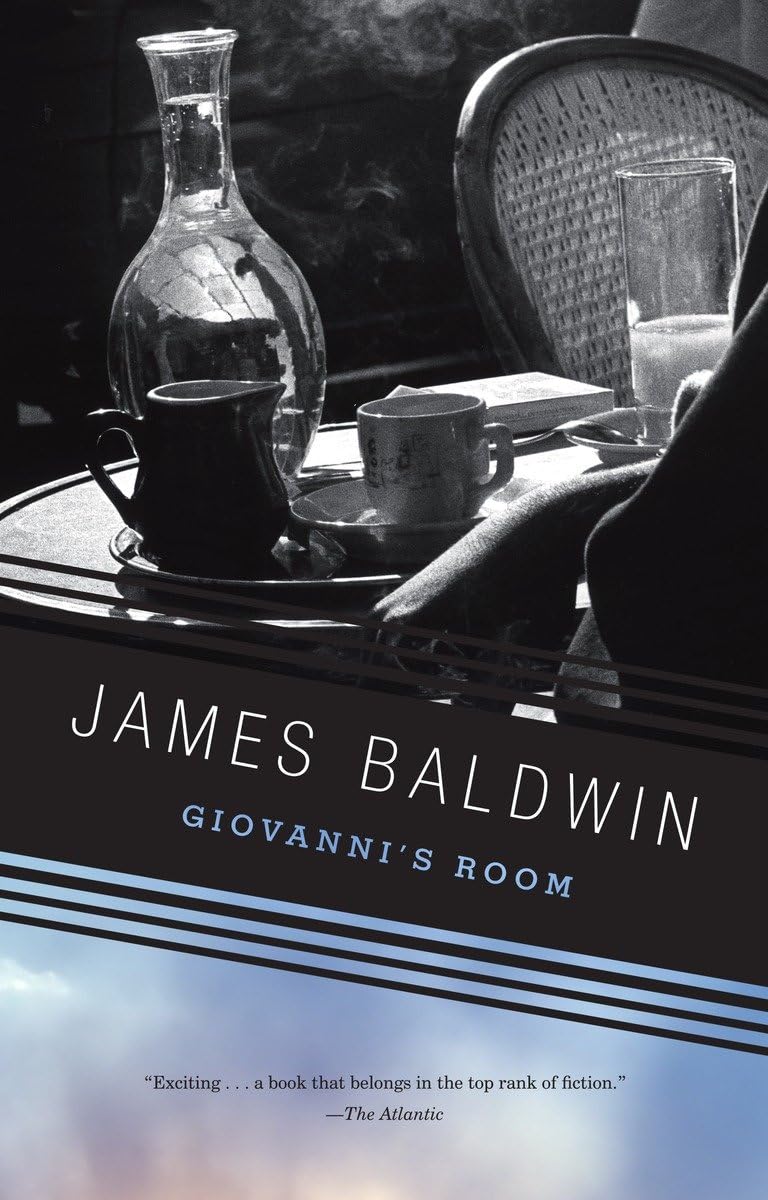
The Unjust Neglect of Giovanni's Room

My primary target today is a book that, despite its 'classic' status, is criminally overlooked by a generation obsessed with the next big thing: James Baldwin's Giovanni's Room. Published in 1956, this isn't just a novel; it's a searing, unflinching examination of identity, sexuality, and self-deception that feels more urgent and relevant today than many titles crowing from the 'new fiction' shelves. Baldwin's prose is a masterclass in psychological precision, dissecting the agonizing choices of David, an American expatriate in Paris, as he navigates his relationship with Giovanni and his own fraught sense of self.
Why You're Missing Out (and Why It's Better Than You Think)
Too many readers dismiss Giovanni's Room as merely a historical artifact or a 'niche' LGBTQ+ novel. This is a profound misreading. Baldwin isn't just writing about gay love in mid-century Paris; he's writing about the universal human struggle with fear, desire, and the performative masks we wear to survive. The suffocating dread, the exquisite agony of David's internal conflict, the way Baldwin paints Paris as both a liberating and entrapping backdrop – it’s all rendered with a raw honesty that puts most contemporary 'deep dives into the human psyche' to shame. While some might argue it's a known classic, I assert that knowing of it is not the same as experiencing its gut-wrenching power, unburdened by academic pretense or the need to categorize it neatly. This is a book that should be thrust into the hands of anyone yearning for true literary depth, not just those seeking a historical footnote.
Beyond the 'Obvious' Classics: Finding Your Next Obsession
But backlists aren't just about literary giants. They're also where you discover incredible, genre-bending works that never quite caught the zeitgeist, or perhaps were ahead of their time. Take, for instance, Kealan Patrick Burke's KIN.

This isn't your garden-variety horror. KIN is a slow-burn, atmospheric descent into terror that taps into primeval fears. It's the kind of book that builds dread meticulously, foregoing cheap jump scares for a pervasive sense of unease that sticks with you long after the final page. While mainstream horror often favors shock value, Burke delivers something far more insidious and resonant. This is a perfect example of a backlist gem that offers a unique voice and a truly memorable experience, proving that a book doesn't need a billboard in Times Square to be essential reading. For more on finding these overlooked treasures, check out our piece on Hidden Gems: Diverse Books Deserving Your Shelf in 2026.
The Counter-Argument: But What About the New Voices?
I can already hear the murmurs: "But aren't we supposed to support new authors? What about the thrill of the new?" To this, I say: Of course! There's always room for innovation. However, a steady diet of only the latest releases is like eating nothing but fast food. You get a quick hit, but you miss out on true nourishment. And let's be frank, many 'new voices' are simply rehashing old ideas with a fresh coat of paint. The backlist offers not just established brilliance, but also forgotten innovators who laid the groundwork for today's trends. It's about seeking out substance over ephemeral buzz. As we've argued before, sometimes you need to Ditch the Hype: Your Next Masterpiece Isn't Trending.
Editor's Verdict
James Baldwin's Giovanni's Room is not just a classic; it's a vital, deeply unsettling exploration of self-discovery and the devastating cost of societal expectation. It demands your attention now more than ever, proving that the most profound insights often come from the quiet corners of the past.
Editor's Rating: 9/10
FAQ
What is considered a backlist book?
A backlist book is any book that is no longer considered a new release by its publisher, typically having been published more than a year ago but still actively in print and available for purchase.
Why are backlist books often overlooked by readers?
Backlist books are often overlooked due to the relentless marketing focus on new releases, algorithmic recommendations that favor trending titles, and a general consumer desire for 'the next big thing,' causing older but equally (or more) valuable books to be forgotten.
Are backlist books generally cheaper to buy?
Not necessarily. While some older editions might be found at discounted prices, many popular or critically acclaimed backlist titles, especially classics or perennial sellers, maintain their standard retail price across various formats.