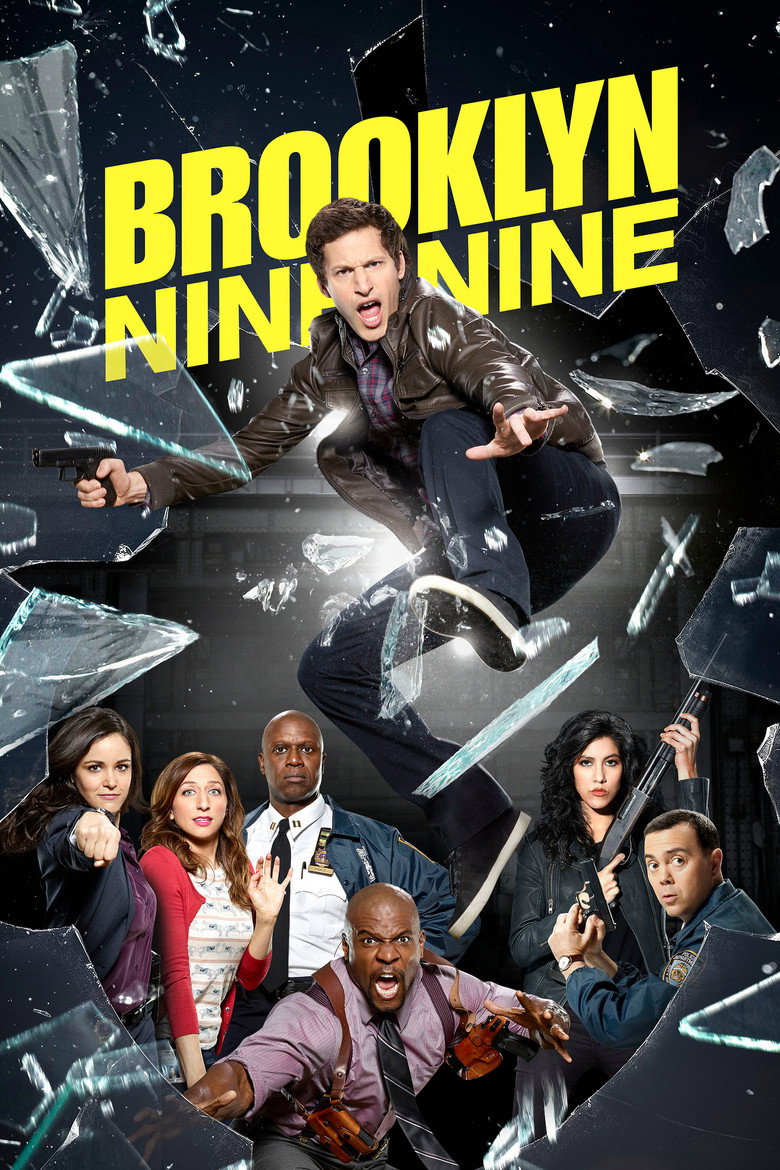
Brooklyn Nine-Nine vs. The Wire: The Soul of Institutional Drama
Forget the 'prestige' label – a sitcom about cops often offers a more profound, and honest, look at navigating broken systems than its acclaimed dramatic counterpart.
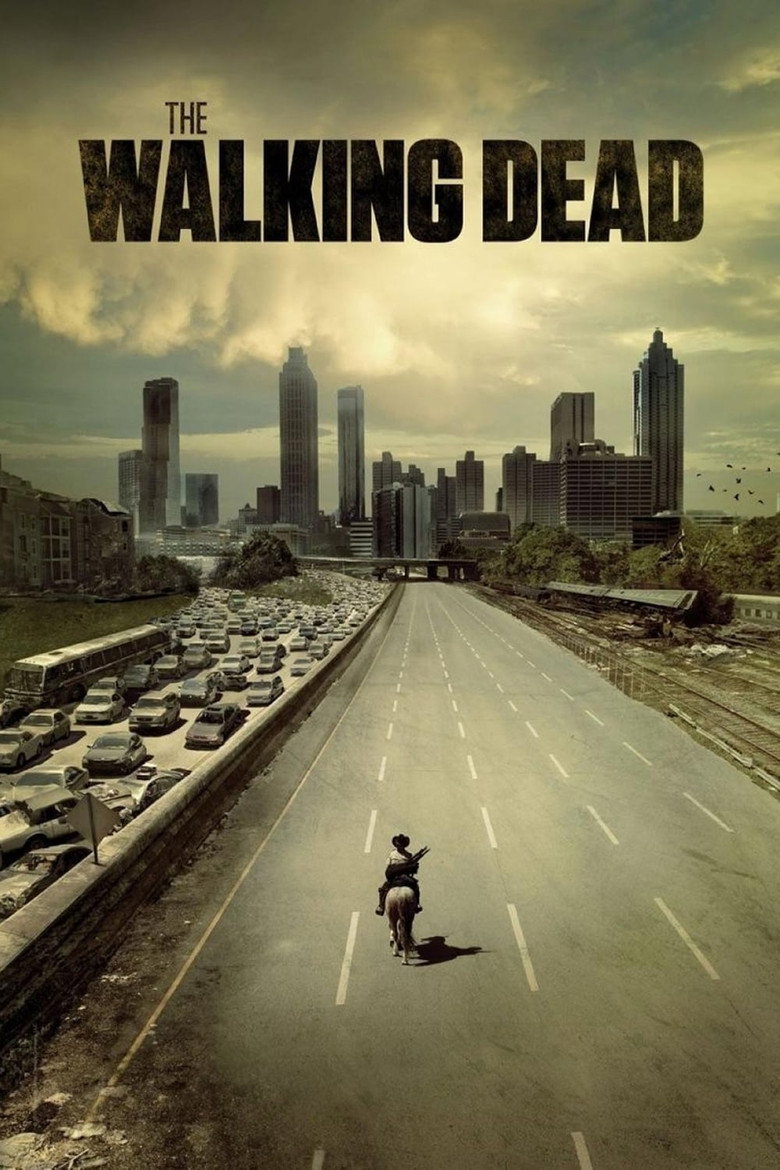
From post-apocalyptic survivors to paper pushers, we dissect how well these shows forge community when life throws a wrench in the works.
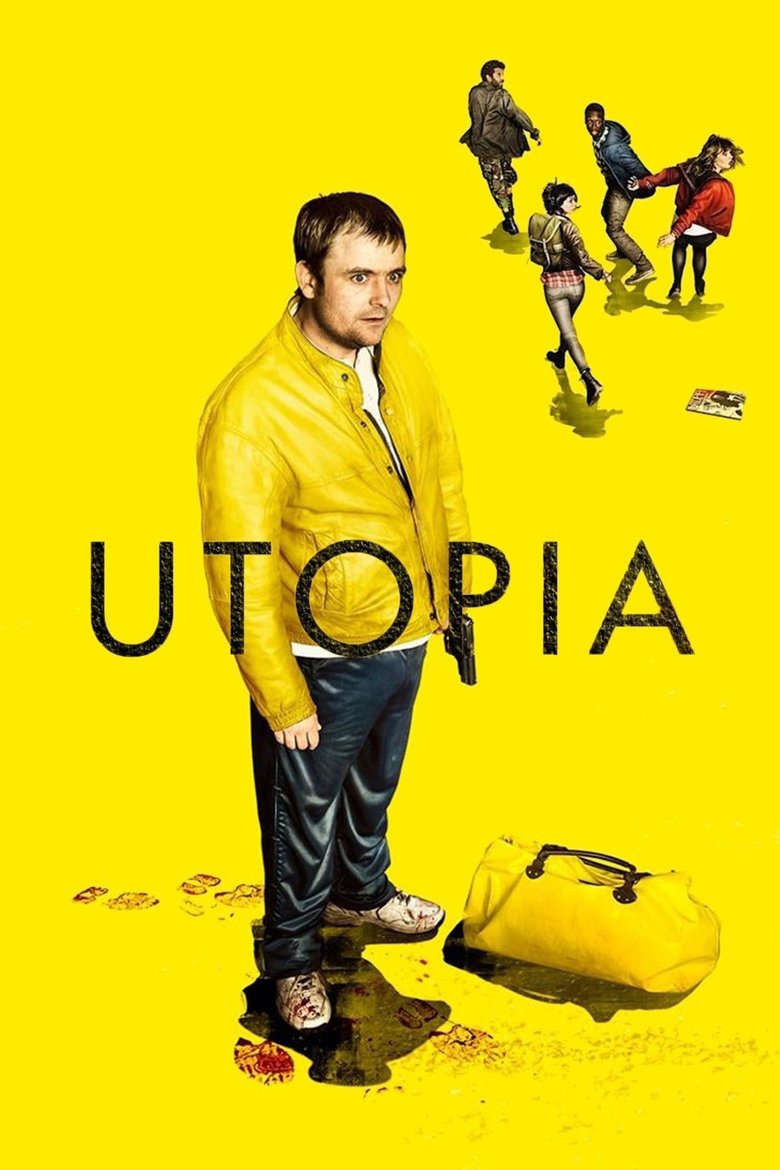
From cosmic bureaucracy to supernatural curses, these five series profoundly challenge what it means to be an individual when reality itself is fluid.
Does a show with a middling critical score automatically mean it’s a failure, or can it be a sign that critics missed the point entirely, especially when grappling with complex themes of place and identity? I argue that the much-maligned White Lines is precisely such a case, a nuanced exploration of
Pure genre is dead; modern television's most acclaimed shows are now elaborate psychological autopsies, mirroring our anxieties back at us.
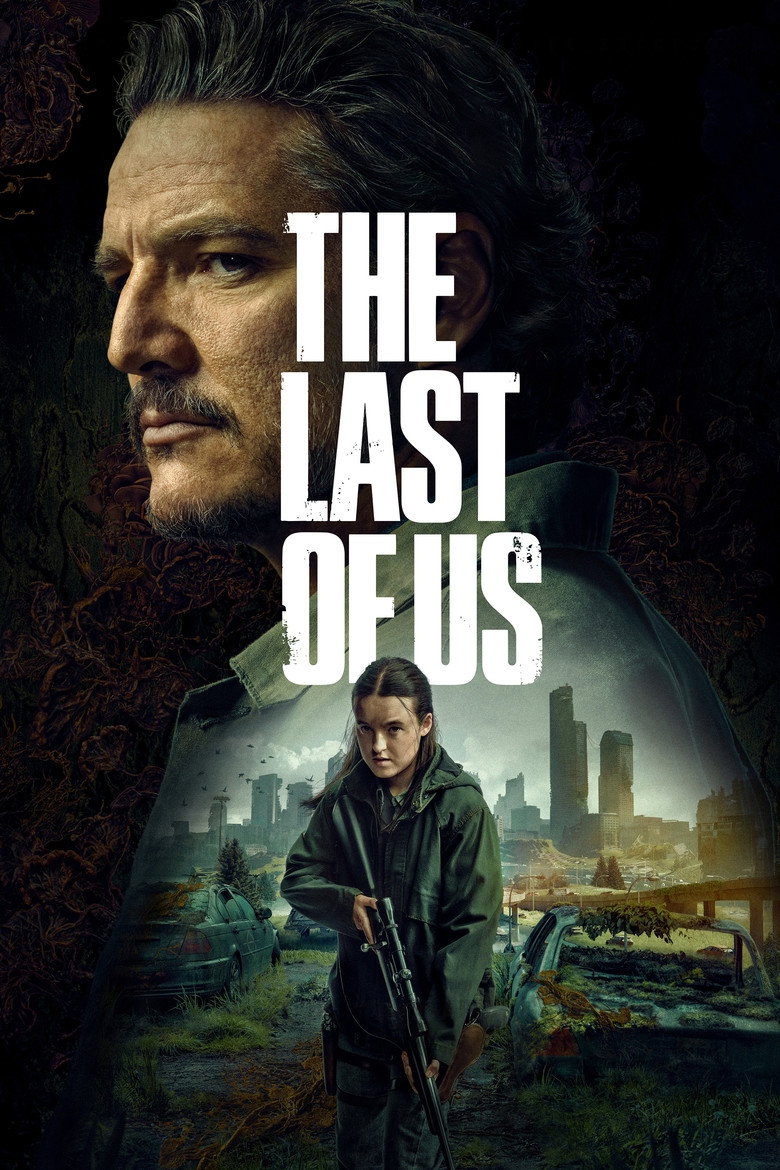
How modern series use collapsed systems to force intimate moral reckonings
Prestige dramas don't test character growth—they map how institutions metabolize empathy into operational efficiency.
How procedural scaffolding, deliberate pacing, and structural discipline actually drive character-driven television
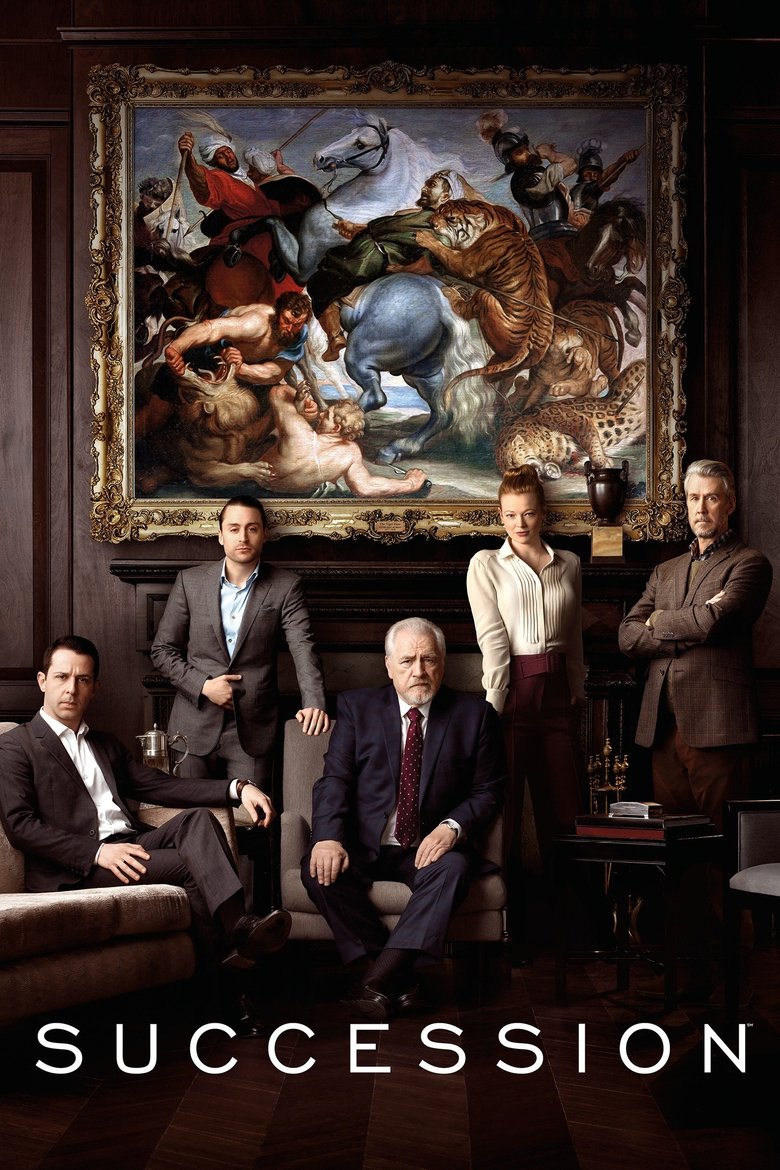
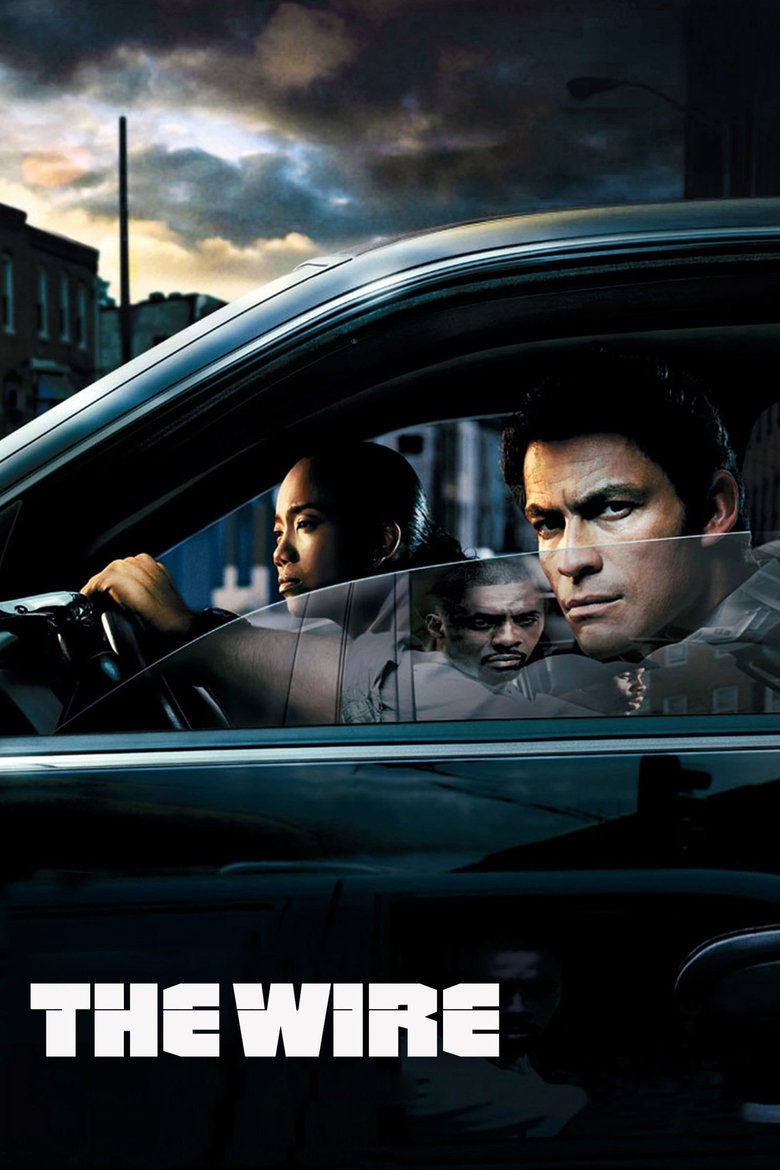
A head-to-head breakdown of prestige television's two greatest autopsies of power, systemic corruption, and moral rot.
A brutal breakdown of how modern series weaponize character dynamics, workplace tension, and genre fusion to dissect human behavior.
A head-to-head breakdown of atmospheric dread, moral erosion, and genre fusion in modern television's most intense thrillers.
Can any modern drama truly capture the suffocating intensity of high-stakes, confined narratives, or are we destined for diluted thrills? The answer lies in the unforgiving focus on human frailty under the most extreme duress.