From Page One: The Debut Authors Shaping Today's Reads
Uncover the first-time novelists whose trending books are captivating readers and forecasting literary greatness in 2026.
February 20, 2026 – There’s a special kind of magic in picking up a debut novel. It’s the thrill of discovery, the raw energy of a fresh voice, and the potential for a literary journey that could span decades. While established authors often dominate the bestseller lists, sometimes a first-time novelist bursts onto the scene with such undeniable talent that their debut instantly redefines genres and captures the collective imagination. Today, we're diving into the trending books to spotlight some of these phenomenal debut authors whose initial works continue to resonate, proving that greatness can indeed emerge from page one.
From groundbreaking fantasy epics to prescient dystopian sagas, these authors didn't just write a book; they sculpted entire worlds and introduced unforgettable characters with their very first published works. Join us as we celebrate the unique brilliance of these literary pioneers and ponder the enduring legacy they've forged.
The Unmistakable Spark of a Debut
What makes a debut novel truly special? Often, it's the unbridled ambition, the fresh perspective, and the sheer audacity to tackle complex themes or craft intricate worlds without the weight of expectation. These authors, in their nascent stages, often pour years of passion and imagination into their first major project, resulting in a purity and intensity that's hard to replicate. When these initial offerings not only succeed but become cultural touchstones, it speaks volumes about the author's inherent talent and vision.
J.K. Rowling: The Sorcerer's Apprentice of Storytelling

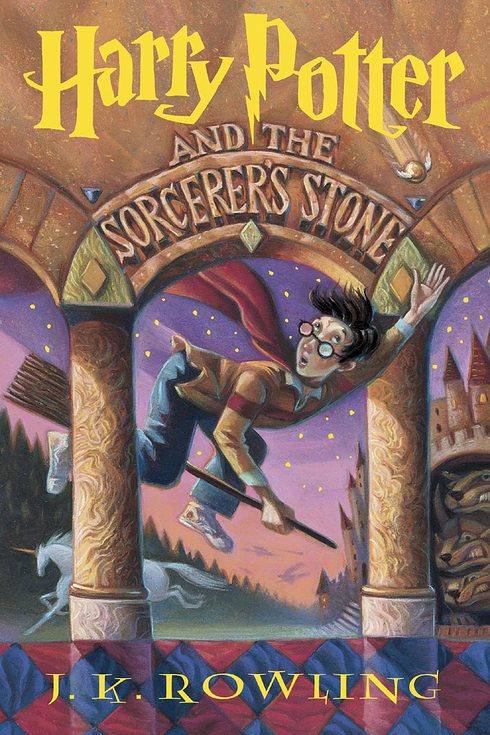
It's hard to imagine a world without Harry Potter, but once upon a time, Harry Potter and the Philosopher's Stone was simply J.K. Rowling's ambitious first novel. Released to modest expectations, this enchanting tale of a young wizard discovering his destiny quickly transcended its initial audience, becoming a global phenomenon. What made Rowling's debut so special was its meticulous world-building – a fully realized magical society hidden just beneath our own – combined with universal themes of friendship, courage, and the eternal battle between good and evil. Her ability to craft memorable characters, from the titular Harry to the wise Dumbledore and the nefarious Voldemort, showcased a narrative talent comparable to fantasy legends like J.R.R. Tolkien, who similarly built sprawling, immersive universes with works like The Hobbit, or There and Back Again, or C.S. Lewis.
Rowling's debut wasn't just a children's book; it was a masterclass in fantasy writing that captivated readers of all ages. The sheer detail, the clever mysteries, and the emotional resonance laid the groundwork for a seven-book saga that would define a generation. Her future, as we now know, involved an unparalleled literary empire, but the seed of that greatness was undeniably present in the very first pages of Harry’s journey to Hogwarts. We predict that even decades from now, new readers will continue to flock to this magical beginning, drawn by its timeless charm and imaginative depth.
Frank Herbert: Architect of Arrakis

Before it became a cinematic spectacle, Dune was Frank Herbert’s groundbreaking debut novel, a monumental achievement in science fiction. Published in 1965, Herbert's first foray into the world of Arrakis introduced readers to a complex narrative rich with ecological themes, political intrigue, religious prophecy, and philosophical depth. What sets Dune apart is its sheer originality and scope. Herbert didn't just create a planet; he crafted an entire ecosystem, culture, and belief system, all intricately woven into a gripping story of power, survival, and destiny. His ability to blend hard science fiction with mythic storytelling was unprecedented, drawing comparisons to the visionary world-building of authors like Isaac Asimov, while its profound commentary on power and society often echoes the dystopian warnings of George Orwell’s 1984.
Dune's special appeal lies in its immersive quality and its enduring relevance. Its themes of environmentalism, resource scarcity, and the dangers of charismatic leadership are perhaps more pertinent today than ever before. Herbert’s debut launched not only a beloved series but also an entire subgenre of eco-conscious science fiction. Looking ahead, Dune's influence shows no signs of waning; its complex characters and prophetic narrative ensure it will remain a cornerstone of speculative fiction, inspiring new generations of writers and filmmakers to explore the vast possibilities of the genre.
Suzanne Collins: The Dystopian Trailblazer
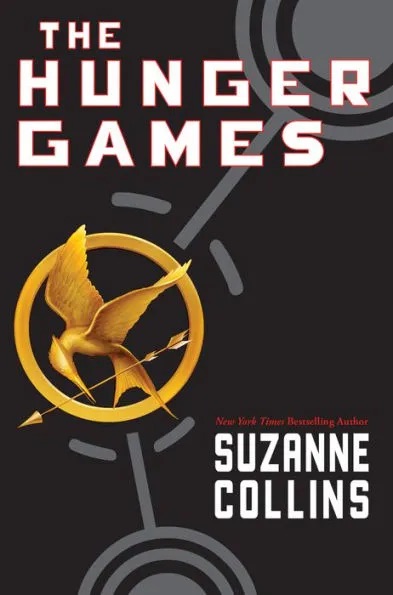
When The Hunger Games hit shelves, Suzanne Collins, a seasoned television writer, made an explosive debut as a novelist. Her first book immediately captivated young adult and adult readers alike with its thrilling, harrowing portrayal of a dystopian future where children fight to the death on live television. Collins' debut was special for its unflinching look at societal control, media manipulation, and the resilience of the human spirit. Katniss Everdeen became an instant icon – a strong, resourceful female protagonist who defied expectations and sparked a revolution. The novel’s fast-paced plot, moral dilemmas, and sharp social commentary struck a powerful chord, making it a standout in a crowded genre. Its exploration of oppressive regimes and the fight for freedom often puts it in conversation with classics like George Orwell's Animal Farm or William Golding's Lord of the Flies.
Collins' ability to craft a compelling narrative with profound underlying messages positioned her as a significant new voice in literature. The Hunger Games not only launched a massively successful trilogy but also redefined the landscape of young adult dystopian fiction, inspiring countless imitators and a blockbuster film franchise. Her future, already marked by continued success, ensures that her powerful storytelling and critical insights will continue to shape the way we view societal issues through the lens of fiction. We anticipate that The Hunger Games will remain a crucial text for understanding the evolution of modern dystopian narratives and the power of a single voice to ignite change.
The Lasting Legacy of First Impressions
These authors—J.K. Rowling, Frank Herbert, and Suzanne Collins—demonstrate that a debut novel is far more than just a first attempt. It can be a declaration of intent, a foundational text, and a powerful predictor of future literary impact. Their ability to craft immersive worlds, compelling characters, and thought-provoking narratives right out of the gate is a testament to their incredible talent and vision.
As we look ahead in 2026, the ongoing popularity of these works on trending lists proves their timeless appeal. They remind us that the next great literary voice could be just one debut novel away. So, keep your eyes peeled and your reading lists ready, because the magic of a first-time author's journey is truly something to behold.