Beyond the Buzz: Why 2026's Fiction Demands Deeper Meaning
From Mandel's 'Exit Party' to the shift in reader tastes, we dissect how anticipated novels are evolving beyond mere thrills and into profound cultural mirrors.
We are living in an era of profound introspection, an age where the collective consciousness, bruised by years of global uncertainty, yearns for more than mere distraction. This pervasive cultural mood isn't just shaping our daily lives; it's fundamentally reshaping the landscape of anticipated fiction. Gone are the days when a twisty plot or a high-concept premise alone guaranteed a book's ascendancy to 'must-read' status. Today, discerning readers are craving narratives that resonate on a deeper, almost existential level—stories that, even in their most speculative or thrilling forms, hold a mirror to our shared anxieties and search for meaning.
Why Are Readers Craving Deeper Narratives in 2026?
As we navigate April 2026, the publishing world is responding to a seismic shift in reader expectations. Here's what's driving the buzz around the year's most essential reads:
- The Rise of Literary Speculation: Fiction that seamlessly blends genre elements with profound philosophical inquiry.
- Emotional Resonance Over Pure Plot: A hunger for character-driven stories that explore the human condition with unflinching honesty.
- Post-Pandemic Reflection: Narratives that grapple with themes of connection, loss, survival, and societal fragility.
- Beyond Escapism: Readers are seeking understanding and catharsis, not just a temporary reprieve from reality.
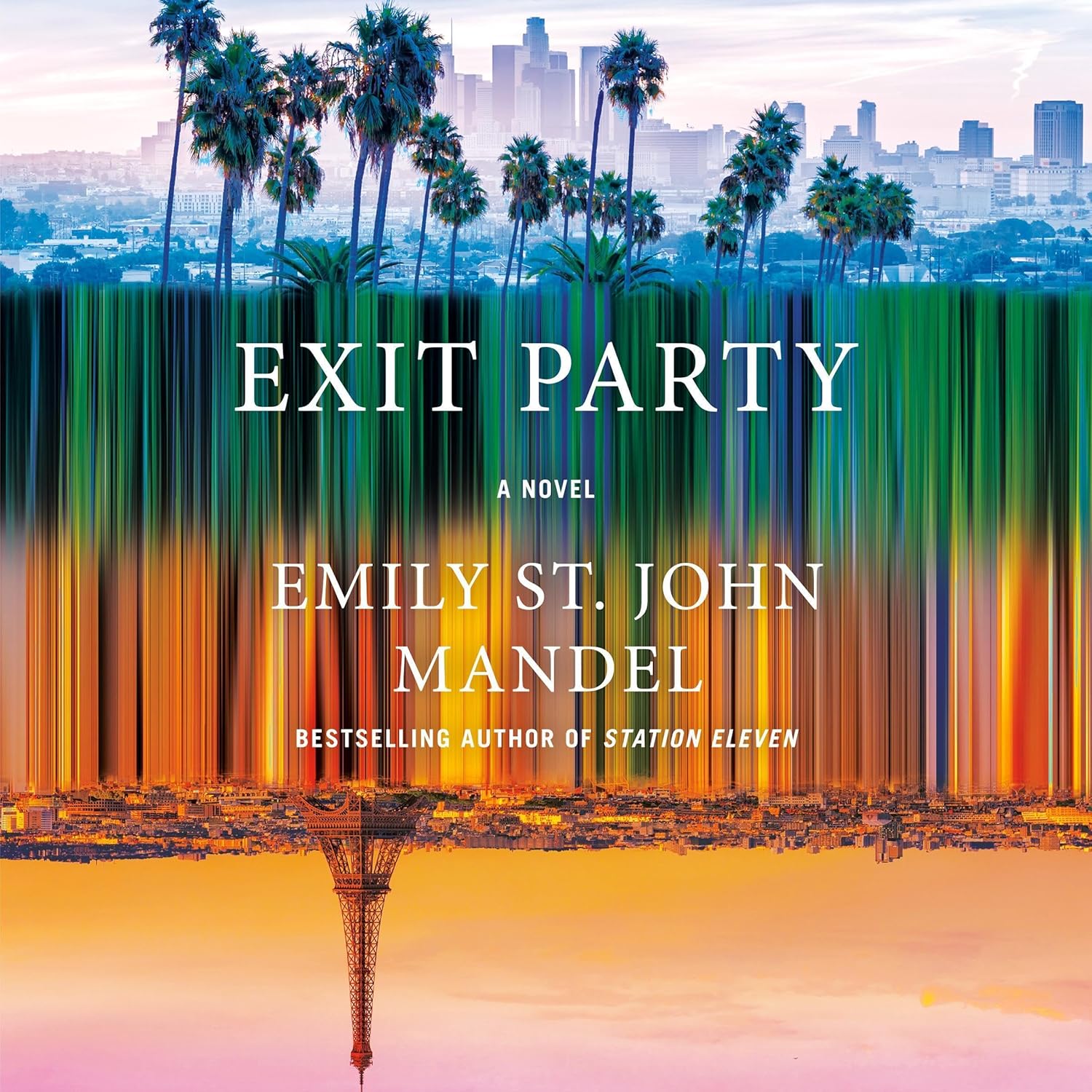
Emily St. John Mandel stands as a titan in this shifting literary terrain, and her upcoming novel, Exit Party, is poised to be a definitive marker of this cultural moment. Mandel, celebrated for her elegant prose and capacity to imbue the fantastical with raw, human emotion, consistently delivers novels that defy easy categorization. Station Eleven wasn't just a post-apocalyptic tale; it was a lyrical meditation on art, memory, and the enduring power of human connection. Sea of Tranquility wove together timelines and existential quandaries with breathtaking grace. Now, with Exit Party, we anticipate a continuation of this masterful blend: a story that promises the intricate plotting of a page-turner but with the soul-searching depth of literary fiction.

The buzz around Exit Party isn't simply about an intriguing premise; it's about the expectation that Mandel will once again tap into the unspoken anxieties of our time, crafting a narrative that feels both urgently relevant and timeless. Her work isn't about giving easy answers; it’s about posing profound questions and exploring the messy, beautiful, terrifying ways humans grapple with them. This is why readers are anticipating it: not for a quick thrill, but for a lingering resonance, a book that stays with you long after the final page is turned.
Contrast this with the phenomenon that was Big Little Lies by Liane Moriarty. When Moriarty’s domestic thriller took the world by storm, its appeal lay in its masterfully constructed plot, the tantalizing secrets simmering beneath the veneer of suburban perfection, and the satisfying unraveling of a central mystery. It was a brilliant, addictive read—a pinnacle of the high-concept, character-driven suspense that dominated the cultural conversation for years. The questions it posed were primarily "whodunit?" or "what really happened?", and its commentary, while sharp, was largely confined to the social dynamics of its immediate world.

While Big Little Lies brilliantly showcased how psychological thrillers could captivate a mass audience (an angle explored in The Art of Deception: Why Psychological Thrillers Reign), the type of anticipation has subtly shifted. Readers, in 2026, are still hungry for suspense, but they demand a different kind of payoff. They want to be thrilled not just by plot machinations, but by the deeper psychological and philosophical implications. The unreliable narrator, once a clever trick, is now expected to be a lens into profound internal conflict, as we discussed in The Unsettling Reign of the Unreliable Narrator. The 'twist' is secondary to the enduring emotional truth. This evolution speaks volumes about our collective psyche: we've moved past merely wanting to escape; we want to understand, to process, to find echoes of our own complex lives in the stories we devour.
What does this say about audiences today? It reveals a readership that is increasingly sophisticated, less tolerant of narrative fluff, and deeply engaged with the weight of current events. We're not just consumers of stories; we're seekers of meaning, even in our leisure. We want fiction that challenges, that comforts, that makes us feel seen in our vulnerability, and that helps us navigate the bewildering complexities of existence. This isn't a demand for 'heavy' books, but for meaningful ones, regardless of genre packaging.
This trend isn't a fleeting fad; it's the new literary frontier. The future of anticipated fiction belongs to authors like Emily St. John Mandel, who possess the rare alchemy of crafting narratives that are both utterly compelling and deeply profound. Expect to see more genre boundaries dissolve, more speculative elements infused with literary weight, and a continued emphasis on stories that resonate with the intricate, often messy, reality of the human experience. The publishing world that ignores this shift does so at its peril; the rest of us will be devouring the rich, complex literary feasts on offer.
FAQ
What defines 'literary speculation' in contemporary fiction?
Literary speculation refers to fiction that incorporates speculative elements (like sci-fi or fantasy) but prioritizes deep character development, thematic complexity, and stylistic prose over pure plot or world-building, often exploring profound human and societal questions.
How do reader expectations for 'anticipated reads' differ in 2026?
In 2026, readers are increasingly seeking novels that offer emotional and intellectual depth, resonance with current societal anxieties, and meaningful explorations of the human condition, rather than solely relying on plot twists or pure escapism.
Is Emily St. John Mandel a good entry point for this type of fiction?
Absolutely. Emily St. John Mandel is an excellent entry point, renowned for her ability to blend compelling narratives with rich, thoughtful prose and deeply resonant themes, making her work accessible yet profoundly impactful.