1984 Isn't Just a Book; It's a Prophecy – And We're Living It
George Orwell's chilling classic predicted our surveillance state, disinformation wars, and cultural amnesia with terrifying accuracy. In 2026, it's more vital than ever.
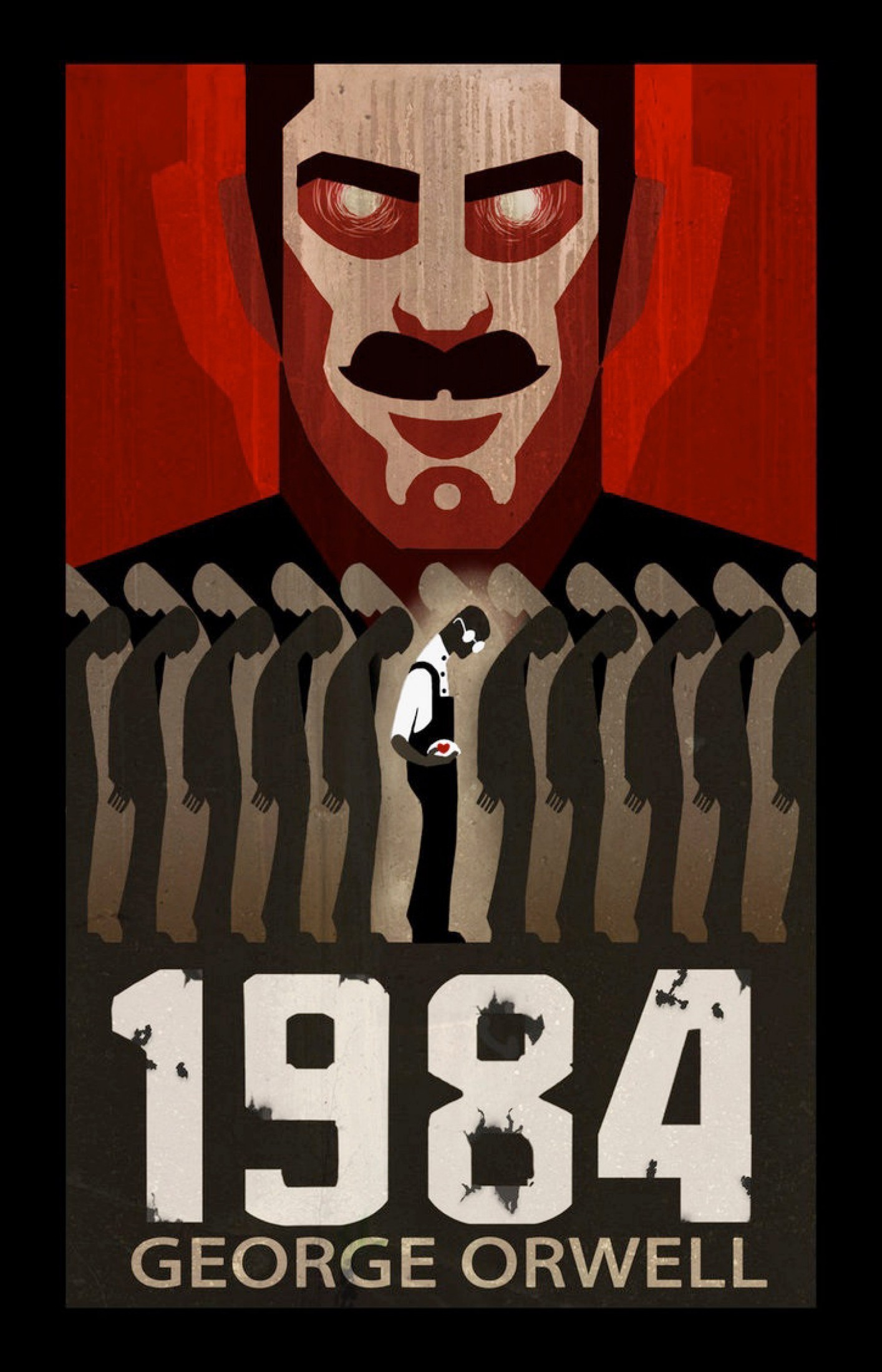
Let’s be brutally honest: most literary discussions about “essential reads” are often steeped in a kind of nostalgic reverence, treating classics as historical artifacts to be admired from a safe distance. But some books don’t just endure; they metastasize into the present, becoming more disturbingly relevant with each passing year. 1984 by George Orwell is not merely a book you should read; it’s a terrifyingly accurate blueprint of potential futures, so unnervingly precise that in April 2026, it feels less like a warning from the past and more like a daily news report. To ignore its lessons now is to practice a dangerous form of historical revisionism on ourselves.

Why 1984 Endures in the Digital Age
Orwell’s seminal dystopian novel isn't a museum piece; it's a living, breathing commentary on power, control, and the human spirit. Its continued resonance isn't accidental, but a testament to its profound understanding of human nature and political manipulation. Here’s why 1984 remains an indispensable read for anyone trying to navigate our increasingly complex world:
- The Genesis of Modern Surveillance Culture: How Orwell’s Big Brother foreshadowed our always-on, always-listening reality.
- The Weaponization of Language: An examination of Newspeak and its alarming parallels to contemporary political discourse and social media censorship.
- The Unmaking of Truth: Winston Smith's work in the Ministry of Truth provides a chilling framework for understanding today's battles over objective reality and historical record.
- The Enduring Power of Dystopian Fiction: What makes 1984 a benchmark against which all other cautionary tales are measured, and why its bleakness is a necessary bitter pill.
The Architecture of Control: Doublethink and Newspeak
What truly sets 1984 apart from other dystopian fictions is not just its bleak vision, but the meticulous, almost academic precision with which Orwell dissects the mechanics of totalitarian control. He understood that to control a population, you must first control their minds, and to control their minds, you must control their language and their perception of reality. This isn’t a battle of armies; it’s a war waged on the very essence of thought.
Take Newspeak, for instance. It’s not merely a simplified vocabulary; it's an ideological straitjacket, designed to make subversive thought literally impossible by removing the words needed to articulate it. "Good" becomes "ungood," "excellent" becomes "doubleplusgood." Nuance is annihilated. Sound familiar? In an era where complex ideas are routinely reduced to soundbites and hashtags, where discourse is flattened into binary
FAQ
What is the central theme of 1984?
The central theme of George Orwell's 1984 is the terrifying dangers of totalitarianism, focusing on government surveillance, control over information and thought, and the suppression of individual freedom and identity.
Why is 1984 considered a classic?
1984 is considered a classic due to its timeless exploration of political oppression, its prescient warnings about the erosion of privacy and truth, and its profound influence on literature, culture, and political discourse. Its concepts like 'Big Brother' and 'Newspeak' have become indelible parts of our lexicon.
How does 1984 relate to modern society?
In 2026, 1984 relates to modern society through its themes of pervasive digital surveillance, the spread of misinformation ('fake news'), the manipulation of language in political discourse, and ongoing debates about privacy, individual liberty, and the nature of objective truth in the digital age.