Unpopular Opinion: 'Project Hail Mary' is Overhyped Sci-Fi
Andy Weir's latest is a clever puzzle, but Lit-Pop argues it's a triumph of engineering over genuine storytelling. Here's why you should read beyond the buzz.

Everywhere you look, from BookTok to literary broadsheets, Andy Weir's Project Hail Mary is being hailed as the zenith of modern sci-fi. Readers are falling over themselves to praise its scientific ingenuity, rapid-fire pacing, and the undeniable charm of Ryland Grace. It's the feel-good hit that combines hard science with an accessible, often comedic, narrative. But let's be real: while diverting, 'masterpiece' is a label it simply hasn't earned. It's the literary equivalent of a perfectly engineered theme park ride—thrilling in the moment, but lacking the profound resonance that lingers long after.

Why the Project Hail Mary Hype Misses the Mark
For those wondering if the effusive praise for Andy Weir's latest is genuinely warranted, here’s what Lit-Pop challenges:
- Character Depth vs. Problem-Solving: Why Ryland Grace, for all his quirks, feels more like a vehicle for exposition than a fully fleshed human.
- Emotional Stakes: How the novel's relentless focus on puzzles dilutes genuine emotional impact and character development.
- Literary Merit Beyond Pacing: Why a 'page-turner' doesn't automatically equate to a profound or enduring piece of literature.
- The 'Buddy Cop' Trope in Space: How the relationship with Rocky, while endearing, leans heavily on archetypes rather than breaking new ground.
The Allure of Ingenuity: Weir's undeniable Strengths
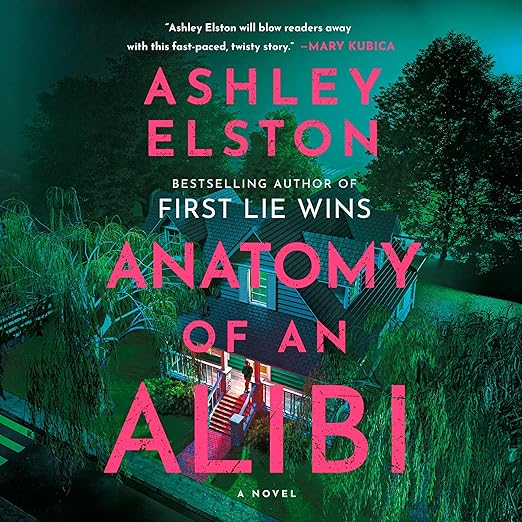
Let’s give credit where credit is due: Andy Weir is a wizard when it comes to crafting intricate, believable scientific dilemmas. The solutions Ryland Grace devises are genuinely clever, often surprising, and a testament to Weir’s meticulous research and imagination. The sheer audacity of the premise—saving humanity with a forgotten amnesiac and an alien—is a hook that few can resist. And yes, the pacing is impeccable. You will tear through this book, desperate to see how Grace tackles the next impossible challenge. It's pure, unadulterated escapism, and there’s absolutely nothing wrong with that. It's certainly a more engaging read than some of the predictable fare we've seen lately (and if you're looking for genuinely innovative thrillers, check out Ditch the Existential Train, Embrace the Alibi).
The Problem: A Plot-Driven Heart of Glass
However, a truly great novel requires more than just a smart plot. Where Project Hail Mary falters is in its character development and emotional resonance. Ryland Grace, with his convenient amnesia, feels less like a person we get to know organically and more like a vessel designed to deliver exposition and solve problems. His internal struggles, while present, often feel secondary to the next scientific hurdle. We're told he's witty and resourceful, but his internal world, his fears, and his deeper motivations rarely move beyond the surface.
Take his relationship with Rocky. It’s charming, yes, and offers moments of levity and genuine collaboration. But even this bond, touted as the emotional core, feels constructed. Their connection is often explained to the reader rather than allowed to develop naturally through nuanced interactions. It's the ultimate buddy-cop movie in space, designed to elicit smiles and mild cheers, but not the gut-punch of profound connection you find in, say, Ursula K. Le Guin or even a more character-driven contemporary like Becky Chambers. It's a testament to good craft, not necessarily brilliant art.
What to Read Instead: The Lingering Power of 'Sisters in Yellow'
If you’re craving a novel that truly challenges and enriches, that sticks with you long after the final page, look beyond the shiny, perfectly polished surface of Weir’s latest. Instead, pick up Mieko Kawakami’s Sisters in Yellow.

This novel, an exquisite exploration of sisterhood, class, and the quiet desperation of modern life in Japan, offers a richness of character and thematic depth that Project Hail Mary simply cannot match. Kawakami's prose is incisive, her characters messy and real, and her exploration of societal pressures and personal ambition is truly arresting. It's a book that demands your attention, rewards your introspection, and leaves you with questions rather than just solved puzzles. Forget the superficial high-five of space opera; immerse yourself in a story that will genuinely move you. For more under-the-radar literary gems, check out Lit-Pop's Hidden Gems: Diverse Books Deserving Your Shelf in 2026.
Editor's Verdict
Editor's Rating: 6/10
Editor's Verdict: While undeniably fun and cleverly plotted, Project Hail Mary sacrifices true character development and emotional depth for a relentless march of scientific problem-solving. It's an engineering marvel, but not a literary one that will stick with you.
Like this take? Give it a like and spread the word. It's time to demand more from our
FAQ
Is Project Hail Mary a hard science fiction novel?
Yes, Andy Weir is known for his dedication to scientific accuracy, and Project Hail Mary incorporates complex scientific principles and engineering challenges throughout its narrative, making it a staple of hard science fiction.
Who is Mieko Kawakami?
Mieko Kawakami is a celebrated Japanese author known for her distinctive literary voice, often exploring themes of womanhood, class, and societal pressures in contemporary Japan. Her works include Breasts and Eggs and Heaven.
What kind of themes does Sisters in Yellow explore?
Sisters in Yellow delves into themes of sisterly bonds, the pursuit of ambition, social class disparities, and the compromises individuals make in their lives, all set against the backdrop of modern Japanese society.