Don't Just Cry: The Book Thief's True Genius Is Misunderstood
Markus Zusak's WWII novel is more than a tear-jerker; its narrative audacity and deep dive into language are often overlooked. Lit-Pop unpacks its enduring power.
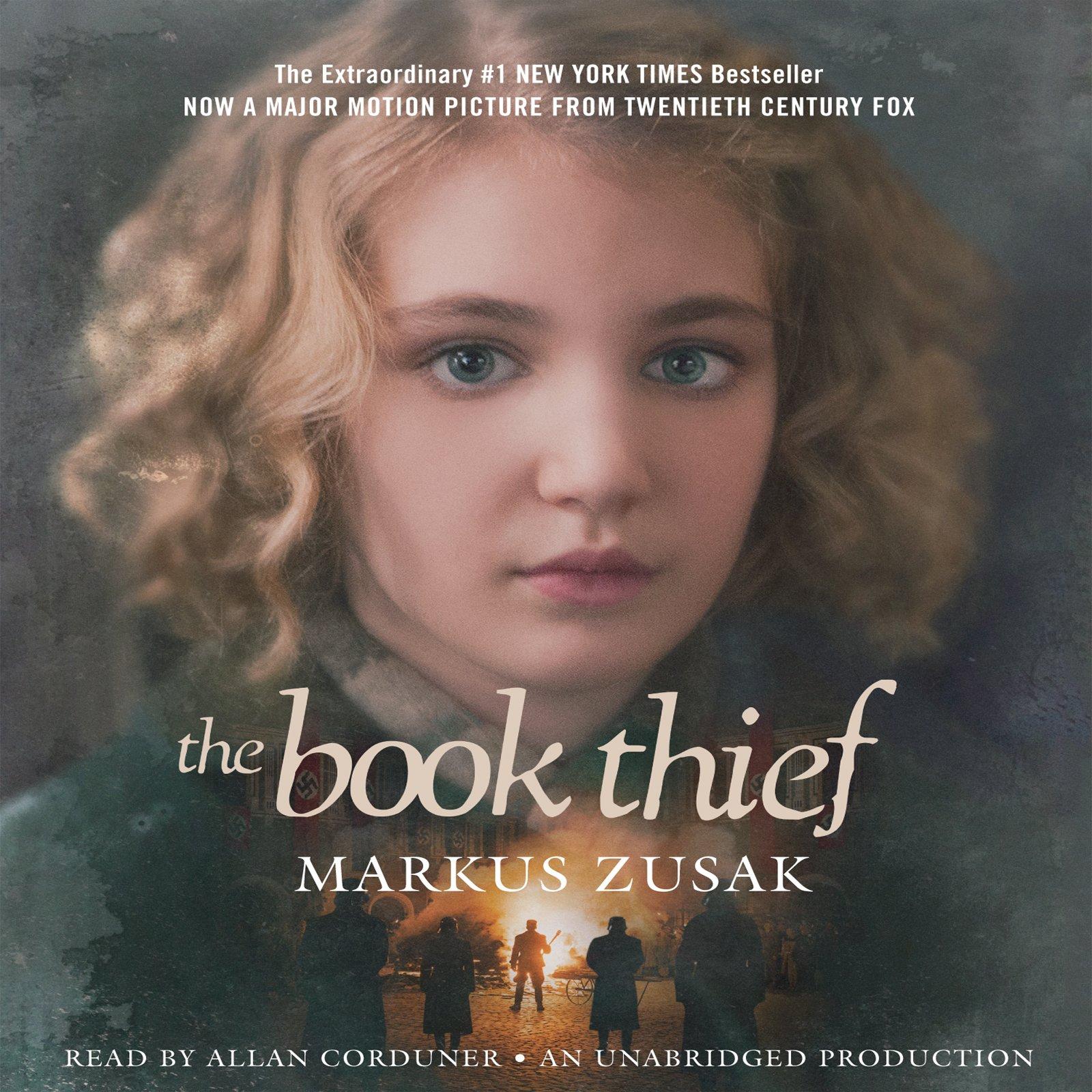
Let's be clear: The Book Thief is a powerhouse. You’d be hard-pressed to find a reader who hasn't been profoundly moved by Markus Zusak’s devastating tale of Liesel Meminger in Nazi Germany. But here’s the hot take you didn't ask for but absolutely need: its widespread acclaim often misses the point entirely. To call it merely a 'sad book' or a 'Holocaust story' is to reduce a work of staggering narrative innovation to its emotional output. Its true genius isn't just in the tears it elicits, but in its audacious structural choices and its incandescent ode to language itself.

Unpacking The Book Thief's Enduring Appeal
For those wondering what truly elevates The Book Thief beyond its reputation, here's what you need to know:
- The Unconventional Narrator: Why Death isn't just a gimmick, but the beating heart of its unique perspective.
- The Power of Words: How Liesel's journey illuminates the profound impact of language, both for destruction and salvation.
- Subverting War Narratives: Moving beyond simplistic victimhood to explore resilience, defiance, and quiet heroism.
- Literary Craftsmanship: Zusak's lyrical prose and use of foreshadowing elevate the story beyond typical YA historical fiction.
The Narrator We Deserve, Not the One We Expect
The most glaringly brilliant, yet often superficially appreciated, aspect of The Book Thief is its narrator: Death. Many dismiss this as a clever, albeit morbid, trick. They're wrong. Death's detached, weary, and occasionally sentimental voice isn't a mere stylistic flourish; it's the very lens through which we process unspeakable horror without being completely crushed by it. He provides a cosmic distance that paradoxically brings us closer to the human struggle. His constant interjections, his spoilers, his observations on humanity's
FAQ
Who is the narrator of The Book Thief?
The Book Thief is famously narrated by Death, who provides a unique, world-weary, and sometimes sympathetic perspective on the events of World War II and the lives of the characters.
What is the main message of The Book Thief?
While it touches on the horrors of war and the Holocaust, a core message of The Book Thief is the profound power of words – to incite hatred and destruction, but also to bring comfort, connection, and hope amidst unimaginable suffering.
Is The Book Thief considered a young adult (YA) novel?
Yes, The Book Thief is widely categorized as a young adult novel due to its protagonist, Liesel Meminger, being a child throughout the story, and its themes of resilience and coming-of-age, although its depth appeals to all ages.