Hamnet's Haunting Echo: Grief, Genius, and The Birth of Tragedy
Forget historical fluff; the cinematic adaptation of Maggie O'Farrell's 'Hamnet' plunges into the profound sorrow that forged a literary legend, revealing the sharp, raw heart of true tragedy.
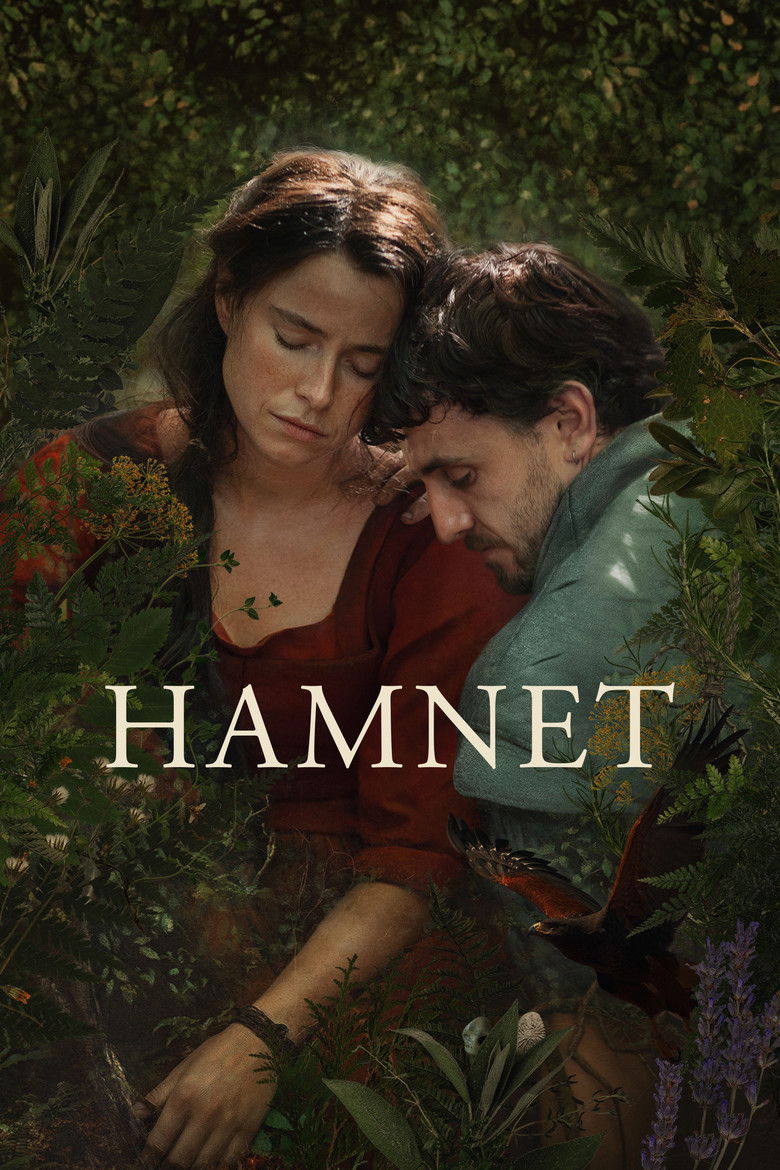
In a cinematic landscape often saturated with saccharine romances or bombastic superhero escapism, few films dare to truly wrestle with the raw, unvarnished nature of profound human tragedy. Many either soften its edges, over-dramatize it to the point of melodrama, or simply skim its surface. This is where the adaptation of Maggie O'Farrell's Hamnet distinguishes itself, not as a historical biopic of William Shakespeare, but as a devastatingly intimate portrayal of a family fractured by an unspeakable loss.
While the impulse to find humor in darkness often defines the best dark comedies – a genre we adore for its sharp wit in the face of absurdity – Hamnet operates on the other side of the spectrum, proving that profound emotional depth, when handled with such exquisite care, can be equally, if not more, compelling. This film understands the symbiotic, often agonizing relationship between personal grief and artistic creation, offering a rare glimpse into the crucible from which some of the greatest tragedies known to humankind were forged.
Beyond Gloom: What Makes a Cinematic Tragedy Compelling?
This deep dive into Hamnet dissects its potent impact, exploring:
- The Power of Private Grief in Public Art: How personal sorrow shapes universal narratives.
- Agnes Hathaway: Reclaiming the Muse: The indelible strength and unconventional spirit of Shakespeare's wife.
- Sensory Storytelling and Emotional Immersion: Crafting an authentic historical world through intimate, tangible details.
- Shakespeare's Shadow: Loss as Creative Fuel: Unpacking the profound connection between tragedy and genius.
The Unbearable Weight of Absence: Grief as the Unseen Character
Hamnet is, at its core, a meticulous study of grief. It doesn't depict loss as a dramatic plot point to be overcome in an hour and a half; it portrays it as a living, breathing character that permeates every scene, every interaction, and reshapes the very air within the Hathaway-Shakespeare household. The film masterfully illustrates how the death of young Hamnet isn't just an event, but a seismic shift that leaves an indelible void, particularly for his mother, Agnes (Anne in some historical accounts), and his father, William. We see the quiet devastation in the disrupted routines: the uneaten meals, the hollow sound of a child's toy dropped, the sudden, unbearable silence in spaces once filled with laughter.
This isn't the operatic wailing of a Greek drama, nor the histrionic theatrics often associated with period pieces. Instead, Hamnet delivers the suffocating agony of a house suddenly too large, too quiet, too full of ghosts. It's in the way Agnes compulsively folds laundry that will never be worn, or how William, exiled in London, finds himself writing lines that echo his personal torment, twisting universal themes of mortality and fate from the bitter ashes of his own son's passing. The film dares to dwell in the uncomfortable, protracted reality of sorrow, refusing to offer easy catharsis, making its emotional impact profoundly more authentic and, frankly, more tragic.
Agnes Hathaway: The Wild Heart of the Playwright's World
One of the film's most powerful triumphs is its unwavering focus on Agnes Hathaway. Historically, she's often relegated to a footnote: the older, illiterate wife of the Bard. Hamnet reclaims her not just as a protagonist, but as the intuitive, intelligent, and profoundly spiritual anchor of William's early life and, arguably, the wellspring of his creative inspiration. Agnes is portrayed as a woman deeply connected to the natural world, possessing an almost mystical understanding of herbs, animals, and human nature. Her
FAQ
Is the movie 'Hamnet' based on a true story?
While the film 'Hamnet' is a fictionalized account, it is inspired by historical facts surrounding William Shakespeare's family, particularly the death of his only son, Hamnet, at age 11. Maggie O'Farrell's novel, on which the film is based, speculates on the impact of this loss.
Who plays Agnes Hathaway in 'Hamnet'?
The film 'Hamnet' features a compelling performance by an acclaimed actress in the role of Agnes Hathaway, William Shakespeare's wife. Their portrayal is central to the film's emotional depth.
What themes does 'Hamnet' explore?
'Hamnet' delves deeply into themes of grief, loss, artistic inspiration, the societal role of women in Elizabethan England, and the profound, often hidden, sacrifices made for genius.