Nacho Libre: The Unholy Grail of Pure Cinematic Joy
Forget your cynical blockbusters; Jack Black's cult classic isn't just a feel-good film—it's a masterclass in absurdist humor and genuine heart, proving sometimes, pure silliness is profound.
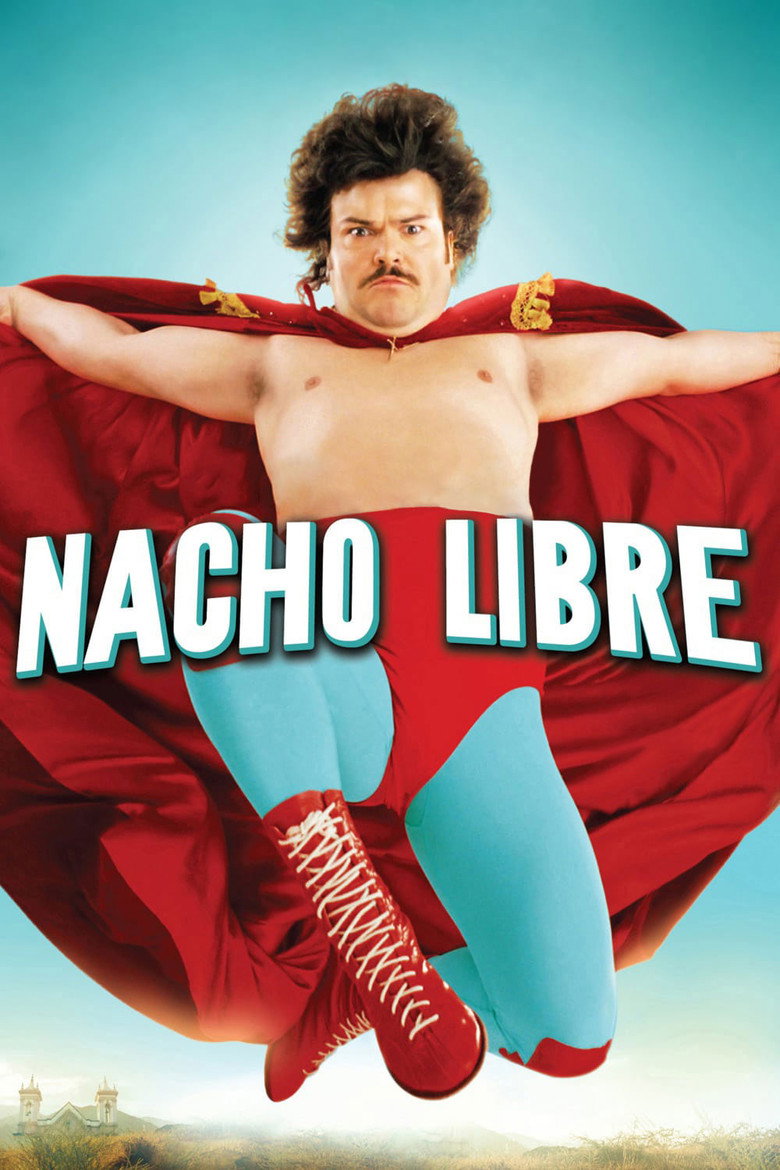
In an era saturated with grim reboots, gritty dramas, and cinematic universes that demand emotional homework, the very phrase “feel-good movie” often gets relegated to a cinematic junk drawer, synonymous with saccharine sentimentality or bland escapism. Critics often scoff, audiences sometimes sheepishly admit. But what if a film could be genuinely, gloriously feel-good without sacrificing an ounce of artistic integrity, comedic brilliance, or deeply specific charm? What if it could be a chaotic, vibrant, and utterly unique celebration of spirit that defies easy categorization? Enter 2006's Nacho Libre, a film that, eighteen years after its release, remains not just a comfort watch, but a sublime, often-misunderstood masterpiece of uplifting cinema.
Searching for Serenity: Why Nacho Libre Still Shines
For those seeking cinematic solace that genuinely uplifts and leaves a lasting smile, Nacho Libre stands as an unlikely but essential beacon. This film isn't just a quirky comedy; it's a meticulously crafted experience designed to bypass cynicism and go straight for the jugular of pure, unadulterated joy. Here's what makes it an unparalleled feel-good triumph:
- Jack Black's Comedic Genius: An examination of his singular, committed performance that elevates physical comedy to an art form.
- The Heart of Absurdist Storytelling: How the film's bizarre premise delivers genuine emotional resonance without resorting to cheap sentiment.
- Vibrant Visuals & Cultural Homage: A deep dive into its aesthetic choices and respectful (if comedic) portrayal of Mexican Lucha Libre.
- A Timeless Antidote to Cynicism: Why its unique blend of humor and earnestness makes it the perfect cinematic escape in any era.
Jack Black's Unhinged Brilliance: A Performance for the Ages
Let's be unequivocally clear: Nacho Libre would be a vastly different, and arguably lesser, film without Jack Black. His performance as Ignacio, the monastic cook with a secret wrestling dream, isn't just good; it's a tour de force of physical comedy, vocal eccentricity, and deeply committed character work that demands re-evaluation. Black doesn't just play Ignacio; he becomes him, inhabiting the character's every awkward stumble, every hopeful gaze, every guttural roar with an intensity that borders on method acting for silliness. Think of the scene where he's explaining his wrestling philosophy to Esqueleto, culminating in the iconic "Eagles are our lords!" pronouncement, delivered with a conviction that would make a Shakespearean actor blush. Or his utterly bizarre, yet utterly hilarious, attempts at seduction towards Sister Encarnación, from the tiny corn he offers to the serenading of "Encarnación, I think you're the best." These aren't just one-off gags; they're moments born from a complete immersion in Ignacio's earnest, often misguided, but always pure-hearted worldview.
Black's unique brand of comedic vulnerability is on full display here. He isn't afraid to look ridiculous—in fact, he embraces it wholeheartedly. The way he struggles with his ill-fitting wrestling attire, the bizarre grunts and shouts he unleashes in the ring, the earnest desperation in his eyes as he tries to earn money for the orphans—it all coalesces into a character who is profoundly human despite the outlandish circumstances. This isn't broad, generic comedy; it's specific, nuanced, and utterly reliant on Black's singular talent for finding the pathos within the preposterous. It's a performance that makes you laugh out loud, often against your will, and then, immediately afterward, makes you genuinely root for this improbable hero. Much like the best work in the realm of feel-good films: essential comfort, not just fluff, Black's performance provides a bedrock of joy that makes the entire cinematic experience profoundly rewarding.
The Heart of the Absurd: Finding Purpose in the Peculiar
Beneath the surface of outlandish gags and bizarre wrestling moves, Nacho Libre possesses a surprisingly tender heart, exploring themes of identity, purpose, and unconventional heroism. Ignacio isn't just wrestling for fame or glory; he's wrestling to save the orphans he cares for, a noble, selfless goal that grounds the entire absurd premise. His struggle isn't about escaping his faith but finding a way to reconcile his earthly desires with his spiritual calling. This internal conflict, played for laughs but never mocked, gives the film an emotional core that resonates deeply. We witness Ignacio's internal turmoil when he's forced to choose between his wrestling persona and his monastic duties, a conflict that culminates in his heartfelt plea to God before his final match. It’s a moment of surprising sincerity in a film built on the utterly ridiculous, a testament to its nuanced script by Jared Hess, Jerusha Hess, and Mike White.
The film masterfully navigates the tightrope between irreverence and genuine affection for its characters and setting. The orphans are not props; they are the motivation. Sister Encarnación is not merely a love interest; she represents the pure, spiritual ideal that Ignacio aspires to, even as he dons a mask and tights. Even the villain, Ramses, is more a symbol of the unattainable dream than a true antagonist, never truly posing a malevolent threat. The humor arises not from cynicism, but from the earnestness of Ignacio's pursuit and the clash of his two worlds. This approach ensures that the audience's investment is always in the positive outcome, in Ignacio finding his peace and helping those he loves. It’s a refreshingly optimistic narrative that proves you don't need dark undertones or tragic backstories to tell a story with depth and meaning. It's a prime example of why films that embrace their unique voice, even if it's strange, often achieve lasting appeal and rewatchability.
A Visual Feast & Cultural Flair: Embracing Mexican Charm
One cannot discuss Nacho Libre without acknowledging its vibrant visual style and its loving, albeit comedic, embrace of Mexican culture. Directed by Jared Hess, known for his distinctive aesthetic in Napoleon Dynamite, the film is a veritable kaleidoscope of color and texture. From the sun-drenched, dusty landscapes of Oaxaca to the faded grandeur of the monastery, every frame feels meticulously composed, almost like a series of quirky postcards. The cinematography is deliberately static at times, allowing the absurdity of the characters and their actions to play out within the frame, enhancing the comedic effect. The Lucha Libre sequences themselves are a visual delight, with their flamboyant masks, capes, and acrobatic antics, all presented with an affectionate eye that celebrates the sport's theatricality.
The film's production design and costume work are equally brilliant, creating a lived-in world that feels both authentic and hyperbolically stylized. Ignacio’s mismatched wrestling gear, Esqueleto’s gaunt, unsettling mask, and the general vibrant chaos of the wrestling arena all contribute to the film’s unique atmosphere. It’s a world where a man can genuinely believe he's fighting for the good of orphans while simultaneously believing in the mystical power of eagle eggs. This commitment to its own peculiar reality is what elevates Nacho Libre beyond simple farce. It doesn't just make jokes about Mexican culture; it integrates elements of it into its comedic fabric with respect and a clear sense of affection. The result is a film that feels both broadly appealing in its humor and specific in its cultural flavor, creating a truly immersive and cheerfully disorienting experience that has earned its place among the Lit-Pop's Enduring Classics Scorecard.
The Timeless Antidote to Cynicism
In a world that often feels relentlessly grim, the genuine, unpretentious joy of Nacho Libre is not just welcome, it's vital. This isn't a film that aims for ironic distance or cynical deconstruction. It’s a film that asks you to surrender to its peculiar rhythm, to embrace its oddball characters, and to find humor and heart in the most unexpected places. It champions the underdog, celebrates the eccentric, and ultimately delivers a message of hope and self-acceptance that never feels forced or saccharine.
Its enduring appeal lies in its refusal to conform to typical comedic tropes or dramatic arcs. It exists in its own delightful universe, where a monk-turned-luchador can inspire both laughter and genuine warmth. There are no sad undertones, no dark twists; just a singular vision of a man trying his best, failing spectacularly, and finding redemption through the sheer force of his earnest, if bizarre, will. It's a reminder that sometimes, the greatest cinematic triumph isn't a groundbreaking narrative or a profound philosophical statement, but simply the ability to make an audience feel genuinely, unequivocally good.
Editor's Verdict
Forget the critics who missed its brilliance. Nacho Libre is a masterclass in committed, absurdist comedy and pure, unadulterated joy. It's an indispensable addition to any comfort watch list, consistently delivering laughs and an infectious warmth that never fades.
FAQ
What makes Nacho Libre a genuinely 'feel-good' movie?
Nacho Libre achieves its feel-good status through Jack Black's earnest and hilarious performance, an uplifting underdog story focused on helping orphans, and a vibrant, non-cynical comedic style that consistently delivers pure joy without any dark or sad undertones.
Is Nacho Libre suitable for all ages?
Nacho Libre is rated PG and generally considered suitable for most ages. Its humor is mostly physical and slapstick, with a wholesome underlying message, making it a family-friendly option for a lighthearted cinematic experience.
Who directed Nacho Libre and what other films are they known for?
Nacho Libre was directed by Jared Hess, who is best known for his distinctive comedic style seen in films like 'Napoleon Dynamite' and 'Gentlemen Broncos'. His visual aesthetic and unique character portrayals are hallmarks of his work.