The Nostalgia Trap: Why 'Prada 2' Trailer Signals Cinema's Reckoning
From Miranda Priestly's return to mummy reboots, 2026's most buzzed trailers reveal an industry desperate for the comfort of the familiar.
The cinematic landscape of 2026 feels less like a frontier of bold new ideas and more like a carefully curated museum of familiar comforts. Hollywood, ever the savvy but cautious curator, has figured out that audiences, battered by the unending cascade of real-world anxieties, are craving the cinematic equivalent of a warm blanket and a re-read of their favorite book. The latest crop of trailers isn't teasing stories so much as they're marketing emotional callbacks and banking on instant recognition. This isn't just about the insidious creep of IP; it’s about an industry hedging its bets against an audience increasingly wary of anything truly new.
Unpacking 2026's Hottest Trailers: What Audiences Are Really After
- The enduring power of legacy sequels and their immediate audience draw
- The art of the "comfort watch" trailer: selling familiarity over novelty
- Hollywood's pivot from originality to risk-averse IP mining
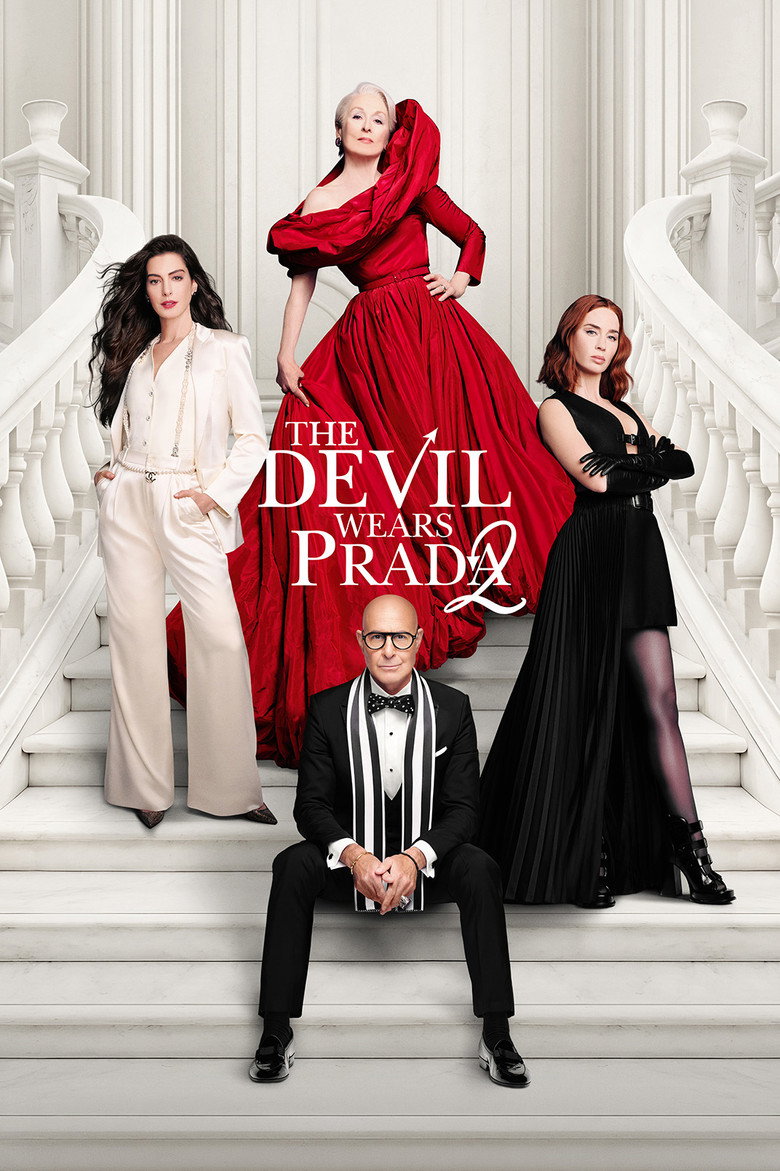
- What the new The Devil Wears Prada 2 trailer really reveals about our desires
- The distinct, grittier approach of horror reboots like Lee Cronin's The Mummy
The Devil Wears Prada 2: A Couture Comeback or Creative Bankruptcy?
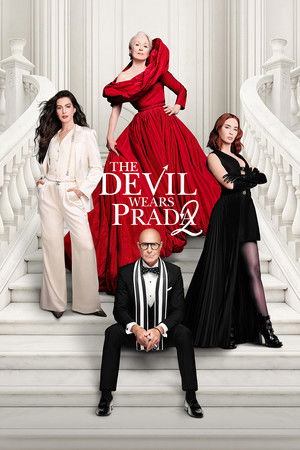
The buzz around the trailer for The Devil Wears Prada 2 isn't surprising. It’s a perfectly calibrated hit of pure, unadulterated nostalgia. The mere glimpse of Anne Hathaway's earnest, slightly overwhelmed expression, Meryl Streep's glacial stare, and the unmistakable swish of high fashion is enough to send a million Millennials into a nostalgic frenzy. The trailer, from what we've seen, delivers exactly what you'd expect: witty repartee, opulent settings, and the promise that Miranda Priestly is still, bless her cotton socks, running the show with an iron fist wrapped in designer silk. It’s a comfort watch before the movie even drops, a cinematic security blanket that whispers, "Everything you loved is still here, and nothing truly challenging will disturb your carefully constructed cinematic peace." It’s not about pushing boundaries; it’s about providing a warm, familiar embrace, proving that sometimes, audiences just want to go home again, even if home is a fictional fashion magazine in New York.
The Mummy's Return: Reanimating IP with a Fresh Scar
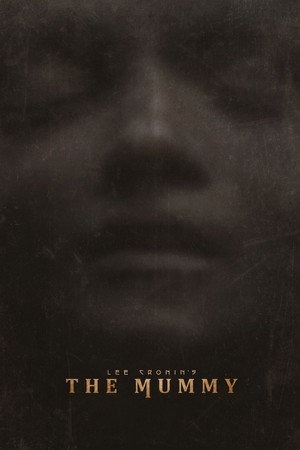
Contrast this with the recent trailer for Lee Cronin's The Mummy. While also an exercise in IP, it's a very different beast. This isn't a direct continuation; it's a re-imagining, a grimier, more visceral take on a classic monster. The trailer suggests a return to genuine horror, far removed from the swashbuckling adventure of the Brendan Fraser era or the misguided spectacle of Tom Cruise's attempt. Cronin, known for his work on Evil Dead Rise (not currently trending, but a relevant cultural reference for his style), seems intent on injecting genuine dread back into the ancient curse. This trailer doesn't offer comfort; it offers a new kind of terror, banking on the enduring power of a monster legend rather than character familiarity. It's a calculated gamble to reinvigorate dead IP by leaning into genre purity, a stark counterpoint to the soft-focus nostalgia of Prada 2. For more on how directors are tackling existing IP, check out our piece on Biopic Brilliance vs. Monster Mayhem: Fuqua's 'Michael' vs. Cronin's 'The Mummy'.
The Fading Echo of Originality
What these trailers truly signify is Hollywood's almost pathological fear of risk. Why invest in a truly original concept, something like the darkly comedic "Send Help" or the tense thriller "Vengeance" (both also seeing some buzz but struggling against the IP tsunami), when you can re-skin an old favorite and guarantee a built-in audience? The marketing might highlight new visuals or a "fresh take," but the underlying strategy is pure recognition. The industry has become a giant recycling plant, where every scrap of existing intellectual property is meticulously sorted, polished, and repackaged. While animated films sometimes offer a glimmer of hope with original storytelling, even that category is increasingly sequel-heavy. If you're looking for true innovation, sometimes you have to dig past the blockbusters, as we discussed in Animation's Soul: Why Originals Outshine Tired Sequels in 2026.
Editor's Verdict
Editor Rating: 6
The trailer for [The Devil Wears Prada 2] is a perfectly tailored nostalgia hit, promising more of what fans loved, but leaves one wondering if Hollywood has any fresh designs left. It delivers exactly what it promises, for better or worse, by playing it safe.
The Future of the Trailer Economy
So, where does this leave us? We’re in an era where trailers are less about enticing you with a story and more about reminding you of a feeling. The prediction? This trend isn't slowing down. Audiences, or at least the segment Hollywood is most aggressively courting, will continue to flock to these comfort watches. The real challenge for cinema isn't just making good movies, but making original good movies that can pierce the impenetrable shield of IP and nostalgia. It will take a bold studio, or perhaps an indie darling, to truly break the mold and prove that the new can still be as exciting, if not more so, than the familiar. Until then, grab your popcorn, because it looks like we’ll be reliving our favorite cinematic memories for the foreseeable future. Like this article if you're ready for more sharp takes on cinema's wild ride!
FAQ
What defines a 'legacy sequel' in modern cinema?
A legacy sequel brings back beloved characters and storylines from a popular film decades later, often serving as a direct continuation that appeals to existing fans while potentially introducing the story to a new generation.
Is Hollywood making more sequels than original movies today?
Data suggests a growing trend towards sequels, reboots, and adaptations of existing intellectual property (IP). Studios prioritize recognizable brands to mitigate financial risk in an increasingly competitive and fragmented entertainment market.
Will audiences eventually tire of movie nostalgia and demand more originality?
While nostalgia offers comfort and a dependable draw, sustained reliance on it without fresh storytelling elements risks audience fatigue. The market is increasingly segmented, with some viewers craving genuine novelty while others remain content with familiar narratives and characters.