Why 'Mandalorian & Grogu' is 2026's Sci-Fi Buzzkill
In a crowded galaxy of promising new worlds and bold genre re-imaginings, Disney's latest Star Wars movie signals creative exhaustion, not genuine excitement.
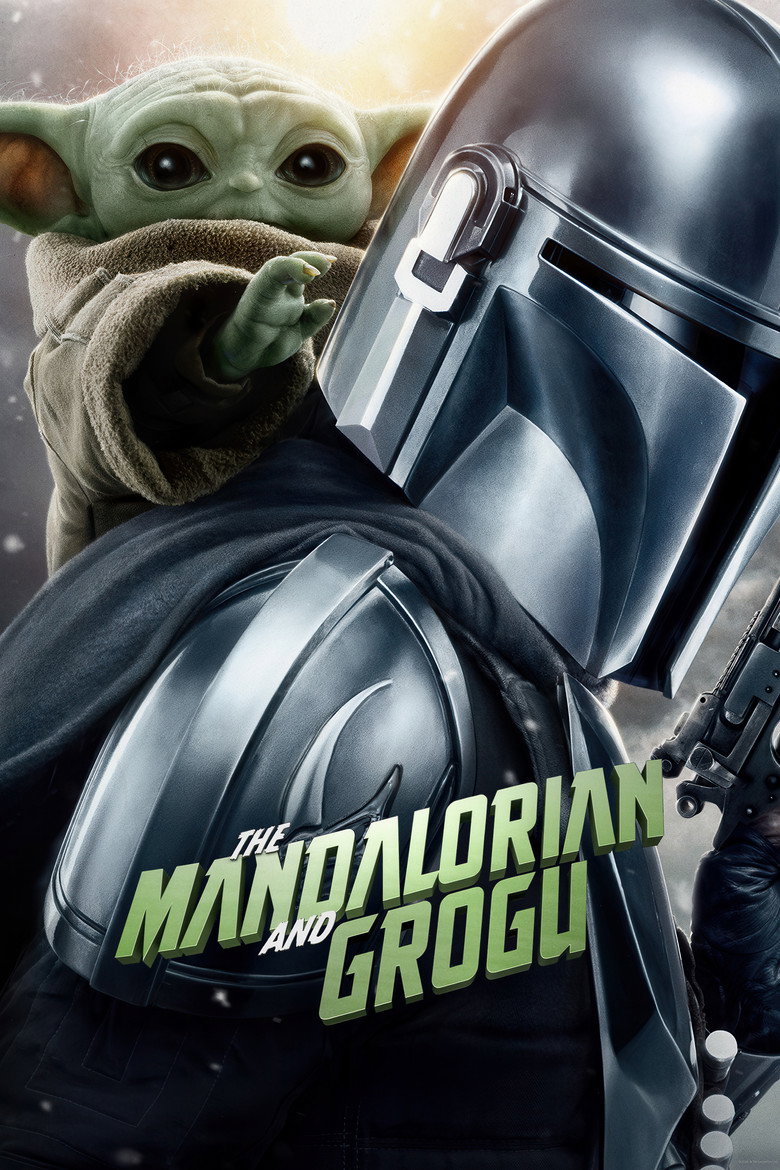
Let's cut to the chase: The idea that Star Wars: The Mandalorian and Grogu is among the most anticipated sci-fi/fantasy films of 2026 isn't just misguided; it's a symptom of cinematic Stockholm Syndrome. We, the audience, have been so conditioned to accept the endless recycling of existing intellectual property that we mistake obligation for genuine excitement. This film isn't the bold leap the genre needs; it's a creatively bankrupt retreat into familiar comfort, precisely when we should be demanding innovation.
Beyond the Echo Chamber: What's Truly Trending in Sci-Fi Anticipation
Forget the algorithmic hype cycles. True anticipation for sci-fi and fantasy films in 2026 should focus on vision, not just brand recognition. Here’s what we’re dissecting:
- The inherent pitfalls of franchise extensions that dilute their source material.
- Why films like Predator: Badlands represent a more compelling, fresh approach to established lore.
- The quiet, yet profound, promise of original concepts like Starbright.
- The broader argument for cinematic originality and genuine artistic intent over IP capitalization.
The Mandoverse's Cinematic Misstep
Yes, The Mandalorian series was a phenomenon. It resurrected a flagging franchise with genuine heart, stunning visuals, and a compelling, Western-inspired narrative. But turning it into a theatrical film? That's where the wheels come off. This isn't an organic expansion; it's a cynical, boardroom-mandated attempt to squeeze more juice from a beloved property. We've seen this play out with countless superhero sagas, leading directly to the kind of superhero fatigue that has audiences groaning at every new announcement. The Mandalorian and Grogu feels less like a necessary story and more like a desperate attempt to prop up Disney+'s subscriber numbers with a big-screen event that likely won't justify its existence beyond fan service.
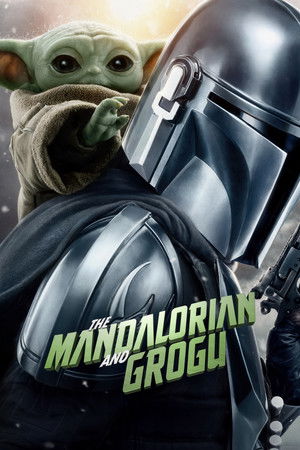
Many will argue, "But it's Star Wars! More Mando and Grogu is always good!" I beg to differ. Unbridled fan service, unmoored from artistic justification, rarely yields masterpieces. The television format allowed for nuanced storytelling, character beats, and world-building that a two-hour theatrical release will struggle to replicate without feeling rushed or, worse, redundant. The series thrived on its episodic adventures; a film risks flattening that magic into a generic blockbuster mold. True fans should crave stories that push boundaries, not ones that simply re-tread familiar territory for maximum box office.
Where Real Sci-Fi Excitement Lives
While the Star Wars behemoth lumbers on, the real pulse of sci-fi and fantasy beats elsewhere, in projects that either boldly re-imagine or fearlessly innovate. Take Predator: Badlands, for instance. The return of Dan Trachtenberg, hot off the critical and commercial success of Prey, signals a director with a clear, visceral vision for the franchise. This isn't just another hunt; it's a chance to see a director who understands how to revitalize an aging beast with intelligent storytelling and relentless tension. Badlands has the potential to be a lean, mean, terrifying machine, proving that sometimes, less IP baggage and more creative freedom yields superior results.
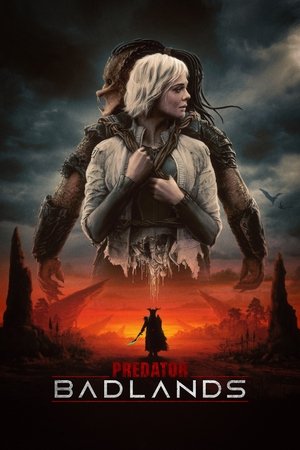
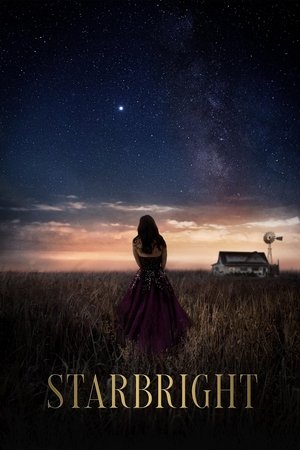
Then there's the quiet anticipation surrounding Starbright. While details are scarce, the very idea of an original, visually stunning fantasy narrative is a breath of fresh air. This is the kind of film that can transport audiences to truly new worlds, offering unique perspectives and emotional depth that the endless churn of sequels and spin-offs simply cannot. It represents the spirit of genuine discovery, untethered by decades of lore or existing expectations. These are the films that deserve our fervent anticipation.
Editor's Verdict
While the industry pushes the narrative of endless franchise expansion, the evidence suggests diminishing returns. Star Wars: The Mandalorian and Grogu is a prime example of a concept better left to its original medium. It's safe, predictable, and ultimately, creatively uninspired. Our collective anticipation should be reserved for the films that dare to be more than just familiar faces.
Demand better, like this post! Give it a like if you agree.
FAQ
What are the most anticipated sci-fi movies of 2026?
While major franchises like Star Wars often dominate 'most anticipated' lists, Lit-Pop argues that films like 'Predator: Badlands' and original concepts such as 'Starbright' offer more genuine and exciting prospects for sci-fi fans in 2026.
Why is 'Star Wars: The Mandalorian and Grogu' controversial among critics?
Critics are concerned that expanding 'The Mandalorian' into a feature film might dilute the show's episodic charm and feel like an unnecessary, financially driven extension rather than a story organically demanding the big screen, contributing to broader franchise fatigue.
What makes 'Predator: Badlands' a promising upcoming sci-fi film?
'Predator: Badlands' is highly anticipated due to director Dan Trachtenberg's involvement, following his critically acclaimed work on 'Prey,' suggesting a fresh and visionary approach to the established 'Predator' franchise.