Toy Story 5: The Sequel Nobody Asked For
Before you gear up for another round of manufactured nostalgia, let's talk about why the rumored 'Toy Story 5' is a cynical affront to cinematic joy, not a cause for celebration.
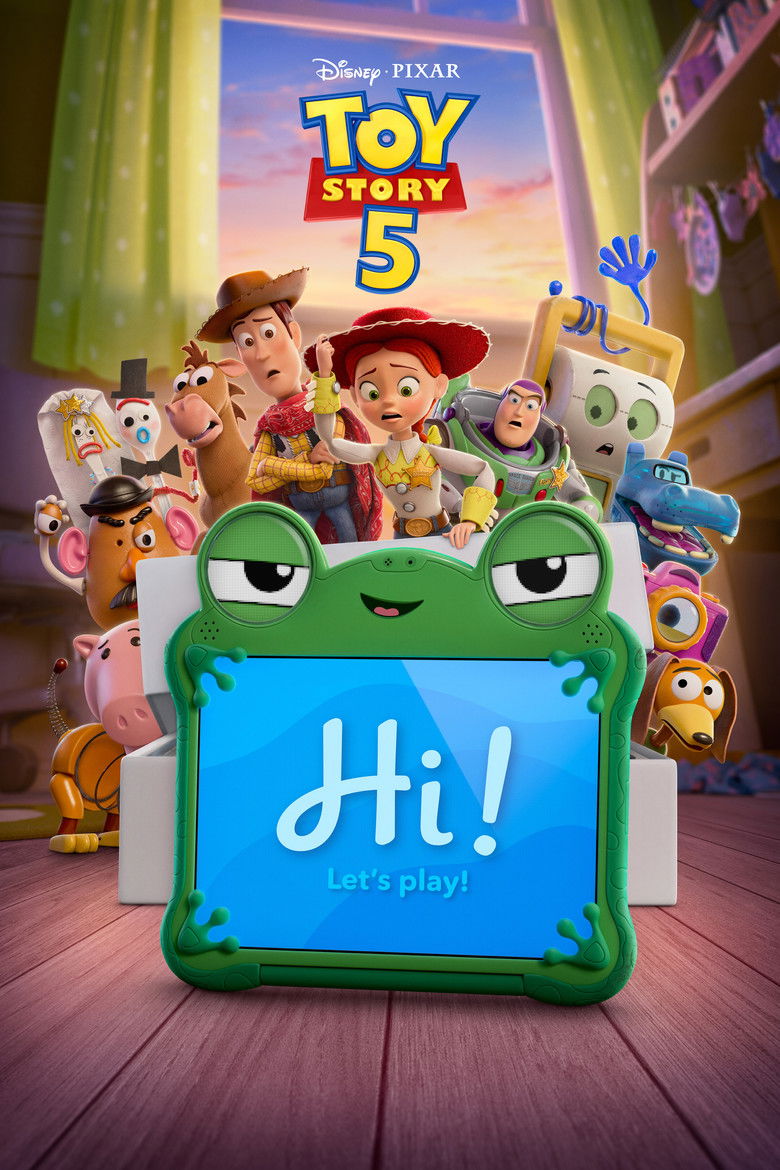
It's a truth universally acknowledged that the Toy Story franchise stands as a pillar of animated storytelling, a series that has consistently delivered heart, humor, and profound emotional depth. The consensus is, of course, that any new installment will naturally extend this legacy of joy and comfort. Audiences are practically salivating at the idea of more Woody, more Buzz, and more existential playtime. But let's pump the brakes on that collective sigh of anticipated bliss, shall we? Because the notion of a Toy Story 5 isn't a gift; it's a cynical unearthing of a perfectly laid-to-rest masterpiece, threatening to dilute every genuine emotion the previous films so painstakingly earned.
Why 'Toy Story 5' is a Joy-Killer, Not a Comfort Watch
While many anticipate renewed comfort and nostalgia from a fifth installment, here's why that expectation is fundamentally flawed:
- Undermining Perfect Endings: The emotional arcs of Woody and Buzz were beautifully concluded, first in Toy Story 3 and then again, definitively, in Toy Story 4.
- The Problem with Perpetual Sequels: Continued extensions often signal creative bankruptcy rather than narrative necessity, turning beloved stories into cash cows.
- The True Source of Cinematic Comfort: Genuine joy comes from earned narratives, not from rehashing past glories for profit.
- Alternatives for Authentic Uplift: Discover films that genuinely uplift and bring comfort, rather than relying on tired franchises.
The Betrayal of Perfect Endings
Let's be brutally honest: the story of Woody and Andy concluded with a gut-wrenching, yet utterly perfect, farewell in Toy Story 3. It was a masterclass in emotional closure, a tearful acceptance of growth and change that resonated with every adult who ever said goodbye to a childhood relic. And then, against all odds, Toy Story 4 arrived, not just justifying its existence but expanding Woody's journey into a profound exploration of purpose beyond his original child. He found his happily ever after, embracing a new, fulfilling life with Bo Peep. To drag these characters back, particularly Woody, feels less like a creative spark and more like a desperate attempt to wring more money from a well-loved brand. It's a calculated risk that threatens to invalidate the very emotional heft we cherish from those previous, definitive farewells.
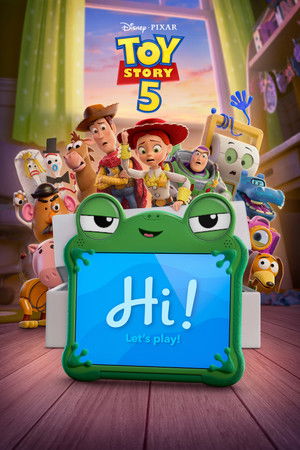
Some might argue, "But we love these characters! We want more!" And yes, the affection for Woody, Buzz, and the gang is undeniable. That's precisely why a fifth movie is such a dangerous proposition. It's preying on that affection, not serving it. True comfort in cinema comes from narratives that feel complete, that leave you satisfied and uplifted because the journey has reached its natural conclusion. Extending a story past its organic endpoint doesn't enhance the comfort; it creates a lingering sense of unease, a feeling that nothing is ever truly resolved, just indefinitely prolonged.
What Actually Brings Joy: Beyond the Cash-Grab
Instead of holding your breath for a likely disappointing retread, why not seek out films that offer genuine, unadulterated comfort and joy? These are the films that earn their happy endings and leave you with a real, lasting smile, not just a hollow echo of past greatness. For more thoughts on how cinematic originals often outshine tired sequels, check out our piece on Animation's Soul: Why Originals Outshine Tired Sequels in 2026.
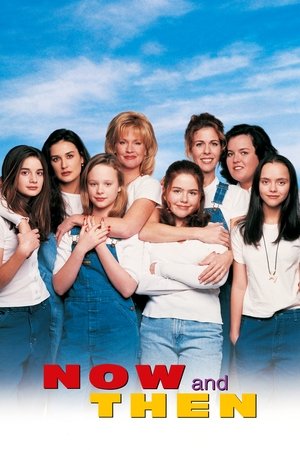
If you're looking for that warm, fuzzy feeling, turn to something like Now and Then. This isn't a grand, CGI spectacle, but a beautifully intimate coming-of-age story about friendship and summer adventures. The nostalgia it evokes is organic, built on relatable experiences and genuine character moments. Its charm lies in its simplicity and honesty, making it a truly comforting watch that doesn't need to reinvent the wheel to make you feel good.
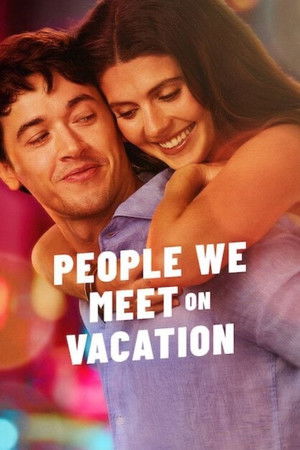
Similarly, for a dose of uplifting romance and genuine character connection, People We Meet on Vacation offers a delightful escape. It’s a rom-com that understands the nuances of long-term friendship and the slow burn of love, delivering laughter and heartfelt moments without the burden of an established, over-extended franchise. These are the kinds of stories that actually provide the emotional sustenance we crave from feel-good movies, as explored in our recent post, Feel-Good Films: Essential Comfort, Not Just Fluff. They don't demand you forget what came before; they simply offer a fresh, satisfying experience.
So, while the studios busy themselves churning out another potentially soul-crushing sequel, do yourself a favor: bypass the manufactured excitement for Toy Story 5. Instead, seek out films that truly understand the art of joy, comfort, and storytelling that knows when to leave well enough alone. Your emotional well-being (and the legacy of a perfect franchise) will thank you.
FAQ
Why are comfort movies important for audiences?
Comfort movies provide a reliable escape, offering emotional security, predictable positive outcomes, and a sense of nostalgia that can reduce stress and boost mood, serving as a cinematic 'warm hug'.
What makes a movie sequel feel 'unnecessary'?
An unnecessary sequel often lacks a compelling new story, rehashes old plot points, or undermines the satisfying conclusion of previous installments. It typically feels driven by financial motives rather than creative necessity.
Are there any genuinely good animated comfort films that aren't part of a huge franchise?
Absolutely. Films like 'My Neighbor Totoro' and 'Paddington 2' (while a sequel, it stands on its own merit as a comfort film) offer heartwarming stories, charming characters, and a strong sense of joy and wonder without relying on endless franchise extensions.