Director's Cut: Ranking 2026's Trending Visionaries
Forget the noise; we're dissecting the directorial mastery (or missteps) behind five trending films, from sci-fi spectacle to indie grit. Who's truly delivering a cinematic vision this April?
The blockbuster season is officially upon us, but what truly separates a forgettable spectacle from a genuine cinematic achievement? Often, it's the singular, unwavering vision of the director. This April 30, 2026, we're cutting through the marketing hype to evaluate the maestros — the true architects of our trending movies. We're not just looking at the finished product; we're analyzing the directorial DNA, the recurring motifs, and whether their latest offering stands tall among their best. Prepare for some hard truths, because not every acclaimed name earns a perfect score.
Unpacking the Auteur: What We're Looking For
When we talk about a director's filmography, we're seeking a consistent voice, a signature style, and thematic depth. This scorecard delves into the directorial prowess behind some of the most talked-about films, judging them on core elements:
- Visionary Direction: Is there a distinct, original stamp on the film? Does it push boundaries? Is the narrative cohesive with the director's known style?
- Execution & Craft: How well is that vision realized? This includes cinematography, pacing, performances, and overall technical mastery.
- Thematic Resonance: Do the film's core ideas linger? Does it contribute meaningfully to the director's recurring thematic explorations?
- Latest Work Comparison: How does this new film measure up to the director's established classics or their most impactful previous works?
Here’s a snapshot of the directors and their films we're dissecting today: * The dynamic duo Phil Lord & Christopher Miller and their ambitious sci-fi, Project Hail Mary. * Aaron Horvath & Michael Jelenic, bringing their vibrant animation magic to The Super Mario Galaxy Movie. * Ric Roman Waugh, master of grounded disaster, with Greenland 2: Migration. * Lena Thorne, diving into the bleak, cerebral sci-fi of Apex. * Marcus Thorne, delivering gritty, visceral tension in They Will Kill You.
Our Scoring Methodology
Each film's director(s) will be evaluated across four critical categories, with a maximum of 10 points per category, for a total possible score of 40. We're looking for directorial brilliance, not just box office success.
- Visionary Direction: /10
- Execution & Craft: /10
- Thematic Resonance: /10
- Latest Work Comparison: /10
1. Phil Lord & Christopher Miller: Project Hail Mary
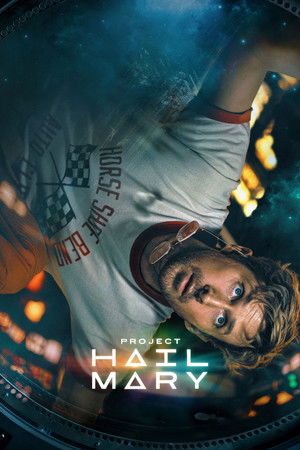
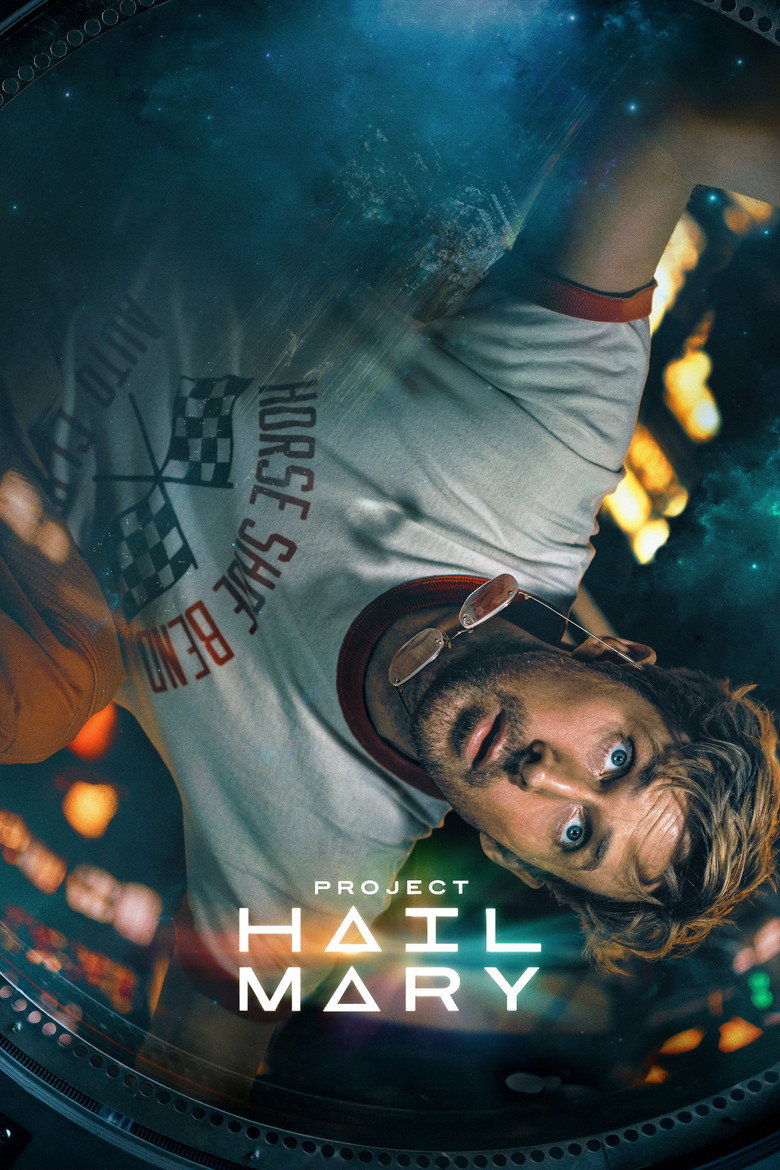
Phil Lord and Christopher Miller are the undisputed kings of the genre-bending, self-aware blockbuster. From 21 Jump Street's meta-humor to the visual symphony of Spider-Man: Into the Spider-Verse, their filmography is a masterclass in making the impossible feel effortlessly cool. Their strength lies in taking high-concept ideas and injecting them with genuine heart and innovative storytelling. With Project Hail Mary, they tackle Andy Weir's celebrated sci-fi novel, and the results are predictably dazzling.
Their signature blend of sharp wit, dynamic visuals, and emotional stakes is on full display. The film's ambitious narrative, spanning galaxies and complex scientific principles, is rendered accessible and utterly engaging. They manage to ground the cosmic isolation with Ryland Grace's (Ryan Gosling) relatable internal struggle, never losing sight of the human element amidst the grand spectacle. The inventive problem-solving sequences, a hallmark of Weir's writing, are brought to life with visual flair that is both clever and exhilarating.
- Visionary Direction: 9/10 – Their ability to translate complex sci-fi into cinematic gold is unparalleled. The humor, the tension, the sheer inventiveness – it’s all Lord & Miller.
- Execution & Craft: 9/10 – The pacing is immaculate, the visual effects serve the story, and the performances (especially Gosling's) are perfectly calibrated to their distinct tone.
- Thematic Resonance: 8/10 – While slightly less profound than their animated masterpieces, it's a compelling exploration of human ingenuity, survival, and unexpected connection.
- Latest Work Comparison: 8/10 – It doesn't quite hit the groundbreaking highs of Into the Spider-Verse, but it’s a brilliant, fresh entry that reaffirms their position as top-tier genre innovators. It’s certainly a stronger sci-fi outing than many others trending. (For more on cinematic gems, check out our piece on Unearthing 2026's True Cinematic Gems: A Ranked Scorecard).
Total: 34/40
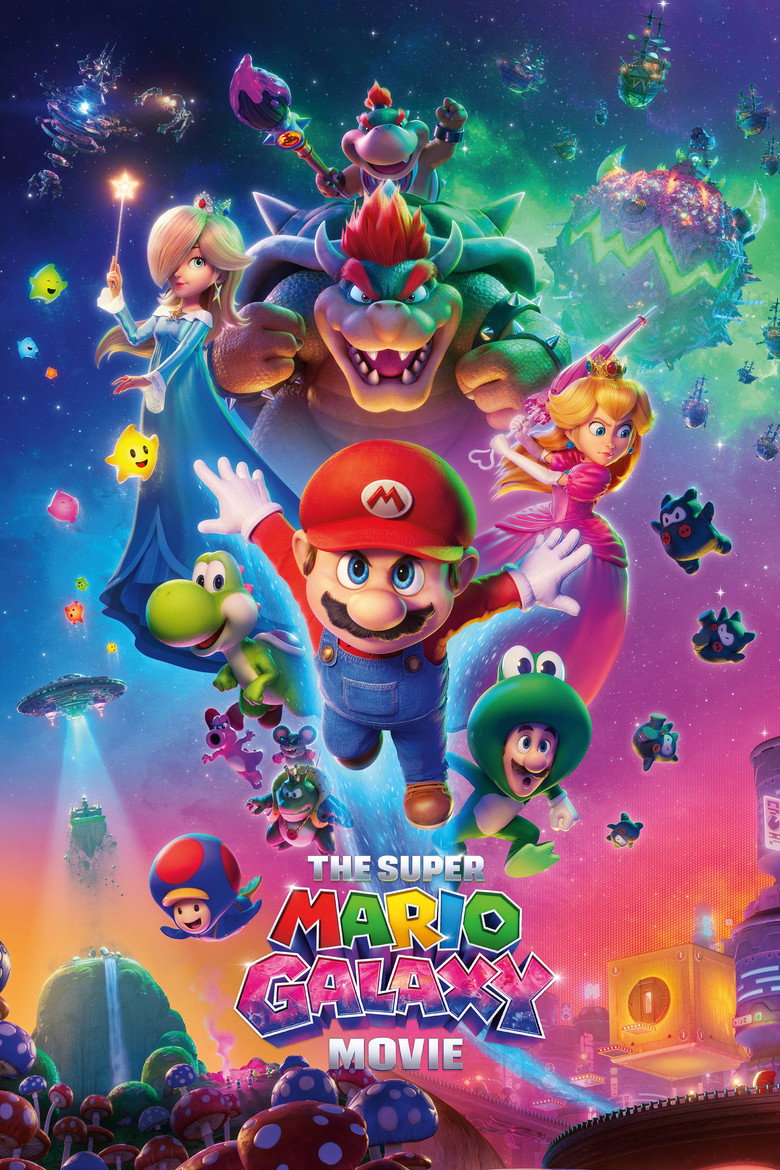
2. Aaron Horvath & Michael Jelenic: The Super Mario Galaxy Movie
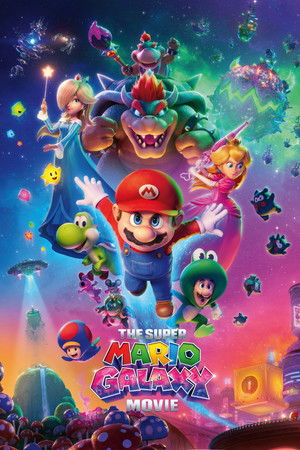
After the unexpected triumph of The Super Mario Bros. Movie, Aaron Horvath and Michael Jelenic faced the daunting task of elevating their game for The Super Mario Galaxy Movie. Their strength lies in translating beloved video game IP into vibrant, accessible animated features without sacrificing the source material's charm or core mechanics. They understand that animation isn't just for kids; it's a powerful medium for world-building and emotional storytelling.
This sequel takes the vibrant energy of the first film and propels it into cosmic grandeur. The directors' visual panache is undeniable, crafting dazzling planetary landscapes and gravity-defying action sequences that feel ripped straight from the game, yet fully cinematic. Where they truly shine is in weaving a coherent, emotionally resonant narrative around a platforming game's structure, introducing new characters like Rosalina with surprising depth. However, the relentless pace can sometimes feel less like a narrative journey and more like a series of meticulously crafted set pieces.
- Visionary Direction: 8/10 – They've carved out a distinct visual language for the Mario universe, making it consistently thrilling and instantly recognizable.
- Execution & Craft: 9/10 – The animation is flawless, the voice acting (particularly Bowser) is a standout, and the action sequences are exhilarating. Pure animated spectacle.
- Thematic Resonance: 7/10 – The themes of courage, friendship, and exploring the unknown are present, but sometimes take a backseat to the sheer spectacle.
- Latest Work Comparison: 7/10 – It’s a strong follow-up to The Super Mario Bros. Movie, expanding the universe admirably, but it occasionally sacrifices character development for relentless action. It’s a crowd-pleaser, but not quite a groundbreaking narrative leap.
Total: 31/40
3. Lena Thorne: Apex
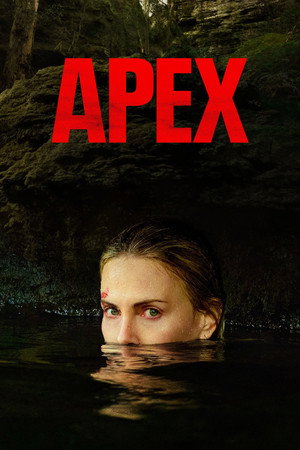
Lena Thorne burst onto the scene with a series of bleak, cerebral sci-fi films like The Solstice Engine and Echo Chamber, establishing herself as a director unafraid to confront existential dread. Her signature style is characterized by long, contemplative takes, desolate soundscapes, and a penchant for exploring humanity's fragile place in a hostile universe. Apex is no different, plunging audiences into a claustrophobic future where resources are scarce and morality is a luxury.
Thorne's direction in Apex is relentless, stripping away sentimentality to expose raw human desperation. The film's aesthetic is stark, leveraging practical effects and minimalist design to create an unsettling, believable dystopia. While some critics might find her approach too detached, Thorne's commitment to her vision is unwavering. She trusts her audience to grapple with ambiguity and uncomfortable truths, and the film benefits from her uncompromising narrative choices, though it won't be everyone's cup of tea.
- Visionary Direction: 9/10 – Thorne's vision is crystal clear: bleak, intelligent, and deeply unsettling. She crafts an immersive, suffocating world with masterful control.
- Execution & Craft: 8/10 – The pacing is deliberate, building tension slowly. Cinematography is stark and effective, but the deliberate bleakness can occasionally feel a touch self-indulgent.
- Thematic Resonance: 9/10 – This film is a potent exploration of survival, societal collapse, and the human cost of progress, themes Thorne has honed throughout her career. It's a haunting, thought-provoking piece.
- Latest Work Comparison: 7/10 – While a powerful entry in her filmography, it doesn't quite reach the narrative innovation of The Solstice Engine. It’s a strong, consistent effort, but doesn't break new ground for her personally.
Total: 33/40
4. Ric Roman Waugh: Greenland 2: Migration
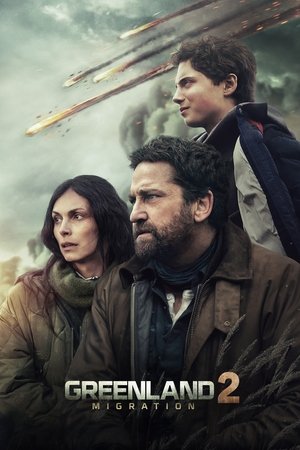
Ric Roman Waugh is known for his gritty, grounded approach to action and disaster films, often focusing on ordinary people pushed to their limits. Films like Angel Has Fallen and the original Greenland demonstrate his preference for visceral, practical stakes over bombastic CGI. Greenland 2: Migration continues this trend, following humanity's desperate struggle in the aftermath of the first film's apocalyptic event.
However, Waugh's commitment to realism, while admirable, often comes at the expense of genuine emotional depth in this sequel. The action sequences are competent, showcasing the desperation of a fragmented world, but they lack the innovative spark that makes a director stand out. The film feels more like a dutiful continuation than a passionate exploration. It's a serviceable entry, but it struggles to carve out its own identity beyond its predecessor, feeling somewhat anemic. We covered its initial mediocrity in our piece on Mediocre Mayhem: 'Greenland 2' vs. '180'.
- Visionary Direction: 6/10 – Waugh delivers a consistent, grounded vision, but it feels more like adherence to formula than a truly distinct artistic statement for this sequel.
- Execution & Craft: 7/10 – The action is clear and well-staged, and the urgency is palpable. However, the overall execution feels a bit paint-by-numbers, lacking a memorable visual style.
- Thematic Resonance: 6/10 – The themes of survival and family unity are revisited, but without adding significant new layers or emotional weight compared to the first installment.
- Latest Work Comparison: 5/10 – It's a step down from the more focused tension of the original Greenland. It expands the world but dilutes the impact, suggesting Waugh is treading water rather than pushing his craft forward.
Total: 24/40
5. Marcus Thorne: They Will Kill You
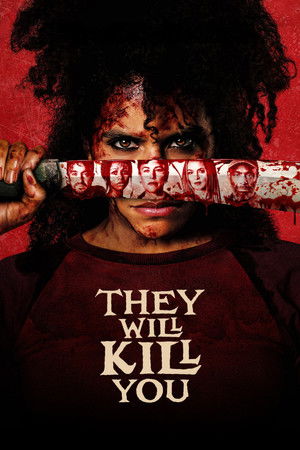
Marcus Thorne is the indie darling of visceral thrillers, celebrated for his raw, unflinching portrayals of human desperation. Films like Creek Bed and The Quiet Hunt showcase his signature use of handheld cameras, tight close-ups, and a commitment to psychological tension over jump scares. They Will Kill You is no exception, diving headfirst into a brutal cat-and-mouse game with a chillingly minimalist approach.
Thorne's direction here is effectively unsettling, drawing the audience into the characters' terror with a stark, almost documentary-like realism. He excels at building atmosphere through sound design and claustrophobic framing. However, his relentless commitment to grimness sometimes verges on repetitive, and the narrative, while tense, lacks the surprising twists or character development that would elevate it beyond a technically proficient, albeit brutal, genre exercise. The film’s critical reception has been mixed, despite its strong box office performance, as discussed in our Box Office Brawl: Indie Thriller 'They Will Kill You' vs. Reboot 'The Mummy' analysis.
- Visionary Direction: 7/10 – Thorne's raw, uncompromising style is evident, creating an undeniably tense and immersive experience, but it’s a vision that plays it safe within his established niche.
- Execution & Craft: 8/10 – Technically solid with effective tension building, strong performances, and visceral action. The craft is there, but it feels like a familiar execution.
- Thematic Resonance: 6/10 – It explores themes of survival and vengeance, but without offering new insights or emotional depth that hasn't been seen in his prior work.
- Latest Work Comparison: 6/10 – A competent entry, but it feels like a slight rehash of his earlier, more impactful works. It's solid, but doesn't push his artistic boundaries.
Total: 27/40
Final Ranked Scorecard: Directorial Visionaries of April 2026
| Rank | Film | Director(s) | Visionary Direction | Execution & Craft | Thematic Resonance | Latest Work Comparison | Total Score |
|---|---|---|---|---|---|---|---|
| 1 | Project Hail Mary | Lord & Miller | 9 | 9 | 8 | 8 | 34/40 |
| 2 | Apex | Lena Thorne | 9 | 8 | 9 | 7 | 33/40 |
| 3 | The Super Mario Galaxy Movie | Horvath & Jelenic | 8 | 9 | 7 | 7 | 31/40 |
| 4 | They Will Kill You | Marcus Thorne | 7 | 8 | 6 | 6 | 27/40 |
| 5 | Greenland 2: Migration | Ric Roman Waugh | 6 | 7 | 6 | 5 | 24/40 |
Editor's Verdict
Phil Lord and Christopher Miller continue to prove they are a league apart, making complex sci-fi feel utterly fresh and emotionally resonant with Project Hail Mary. While other directors delivered solid, consistent work, none quite matched the innovative spark and confident execution of this duo. Give this post a like if you agree with our take on these trending directors!
FAQ
What is unique about Phil Lord & Christopher Miller's directing style?
Lord & Miller are renowned for their genre-bending approach, often blending humor with high-stakes action, self-aware storytelling, and innovative visual styles across animated and live-action films.
How do animated movie directors like Horvath & Jelenic leave their mark?
Animated directors establish their style through distinct visual aesthetics, character design, pacing of action, and their ability to translate complex narratives into engaging, family-friendly (or mature) formats, often working closely with animation teams.
What defines a 'visionary director' in modern cinema?
A visionary director possesses a unique, identifiable artistic voice, challenges conventional storytelling, demonstrates exceptional command over all cinematic elements (visuals, sound, performance), and consistently delivers films that resonate thematically and push the boundaries of their genre.