Wuthering Heights (2026): A Haunting Return to the Moors
Does the latest cinematic take on Emily Brontë's passionate, windswept classic capture its wild heart, or does it get lost in the mist? We pit novel against film.
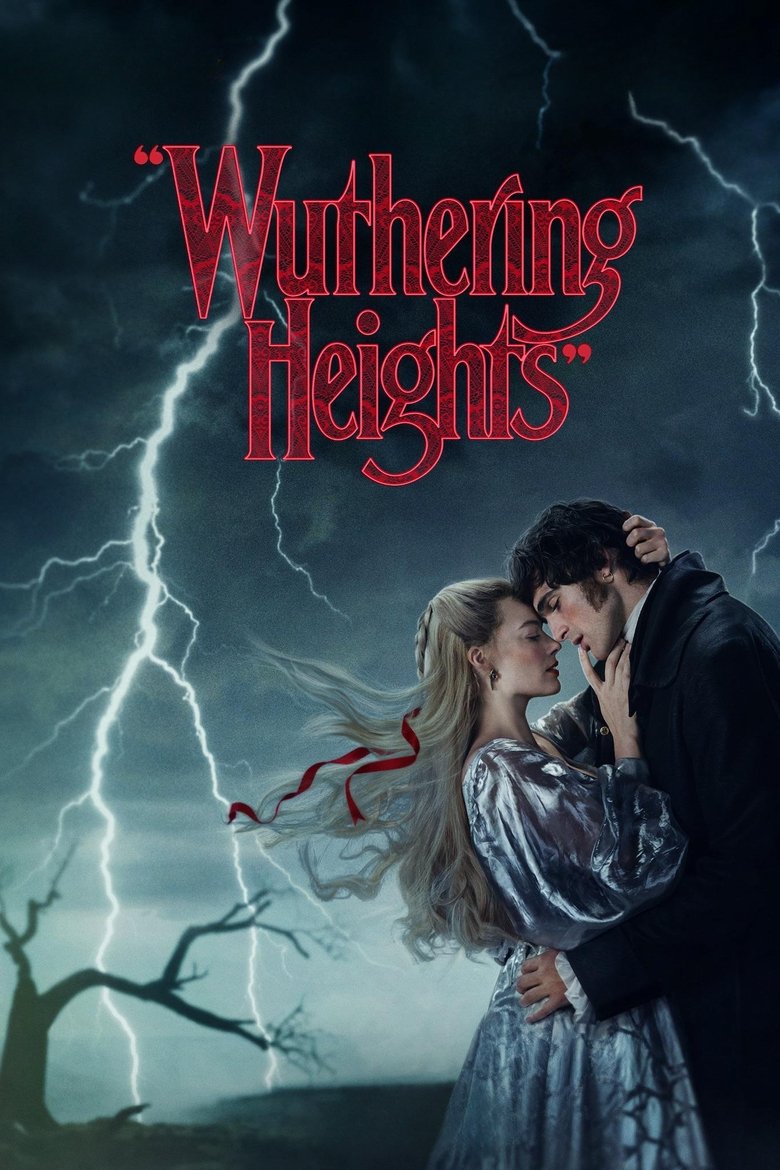
Few novels command the same raw, untamed passion as Emily Brontë's Wuthering Heights. Its windswept moors, tragic lovers, and themes of obsession and revenge have captivated readers for generations, making it a perennial favorite for adaptation. As cinephiles and literary enthusiasts, we at Lit-Pop are always eager to see how a new generation interprets such a monumental work. This month, the trending new film, also titled "Wuthering Heights", has once again brought Heathcliff's brooding intensity and Catherine's wild spirit to the big screen. But how does this latest cinematic endeavor stand up against its formidable literary ancestor? Let's wander back to the desolate beauty of the Yorkshire moors and find out.
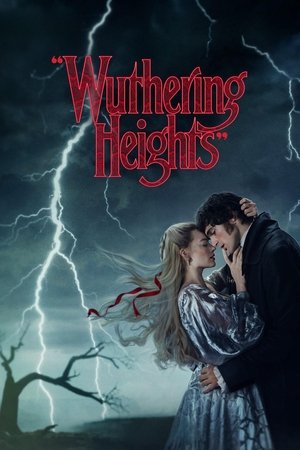
The Enduring Allure of the Moors: A New 'Wuthering Heights'
The story of Wuthering Heights is intrinsically tied to its setting: the bleak, isolated, yet majestically beautiful Yorkshire moors. It’s a tale of class, cruelty, and a love so profound and destructive it transcends death itself. Emily Brontë’s singular novel, published in 1847, broke new ground with its unconventional narrative structure, unreliable narrators, and unflinching portrayal of human depravity and fervent emotion. It's not a gentle romance; it's a gothic tragedy, a tempest of human feeling. Naturally, bringing such a complex, atmospheric, and psychologically dense narrative to film is no small feat. The new "Wuthering Heights" film joins a long line of adaptations, each attempting to distill the novel's essence for a modern audience. The challenge lies in capturing the novel's sprawling timeline, its multi-generational curse, and the raw, often unlikable nature of its protagonists, particularly the enigmatic Heathcliff and the mercurial Catherine Earnshaw.
What the 2026 Adaptation Got Right
When adapting a literary classic, certain elements are non-negotiable. This latest "Wuthering Heights" film, while making some bold choices, undeniably succeeded in several key areas.
Capturing the Atmosphere
First and foremost, the film absolutely nails the atmosphere. The Yorkshire moors are as much a character in Brontë's novel as Catherine or Heathcliff, mirroring their wild, untamed spirits and reflecting the desolate beauty of their destructive love. The cinematography in the 2026 adaptation is breathtaking, immersing viewers in the harsh, windswept landscape. From the biting winds to the endless skies and the crumbling stone of Wuthering Heights itself, every frame screams isolation and a sense of foreboding. The sound design, too, complements this, with the relentless wind and the mournful cries of birds creating an almost visceral experience that truly transports you to the heart of Brontë's world. This visual and aural fidelity to the novel's setting is a huge win for the adaptation, making the passionate drama feel grounded in its stark reality.
Heathcliff's Brooding Intensity
The portrayal of Heathcliff is another area where the film truly shines. Casting Heathcliff is always a tightrope walk – he must be menacing yet magnetic, cruel yet capable of deep, abiding love. The actor chosen for this adaptation embodies this duality perfectly. His Heathcliff is not simply a villain, nor is he a romantic hero in the traditional sense. He's a force of nature, driven by a primal passion and a thirst for vengeance born from profound societal rejection. The film allows us to see the tormented soul beneath the hardened exterior, making his descent into cruelty understandable, if not forgivable. This nuanced performance is crucial, as a one-dimensional Heathcliff would render the entire narrative flat. The film captures his animalistic drive and his almost supernatural connection to Catherine, making their bond feel both inevitable and tragically doomed.
The Unbreakable, Destructive Bond
At its core, Wuthering Heights is about the consuming, almost spiritual connection between Catherine and Heathcliff. The film successfully conveys the intensity of this bond, making it clear that their love is less about traditional romance and more about two souls recognizing their other half, even if that recognition leads to mutual destruction. The chemistry between the leads is palpable, and the film doesn't shy away from the darker, more possessive aspects of their relationship. It portrays their codependency and their inability to exist fully without the other, even when their actions tear them and everyone around them apart. This raw, unapologetic depiction of their love story is a powerful testament to the adaptation's understanding of the source material's emotional core.
Where the Film Diverged: Changes and Interpretations
However, film adaptations, by their very nature, must make compromises. The novel's intricate structure and vast scope often require significant trimming, and "Wuthering Heights" is no exception.
Narrative Compression and Omissions
Emily Brontë's novel spans decades, featuring two distinct generations and multiple narrators (Lockwood and Nelly Dean). This complex, layered storytelling is difficult to translate directly to a two-hour film. The 2026 adaptation, while focusing intensely on the central Catherine and Heathcliff narrative, necessarily compresses much of the secondary plotlines and character development. The relationships between the younger Cathy, Hareton, and Linton Heathcliff, which form a crucial part of the novel's redemptive arc, feel rushed or underdeveloped in the film. The subtle social commentary on class and property, interwoven throughout the novel, also takes a backseat to the dramatic romance. While understandable for pacing, this compression means that some of the novel's thematic depth and the full impact of Heathcliff's prolonged revenge are somewhat diluted. The slow burn of time and the cyclical nature of abuse and love are harder to convey when the narrative is streamlined.
Victorian Morality vs. Modern Sensibilities
Another subtle shift can be observed in how the film approaches the novel's often brutal depiction of Victorian society and its rigid moral codes. Brontë's characters are often cruel, selfish, and driven by impulses that were shocking for her time. While the film doesn't completely sanitize the characters, there's a tendency to perhaps soften some of the edges, making Catherine's choices slightly more sympathetic or Heathcliff's actions marginally more understandable through a contemporary lens. The novel's original impact came from its unflinching portrayal of human nature, warts and all, often without judgment. The film, while maintaining much of the drama, occasionally leans into a more conventional romantic tragedy, which can slightly diminish the original's subversive power and its stark critique of societal constraints and personal failings.
Shifting Focus: Less Nelly, More Passion
Brontë's novel relies heavily on the narration of Nelly Dean, a servant who witnesses and recounts much of the story. Her perspective, often biased and moralizing, adds a layer of complexity and allows for psychological insight into the characters. The film, in striving for immediacy and visual impact, significantly reduces Nelly's role. While this allows for a more direct, immersive experience of Catherine and Heathcliff's passion, it loses some of the novel's distinctive narrative voice and the subtle commentary it provides. The film prioritizes showing over telling, which works for cinematic drama, but sacrifices some of the novel's rich interiority and the critical distance provided by Nelly's recounting.
The Verdict: Novel or New Adaptation – Which Reigns Supreme?
So, after walking the moors with both Emily Brontë's words and the 2026 film's stunning visuals, which version of Wuthering Heights truly reigns supreme? For us at Lit-Pop, while the new "Wuthering Heights" is a commendable and visually arresting adaptation, the original novel remains the undisputed champion.
The film excels in its atmospheric portrayal and the raw performances of its leads, particularly in capturing the destructive intensity of Catherine and Heathcliff's relationship. It offers a powerful, emotional, and accessible entry point into this classic story, making it a compelling watch for newcomers and a visually rich experience for long-time fans.
However, the novel's depth, its intricate narrative structure, the psychological nuance of its characters, and its unflinching exploration of generational trauma and social constraints cannot be fully replicated in a two-hour film. Emily Brontë's prose allows for a more profound immersion into the characters' tormented psyches and the slow, inevitable unfolding of their tragic fates. The multi-layered storytelling, the unreliable narration, and the sheer scope of its emotional landscape offer a richness that the cinematic medium, with its inherent need for compression, struggles to match. The novel asks you to live with these characters for generations, to truly feel the cyclical nature of their passions and their pain.
Ultimately, the 2026 "Wuthering Heights" movie is a strong, valuable addition to the legacy of adaptations, a beautiful and intense portrayal of a classic. But for the full, unadulterated, and truly haunting experience of Brontë's masterpiece, you simply must return to the pages of the book. It’s where the wind howls loudest, and the spirits of Catherine and Heathcliff truly roam free.
Have you seen the new "Wuthering Heights" film? What are your thoughts on classic literature adaptations? Let us know in the comments below!