Monarch's Dual Timelines Unmask Our Deeper Fears
Apple TV+'s 'Monarch: Legacy of Monsters' transcends mere kaiju spectacle, masterfully weaving family trauma, government conspiracy, and existential dread into a triumph of longform storytelling.
Let's be blunt: the MonsterVerse films often suffer from 'human problem.' We show up for the titans, the city-smashing, the primal roar, only to be subjected to human characters flatter than a pancake stomped by Godzilla. It’s a recurring cinematic sin. So, when Apple TV+ announced Monarch: Legacy of Monsters, the eye-rolls were audible from Tokyo to San Francisco. Yet, against all expectations, this series doesn't just clear the low bar set by its big-screen counterparts; it pole-vaults over it, delivering a nuanced, compelling, and genuinely unsettling exploration of what it means to live in a world where humanity is emphatically not at the top of the food chain.
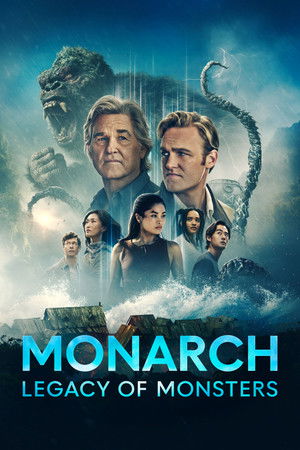
What could have been a bland expansion pack for a blockbuster franchise instead emerges as one of the most intellectually stimulating and emotionally resonant entries in the MonsterVerse. This isn't just about giant monsters fighting; it's about the shadows they cast on human lives, across generations, and deep into the very fabric of our understanding of reality. It's a show that forces you to confront the unsettling truth that the real monsters might not be the ones with atomic breath, but the secrets we keep and the legacies we inherit.
Unpacking Monarch: Why It Matters Now
For those seeking a thoughtful blend of genre thrills and profound character study, 'Monarch: Legacy of Monsters' delivers. Here’s what makes it a must-watch deep dive this May 2026:
- The Power of Dual Timelines: How bifurcated narratives create layered suspense and thematic depth.
- Humanity's Anchor: The series' success in crafting compelling human stories amidst kaiju chaos.
- Visual Storytelling Beyond Spectacle: How effects serve narrative, not just destruction.
- Conspiracy and Control: Its chilling exploration of secret organizations and existential dread.
The Masterstroke of Bifurcated Narrative: 1950s vs. 2014
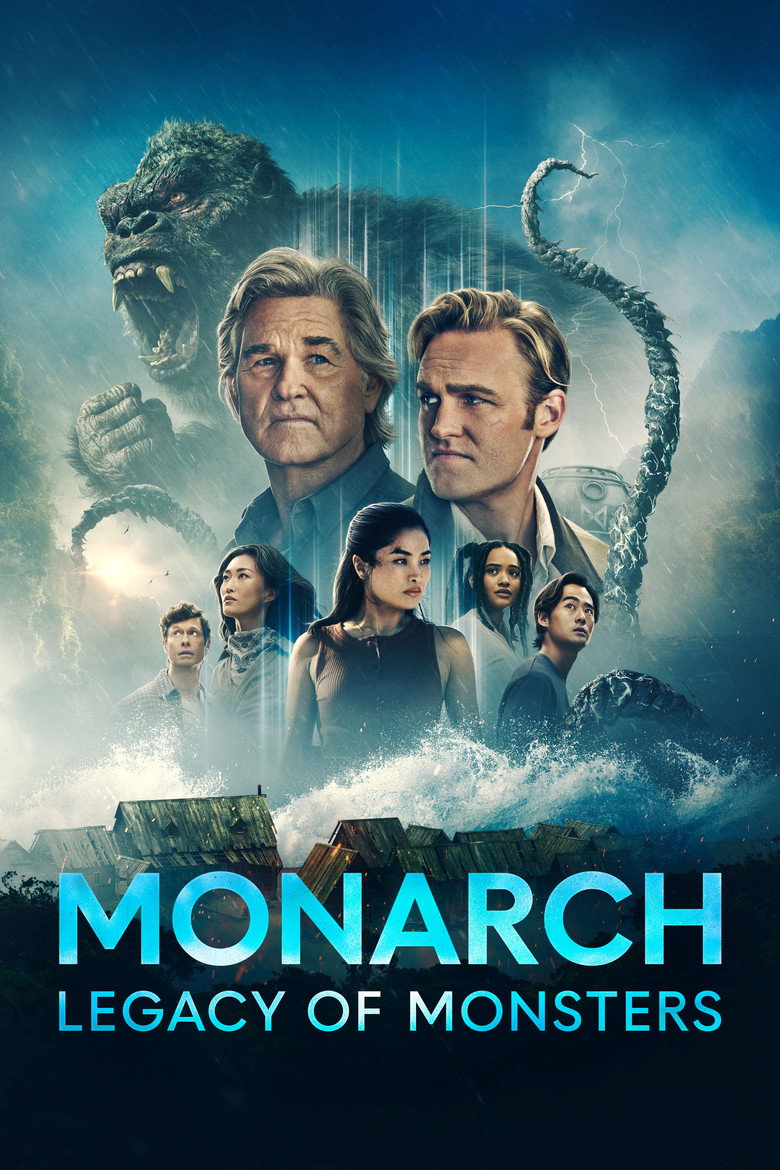
The most audacious and ultimately rewarding structural decision in Monarch: Legacy of Monsters is its relentless commitment to a dual timeline narrative. We ping-pong between the nascent days of Monarch in the 1950s, following young Bill Randa (Anders Holm), Dr. Keiko Randa (Mari Yamamoto), and Lee Shaw (Wyatt Russell) as they grapple with humanity's first terrifying encounters with Titans, and the aftermath of Godzilla's San Francisco rampage in 2014, with Cate Randa (Anna Sawai), Kentaro (Ren Watabe), and an older Lee Shaw (Kurt Russell). This isn't just a gimmick; it's a narrative engine that fuels both mystery and thematic resonance.
The 1950s storyline, a sepia-toned fever dream of scientific discovery and government paranoia, provides crucial context for the world Cate and Kentaro navigate. We witness the awe and terror of first contact, the desperate scramble to understand (and weaponize) these colossal beings, and the birth of the secretive organization tasked with containing the truth. The younger Lee Shaw, portrayed with a charming rogue intensity by Wyatt Russell, feels like a lost adventurer from a classic pulp novel, perfectly balancing his father's (Kurt Russell) later gravitas. The sheer historical scope this timeline provides is invaluable; it makes the MonsterVerse feel lived-in, ancient, and terrifyingly inevitable. It’s a slow-burn exposé of how humanity, despite its technological prowess, was always playing catch-up, always reacting, never truly in control.
Contrast this with the 2014 timeline, bathed in the muted blues and grays of post-disaster trauma. Cate, grappling with the San Francisco incident and her father's disappearance, becomes our contemporary everywoman. Her journey, alongside her half-brother Kentaro, is one of uncovering hidden family histories, confronting the legacy of her grandfather Bill Randa, and navigating a world irrevocably altered by Titans. The interweaving of these timelines creates a constant feedback loop of tension and revelation. A threat hinted at in the '50s manifests with terrifying clarity in 2014, and the personal stakes in the present are amplified by the historical sacrifices of the past. It’s a masterclass in how to build suspense not just through what happens next, but through what happened then.
Human Drama as the True Horror
Many monster films fail by making their human characters disposable, mere bystanders to the kaiju spectacle. Monarch: Legacy of Monsters defiantly resists this trend. Its central triumph lies in its unflinching focus on the Randa family saga, positioning generational trauma and deeply buried secrets as equally, if not more, compelling than a Godzilla-MUTO brawl. The emotional core is the search for Hiroshi Randa, the missing link between the two timelines, whose absence casts a long, complicated shadow over Cate and Kentaro's lives.
Anna Sawai's performance as Cate is particularly noteworthy. She carries the weight of survivor's guilt, a strained family dynamic, and the slow, horrifying realization that her entire life has been built on a foundation of lies. Her raw vulnerability and simmering anger are palpable, making her the most relatable protagonist the MonsterVerse has ever produced. Similarly, Kurt Russell's turn as the older Lee Shaw is a magnetic force, a man haunted by the past, driven by conviction, and possessing a world-weariness that only decades of fighting giants can instill. His chemistry with newcomer Anna Sawai bridges the timelines emotionally, making their shared quest feel profoundly personal. This commitment to character elevates the series beyond simple genre fare, making us care about the people caught in the catastrophe, not just the catastrophe itself.
This is where the show truly shines, making its human characters not just observers but active participants whose personal journeys are intricately tied to the world-changing events. It's a stark contrast to the often-criticized flat characterizations in films like Godzilla: King of the Monsters, proving that emotional depth can coexist, and even enhance, colossal destruction. The showrunners, including the visionary minds often discussed in our TV Titans: Ranking Showrunners Shaping April 2026's Top Shows feature, understood that for the monsters to truly matter, the humans had to matter more.
Visual Storytelling: Beyond Mere Spectacle
It’s easy to dismiss monster shows as simply CGI showcases, but Monarch: Legacy of Monsters uses its visual effects with surgical precision to enhance its narrative and thematic depth. The Titans are not just creatures of mass destruction; they are forces of nature, ancient and unknowable, and the series’ visual language consistently reinforces this.
Consider the sequences involving Godzilla. Instead of constant, gratuitous screen time, the king of the monsters is deployed sparingly, his appearances imbued with a sense of awe and dread that feels earned. When he does arrive, it’s not just a battle; it’s an event that shifts the very ground beneath the characters' feet, both literally and figuratively. The creature designs for new Titans are equally impressive, managing to feel both fantastical and grounded within the established MonsterVerse aesthetic. The VFX team masterfully balances the colossal scale with believable textures and movements, making these beings feel like genuine inhabitants of the world, not just digital constructs.
Beyond the monsters, the show’s cinematography and production design for the dual timelines are exquisite. The '50s sequences evoke a sense of mid-century adventure, complete with period-accurate technology and rugged, unexplored landscapes. The 2014 timeline is grittier, reflecting a world still reeling from cataclysm. This visual differentiation isn't just stylistic; it helps viewers instantly orient themselves within the complex narrative structure and deepens the immersive quality of the storytelling. It’s a testament to the idea that visual effects should be a tool for storytelling, not a substitute for it.
The Chilling Allure of Conspiracy and Lost Control
At its core, Monarch: Legacy of Monsters is a deep dive into humanity’s desperate need for control and the terrifying consequences when that control is an illusion. The organization Monarch itself is a fascinating beast, evolving from a clandestine scientific endeavor to a global paramilitary force, all while operating in the shadows. The series expertly taps into a very modern anxiety: that the powers-that-be are withholding vital information, that the world is more dangerous and unknowable than we are led to believe.
The constant obfuscation, the layers of classified information, and the moral compromises made by Monarch operatives in both timelines create a palpable sense of unease. It’s reminiscent of the best mystery-box shows, like Lost (though FROM Isn't Just Horror, It's LOST's Heir Apparent offers a more direct comparison to Lost's existential dread), where every answer only begets more questions. The show's slow drip-feed of information about the Titans, their origins, and Monarch's true agenda keeps viewers hooked, not just on the spectacle, but on the intellectual puzzle at its heart. It dares to ask: what if the greatest threat isn't the monsters, but the organizations built to contain them, and the truths they bury? This thematic depth is what elevates Monarch from a creature feature to a compelling piece of speculative fiction that resonates far beyond its kaiju-sized footprint.
Editor's Verdict
Forget your preconceptions about the MonsterVerse. Monarch: Legacy of Monsters isn't just a monster show; it's a meticulously crafted, emotionally resonant drama that utilizes its colossal threats to explore profound human themes. Its dual timelines, stellar performances, and commitment to genuine storytelling make it the true standout of the franchise and a must-watch for anyone craving intelligent genre television. Like this post if you agree that Monarch truly delivers on its colossal promise!
FAQ
Is Monarch: Legacy of Monsters connected to the MonsterVerse movies?
Yes, 'Monarch: Legacy of Monsters' is fully canon within Legendary's MonsterVerse, directly following the events of the 2014 'Godzilla' film and further exploring the origins and activities of the Monarch organization across different time periods.
Who are the main characters in Monarch: Legacy of Monsters?
The series primarily follows the Randa family across two timelines. In 2014, Cate Randa (Anna Sawai) and Kentaro (Ren Watabe) uncover family secrets. In the 1950s, the story focuses on their grandparents, Dr. Keiko Randa (Mari Yamamoto) and Bill Randa (Anders Holm), alongside a young Lee Shaw (Wyatt Russell), with Kurt Russell portraying an older Lee Shaw in the modern timeline.
What core themes does Monarch: Legacy of Monsters explore?
The show delves deep into themes of legacy, generational trauma, government secrecy, the human desire for control versus the forces of nature, and the existential dread of living in a world shared with colossal, undiscovered beings.