Rivals: Beyond the Bonkbuster Hype, a Sharp Social Satire Emerges
Jilly Cooper's iconic Rutshire saga hits the screen, proving it's more than just saucy escapism – it's a surprisingly incisive look at power, privilege, and the enduring absurdity of the British elite.
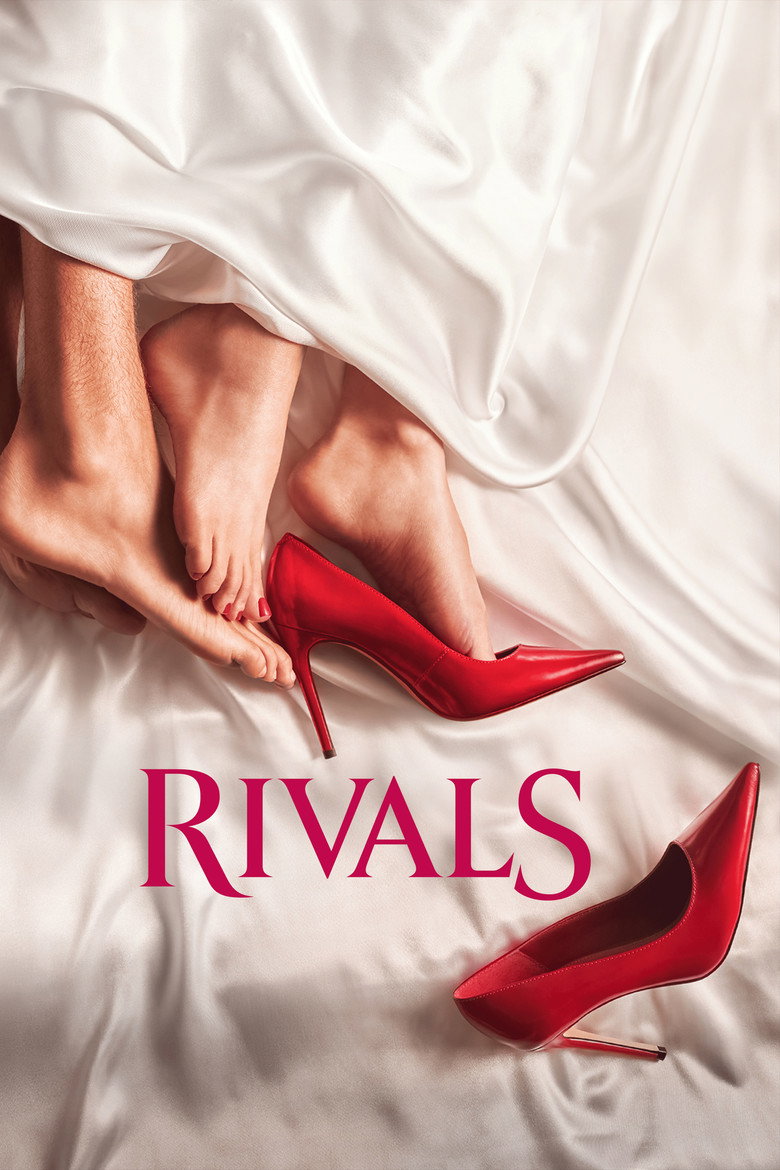
In an era of prestige dramas grappling with existential dread and gritty realism, the arrival of Rivals on our screens feels almost anachronistic. Jilly Cooper’s Rutshire Chronicles, long dismissed by some as mere “bonkbuster” fiction – all horses, hounds, and hedonistic aristocrats – have finally been adapted, and the question on every discerning critic’s lips isn't if it’s entertaining, but why it feels so startlingly relevant right now. This isn't just a lavish period piece; it’s a sly, glittering Trojan horse, smuggling sharp social commentary beneath layers of silk, scandal, and questionable decisions. It dares to be unpretentious, yet delivers a punch far more potent than its detractors might admit.
Unpacking Rivals: What Makes This Adaptation a Must-Watch?
- Faithful Yet Fresh Adaptation: How the series honors Jilly Cooper's distinct voice while subtly updating its social commentary.
- The Art of Opulence: An examination of the series' visual style, from costume design to grand country estates.
- Ensemble Acting Masterclass: Spotlight on key performances that elevate caricature to character.
- Modern Relevance of '80s Excess: Why the show's exploration of power, media, and privilege resonates today.
The Rutshire Chronicles: From Page to Polished Screen
Jilly Cooper’s novels are a unique beast: sprawling, character-driven sagas that deftly mix melodrama with surprisingly astute observations on British class, media, and sexual politics. Rivals, in particular, plunges us into the cutthroat world of 1980s commercial television, where the rivalry between broadcasting magnate Tony Baddingham and the charming, principled MP Rupert Campbell-Black (yes, that Rupert Campbell-Black) forms the central axis. The challenge for any adaptation is not just to capture the frothy excitement and scandalous affairs, but to retain the novel's biting wit and underlying critique of a society obsessed with status and appearances. This series largely succeeds, walking a tightrope between faithful homage and modern sensibility.
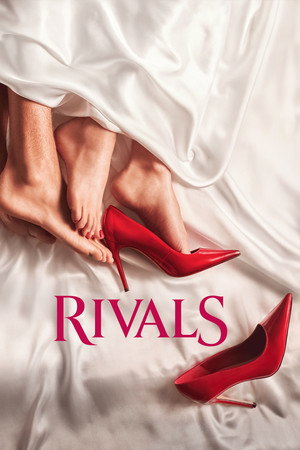
The screenwriters, led by Dominic Treadwell-Collins, have clearly approached the source material with respect, but not reverence. They understand that while the trappings of the 80s – the big hair, the shoulder pads, the unapologetic consumerism – are ripe for visual indulgence, the attitudes sometimes require a gentle recalibration. This isn't a Bridgerton-esque anachronistic free-for-all, nor is it a sterile historical document. Instead, it carefully navigates the inherent complexities, allowing the more problematic aspects of the era to exist as part of the satirical landscape, rather than simply endorsing them. It’s a nuanced approach that aligns with the contemporary demand for thoughtful portrayals, a shift we've explored in TV's Psychic Shift: Why Nuance Reigns in Upcoming Dramas.
A Symphony of Excess: The Visual Language of Rutshire
To adapt Cooper, one must embrace the sheer, unadulterated opulence of her world. And oh, does Rivals deliver. Every frame drips with the kind of lavish production design that transports you directly to the grand country estates, exclusive London clubs, and slightly-past-their-prime country houses of the British upper crust. The costumes are a masterclass in 1980s aspirational fashion – vibrant, bold, and occasionally questionable, but always perfectly suited to the character. From Lizzie Vereker’s increasingly flamboyant outfits as she rises through the ranks to Declan O’Hara’s artistic yet understated elegance, the wardrobe tells its own story of ambition, insecurity, and social maneuvering.
Cinematically, the show is bright, almost glittering, reflecting the superficial sheen of the world it depicts. It avoids the muted palettes often favored by 'gritty' dramas, opting instead for a vibrant, almost Technicolor approach that mirrors Cooper’s own prose. This visual boldness is crucial; it’s not just about showing wealth, but about immersing the viewer in the unapologetic glamour and often garish taste of a particular milieu. It’s a feast for the eyes, providing the kind of escapist pleasure that allows the deeper satirical cuts to land with more impact. Unlike some adaptations that shy away from the full visual grandeur, Rivals leans into it, understanding that the aesthetic excess is part of the point.
The All-Star Lineup: Performances That Pop
The casting of Rivals is nothing short of a triumph, turning what could easily be caricatures into surprisingly layered, albeit still larger-than-life, characters. David Tennant as Tony Baddingham is a revelation. He perfectly embodies the ruthless, manipulative media mogul, capable of both terrifying charm and chilling cruelty. Tennant injects Baddingham with a fascinating blend of vulnerability and venom, making him a villain you love to hate, and occasionally, pity. His performance anchors the series, providing a formidable counterpoint to the more overtly heroic (if still flawed) figures.
Similarly, Alex Hassell steps into the formidable riding boots of Rupert Campbell-Black with an ease that belies the character's complexity. He captures Rupert's infamous charisma, his arrogant charm, and his underlying sense of honor – however skewed it might sometimes be. Aidan Gillen, as the embattled TV producer Declan O’Hara, brings a quiet intensity to a man constantly battling the forces of commercialism and Baddingham’s machinations. The dynamic between these three central male figures is the engine of the show, driven by powerful performances that elevate the material beyond mere soap opera. Even the supporting cast shines, particularly Claire Rushbrook as the long-suffering Valerie Baddingham, whose quiet dignity offers a poignant contrast to the surrounding chaos. This kind of ensemble strength is what elevates a good story to a truly compelling watch, much like how nuanced performances define critical darlings discussed in Beyond Spectacle: Why Awards TV Favors Nuance Now.
1980s Excess, 2020s Resonance: Why Rivals Matters Now
While set firmly in the 1980s, the themes explored in Rivals are startlingly prescient. The struggle for control over media narratives, the power of a few influential figures to shape public opinion, the clash between traditional institutions and new money, and the often-toxic intersection of politics, celebrity, and commerce – these are not relics of a bygone era. They are the very fabric of our current cultural landscape. Baddingham’s ruthless pursuit of ratings and influence, Rupert’s political ambitions, and the general moral ambiguity of the characters resonate deeply in an age of sensationalist journalism, social media echo chambers, and blurred lines between entertainment and news.
The series deftly uses the perceived 'innocence' of the 80s to highlight how little, fundamentally, has changed in the pursuit of power and pleasure. It's a mirror held up to our own society, reflecting our enduring fascination with the rich and powerful, even as it subtly skewers their foibles and hypocrisies. It reminds us that while the technology may evolve, the human drives for ambition, love, betrayal, and status remain constant. Rivals isn't just a period piece; it’s a cultural commentary wrapped in a glittering package, proving that sometimes, the most 'escapist' entertainment can offer the most cutting insights.
Editor's Verdict
Rivals is a deliciously entertaining, visually sumptuous, and surprisingly sharp adaptation that transcends its 'bonkbuster' roots. It’s a testament to strong source material, smart writing, and a truly exceptional ensemble cast, proving that high-camp drama can also be high-quality television. Go ahead, indulge your inner hedonist – you might just learn something about the world, and yourself, in the process. It's an unmissable ride.
FAQ
What is 'Rivals' about?
'Rivals' is a British drama series adapted from Jilly Cooper's novel, set in the 1980s, focusing on the scandalous lives of the English elite, particularly a bitter rivalry between a powerful media mogul and a charismatic politician.
Is 'Rivals' a faithful adaptation of the book?
The series is a largely faithful adaptation, capturing the spirit, characters, and key plotlines of Jilly Cooper's novel. While some elements are subtly updated for a modern audience, it retains the book's signature blend of satire, romance, and social commentary.
Who are the main stars in the 'Rivals' TV series?
The 'Rivals' TV series features a strong ensemble cast including David Tennant as Tony Baddingham, Aidan Gillen as Declan O’Hara, and Alex Hassell as Rupert Campbell-Black.