"Star Trek: Starfleet Academy" Isn't Bad, It's *Bold*—You're Just Not Ready
The latest Trek installment is getting savaged, but critics are missing the point: this is the fresh sci-fi we desperately need in 2026.
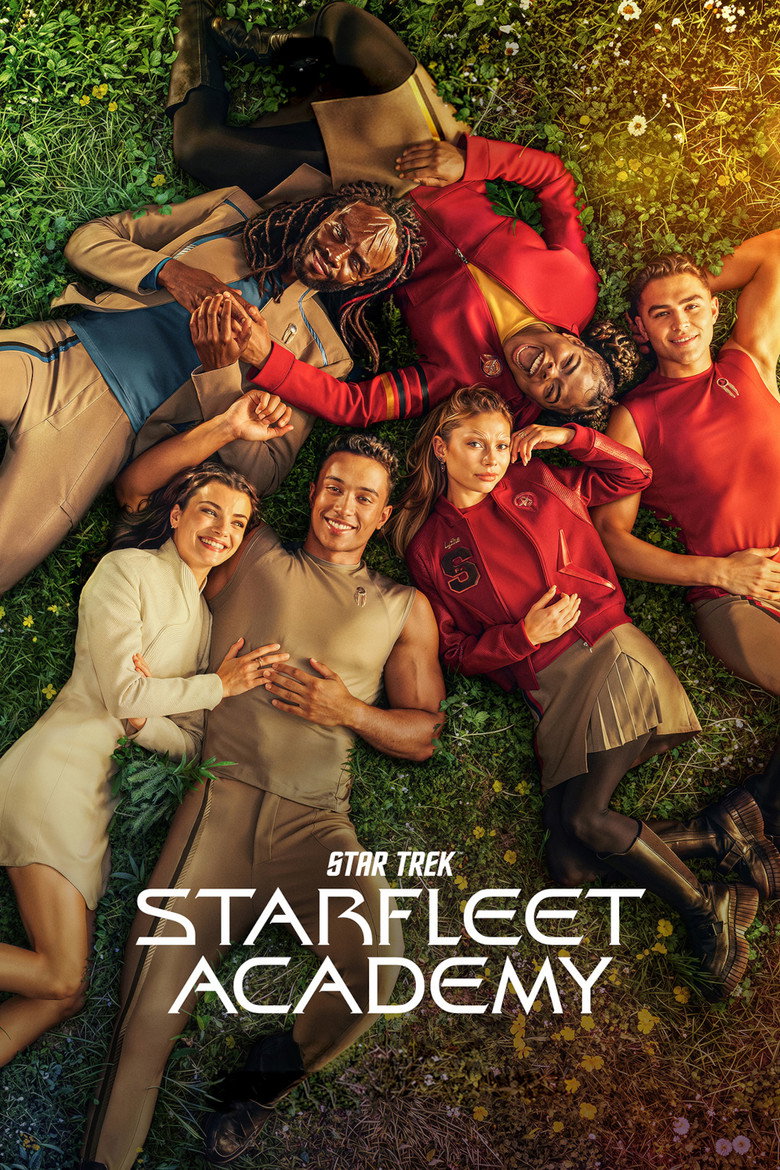
Let's be blunt: the internet has largely decided that Star Trek: Starfleet Academy is a misfire. The reviews are lukewarm, the fan forums are ablaze with vitriol, and its 5.4 aggregate score feels like a cosmic shrug. "Another Star Trek cash-grab," they moan, "diluting the legacy." But I'm here to tell you, dear reader, that the consensus is dead wrong. You're not witnessing a failure; you're witnessing a necessary, exhilarating evolution that many are simply too entrenched in nostalgia to appreciate.
Why Is Star Trek: Starfleet Academy So Divisive?
The perceived shortcomings of Starfleet Academy are precisely its greatest strengths. This series isn't about rehashing old glories; it's about forging new ones. Here's why the widespread dismissal is short-sighted:
- A True Academy Experience: It finally delivers on the promise of a genuine Starfleet training ground, showcasing the gritty, unglamorous path to becoming an officer.
- Departure from Canonical Chains: Free from the burden of legacy characters and universe-altering stakes, it explores intimate, character-driven narratives.
- Focus on Fresh Perspectives: We're finally seeing the Federation from the ground up, through the eyes of diverse, unproven cadets.
- Modern Thematic Depth: The show tackles contemporary issues of privilege, meritocracy, and ethical development with a nuance rarely seen in franchise sci-fi.
Beyond the Nostalgia Trip: A True Academy Experience
The biggest complaint leveled against Starfleet Academy is that it doesn't feel like Star Trek. And to that, I say: good. We've had enough shows where a grizzled captain saves the galaxy every other week. This series is less about galactic diplomacy and more about the existential dread of a young ensign failing a zero-G ethics exam. We see cadets like Anya Sharma grapple with the very real consequences of a theoretical Kobayashi Maru scenario, not as a narrative device for a seasoned captain, but as a crucible for a raw, untested mind. The political maneuvering in the mess hall is as tense as any battle, and the ethical dilemmas presented in Professor T'Pring's xenolinguistics class resonate far more deeply than another warp core breach. It's a character study in a futuristic setting, and frankly, it's about damn time.
Shattering the Glass Ceiling of Expectation
What Starfleet Academy does brilliantly is strip away the decades of accumulated lore that often suffocates new Trek installments. Instead of relying on a cameo from a legacy character or a convoluted tie-in to a decades-old conflict, it builds its own foundation. The show dares to be smaller, more focused, and therefore, more impactful. This isn't a series about grand pronouncements or universe-shattering events; it's about the forging of individuals who will eventually shape that universe. It's the prequel to the heroes, showing us the uncomfortable, often awkward journey to greatness. This refreshing lack of external spectacle allows the internal conflicts and burgeoning relationships to truly shine, giving us a more authentic, grounded vision of the future. While some crave the bombastic, I crave the believable, and Starfleet Academy delivers.
Yes, it’s a departure. It’s not your father's Star Trek. It’s not even my father’s Star Trek, and that’s precisely its power. It’s pushing the boundaries of what a franchise show can be, demonstrating that true sci-fi innovation can come from looking inward, not just outward. It’s a vital re-energizing of a beloved universe, daring to evolve rather than stagnate.
Editor's Verdict
Rating: 8/10
Verdict: "Star Trek: Starfleet Academy" is a daring, necessary pivot for the franchise, delivering rich character studies and timely ethical debates that are tragically overlooked by those expecting more of the same. Give it a shot; your expectations might be the only thing holding you back.
If you've dismissed Starfleet Academy out of hand, I urge you to reconsider. Approach it not as a continuation, but as a bold new chapter, and you might just find yourself captivated. However, if you're still craving a dose of grounded, intelligent sci-fi that's genuinely being slept on, then you absolutely must tune into For All Mankind. Its alternative history space race is a masterclass in world-building and human drama, offering a very different, yet equally compelling, vision of the future. For more on what's genuinely exciting in sci-fi, check out our piece on Cosmic Cops & Dystopian Dreams: Ranking Sci-Fi TV's Next Wave.
FAQ
Is Star Trek: Starfleet Academy canon?
Yes, "Star Trek: Starfleet Academy" is officially part of the Star Trek canon, set within the established Prime Timeline, focusing on a new generation of cadets at the iconic institution.
What makes Star Trek: Starfleet Academy different from other Trek shows?
Unlike many previous Star Trek series centered on starship crews, "Starfleet Academy" focuses on the training and personal development of cadets, offering a more intimate, character-driven perspective on the early stages of Starfleet careers and ethical dilemmas.
Who are the main characters in Star Trek: Starfleet Academy?
The series primarily follows a diverse ensemble of young cadets, including Anya Sharma, a brilliant but rebellious xenolinguistics major, and Elias Vance, a driven engineering prodigy, as they navigate the rigorous challenges of Starfleet training.