TV's Psychic Shift: Why Nuance Reigns in Upcoming Dramas
From Michelle Yeoh's commanding return in 'The Savant' to a fresh take on 'Young Sherlock,' April 2026 heralds TV's deeper dive into complex minds.
The era of simplistic heroes and villains on television is dead, buried under an avalanche of nuanced psychology and morally ambiguous protagonists. What audiences crave now, more than ever, isn't just a thrilling plot, but a deep, uncomfortable crawl inside the minds of complex characters. We're witnessing a profound psychic shift in TV's DNA, where the most anticipated upcoming series aren't just selling spectacle; they're selling soul-searching, psychological excavation, and the intoxicating allure of human intricacy. This April 2026, the streaming landscape is awash with productions doubling down on depth, demanding our intellectual engagement as much as our emotional investment.
Unpacking TV's Next Psychological Wave: What to Watch
As we look ahead to the most compelling television hitting our screens, it's clear that the industry is responding to a hunger for more than just surface-level entertainment. This article will dissect: * The high-stakes psychological thriller of The Savant, starring Michelle Yeoh. * The compelling re-imagination of an iconic detective in Young Sherlock. * The enduring appeal of intricate power struggles and human drama in Rivals. * Why the triumph of character complexity over simple narratives defines modern TV viewing habits.
The Savant: A Masterclass in Mind Games
At the forefront of this cerebral revolution is The Savant, a mini-series that looks set to dominate conversations this spring.
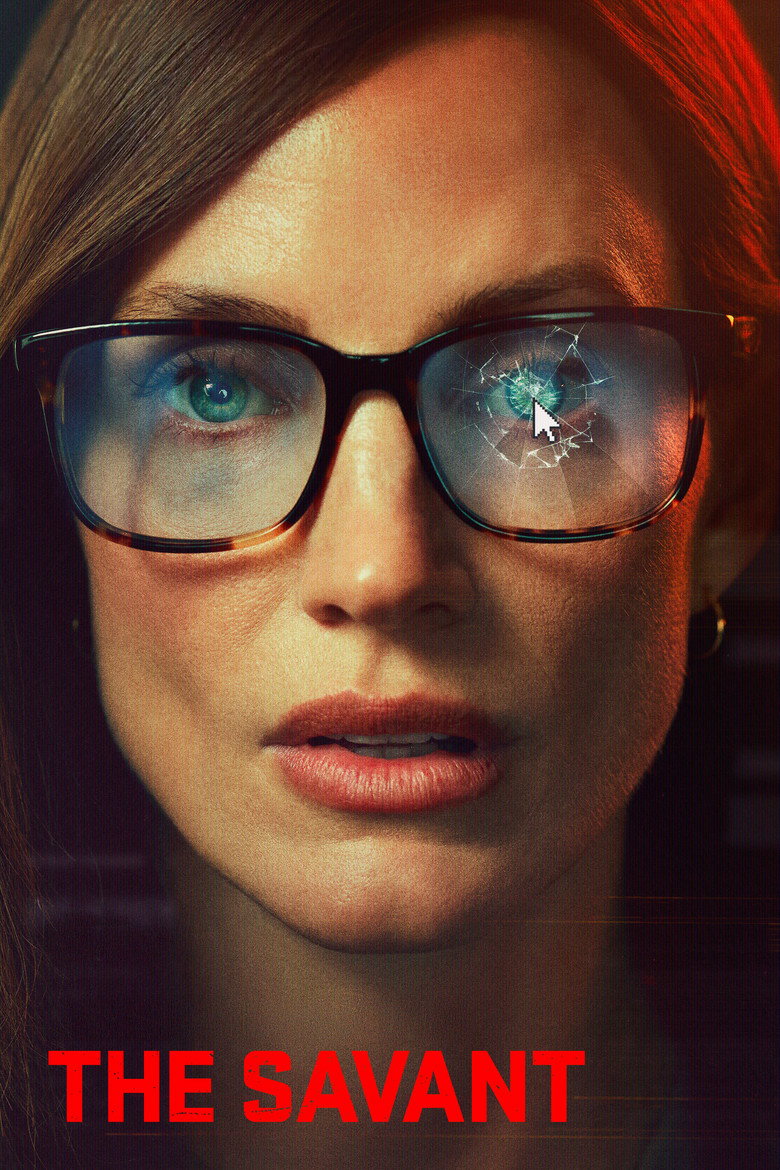
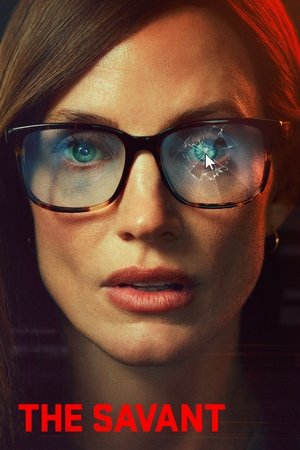 Starring the incomparable Michelle Yeoh, this isn't just another crime procedural; it's a deep dive into the labyrinthine mind of a forensic psychiatrist tasked with tracking a serial killer. The brilliance here isn't merely in the "whodunit," but in the "why" and "how" the human psyche bends and breaks under extreme pressure. Yeoh's character, a woman whose own past is undoubtedly as complex as the cases she unravels, promises a performance of unsettling intensity. This series understands that the true terror isn't a jump scare, but the chilling logic of a disturbed mind, or the internal battle of one tasked to confront it. It’s a bold statement on the allure of intellectual combat, where the weapons are wits and vulnerability.
Young Sherlock: Reinventing the Enigma
Speaking of brilliant minds, Guy Ritchie's upcoming series, Young Sherlock, positions itself as another critical entry in this trend.
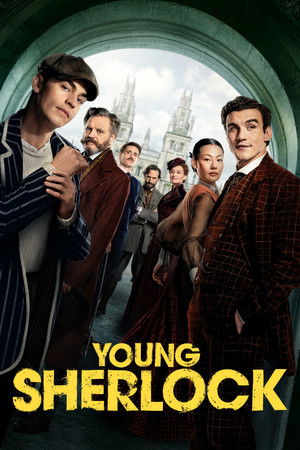 While the world has seen countless iterations of Holmes, Ritchie's promise to explore the detective as a "young man" grappling with a murder at Oxford isn't just a prequel—it's an origin story for a legendary mind. This isn't about the deerstalker and pipe; it's about the formative experiences that forged the world's greatest deductive genius, perhaps even the traumas that shaped his eccentricities. Audiences aren't just looking for clever mysteries; they're hungry to understand the why behind the genius, the human beneath the myth. It's a testament to the enduring appeal of profound character studies, even when those characters are centuries old.
Rivals: The High Stakes of Human Nature
Even outside the crime and mystery genres, this shift towards character-driven intensity is palpable. Take Rivals, the adaptation of Jilly Cooper's iconic novel.
 At first glance, it's a social drama of scandal and ambition among the British elite. But beneath the glittering surface, it's a ferocious exploration of power dynamics, loyalty, betrayal, and raw human desire. The "rivals" aren't merely competing for status; they're locked in psychological warfare, driven by their deepest insecurities and most ruthless ambitions. This is a show that thrives on the intricate dance of human relationships, where every glance, every whispered word, every calculated move reveals a layer of character depth. It reinforces that drama, at its core, is about people, not just plot points.
The Audience's Demand for Depth
What does this collective pivot toward psychological complexity and character-driven narratives tell us about today's audience? It reveals a sophisticated viewership, one that has outgrown the simplistic binaries of good versus evil. We've matured, collectively, into a demographic that craves authenticity, vulnerability, and the uncomfortable truths of the human condition. We want to understand why people do what they do, even when it's ugly, even when it's difficult. This aligns with a broader cultural trend, as discussed in Beyond Escapism: Why TV's Unflinching Truths Define Our Era, where viewers actively seek out narratives that mirror real-world complexities. Furthermore, as noted in Beyond Spectacle: Why Awards TV Favors Nuance Now, the industry itself is rewarding these more nuanced storytelling approaches. It's not enough to be entertained; we demand to be challenged, provoked, and given a glimpse into the mechanics of the mind.
Editor's Verdict
With Michelle Yeoh delivering what promises to be a career-defining performance, The Savant is poised to redefine the psychological thriller, offering a masterclass in tension and character depth that elevates the genre to art.
The Future of TV: Minds Over Matter
This isn't a fleeting trend; it's a fundamental shift. The future of television will increasingly prioritize internal landscapes over external ones. We'll see more shows that challenge us to empathize with the morally compromised, to dissect the motivations of the brilliant and the broken, and to appreciate the intricate dance of the human psyche. The spectacle will always have its place, but the true triumphs of television in the coming years will be those that dare to look inward, offering us a mirror to our own fascinating, flawed, and utterly complex humanity. Get ready to think, not just to watch. And if you agree, like this post!
FAQ
What is The Savant about?
The Savant is an upcoming miniseries starring Michelle Yeoh as a forensic psychiatrist tracking a serial killer, delving deep into the psychological complexities of both the hunter and the hunted.
Who is starring in Young Sherlock?
Guy Ritchie is directing the upcoming Young Sherlock series, which focuses on the iconic detective's formative years at Oxford, exploring the origins of his brilliant mind.
Why are psychological dramas trending in TV?
Audiences are increasingly seeking sophisticated, character-driven narratives that explore complex human motivations and psychological depth, moving beyond simplistic plots and binary moralities for a more authentic viewing experience.