The Universe Expansion: TV's Obsession with Legacy and Lore
From Godzilla's sprawling Monsterverse to intricate alternate histories, audiences demand intricate worlds, but is true originality getting lost in the shuffle?
The entertainment landscape of 2026 is less a tapestry of diverse stories and more a sprawling, interconnected web of familiar intellectual property. We're living in the era of the 'universe expansion,' where every successful film franchise is expected to metastasize onto the small screen, offering supplemental lore, bridging narrative gaps, and perpetually setting up the next thing. This isn't just about sequels anymore; it's about an insatiable appetite for continuity, for worlds that never truly end, and for narratives that feel less like standalone journeys and more like an endless, intricately planned marathon. But what does this relentless push for interconnectedness mean for the actual quality and originality of our sci-fi and fantasy television?
Anticipating the Next Wave of World-Building TV
For those tracking the evolution of televised sci-fi and fantasy, this cultural shift presents both exciting prospects and genuine concerns. Here's what we're dissecting in this piece:
- The Reign of the Cinematic Universe on TV: How major film franchises are colonizing the small screen.
- Monarch: Legacy of Monsters as a prime example of this trend, both its strengths and limitations.
- The Enduring Power of Original World-Building: Why shows like For All Mankind prove innovation still thrives.
- The Rise of Global Storytelling: How international hits like LINK CLICK offer a refreshing counter-narrative.
- What Audiences Truly Crave: Balancing comfort food IP with genuine narrative daring.
Godzilla's Shadow: The Monsterverse Expands
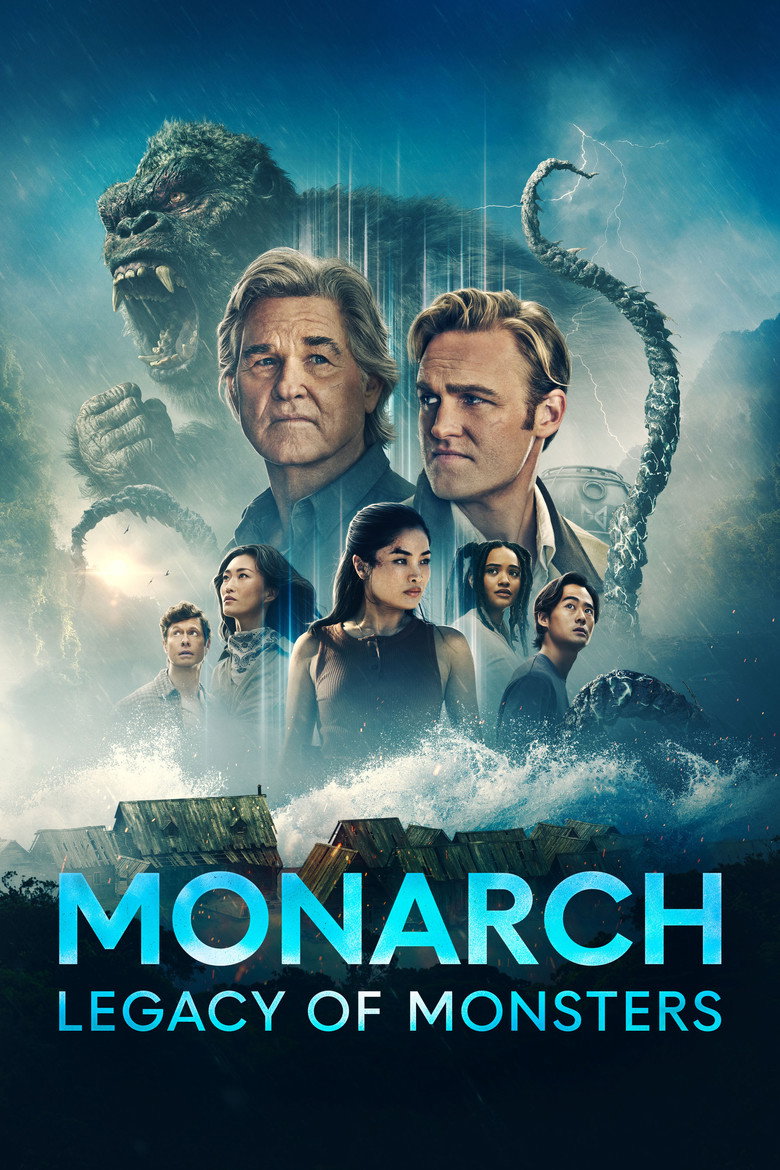
No show exemplifies this universe-first mentality quite like Monarch: Legacy of Monsters. Following the earth-shattering events of Godzilla and Godzilla: King of the Monsters, this series isn't just a spin-off; it's the connective tissue, the deep dive into the shadowy organization that has been tracking these colossal creatures for generations.
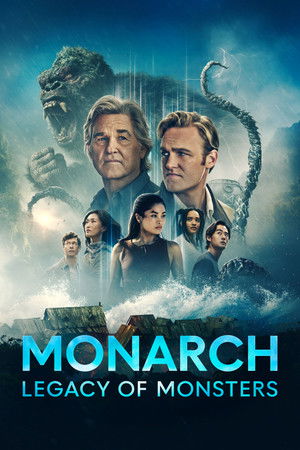
It’s a bold undertaking, attempting to weave new, intimate human dramas into the fabric of a kaiju-sized cinematic universe. When it works, like in its meticulously rendered historical sequences and the sheer awe of a newly revealed Titan, it’s a masterclass in scale and mood. The show’s strength lies in its ability to fill in the blanks of a world we thought we knew, making the big-screen monster brawls feel even more impactful. Yet, its reliance on servicing the larger Monsterverse narrative occasionally sidelines its human characters, reducing them to exposition machines rather than fully realized individuals. It's a trade-off: deep lore for sometimes shallower personal stakes. It's the kind of complex world-building that many sci-fi fans crave, as explored in our recent post, Cosmic Cops & Dystopian Dreams: Ranking Sci-Fi TV's Next Wave.
The Allure of 'What If': Originality in Alternate History
Contrast this with a series like For All Mankind. While also a sprawling epic that builds an incredibly detailed world across decades, it's a universe of its own making.
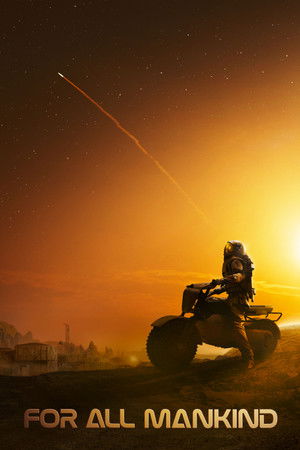
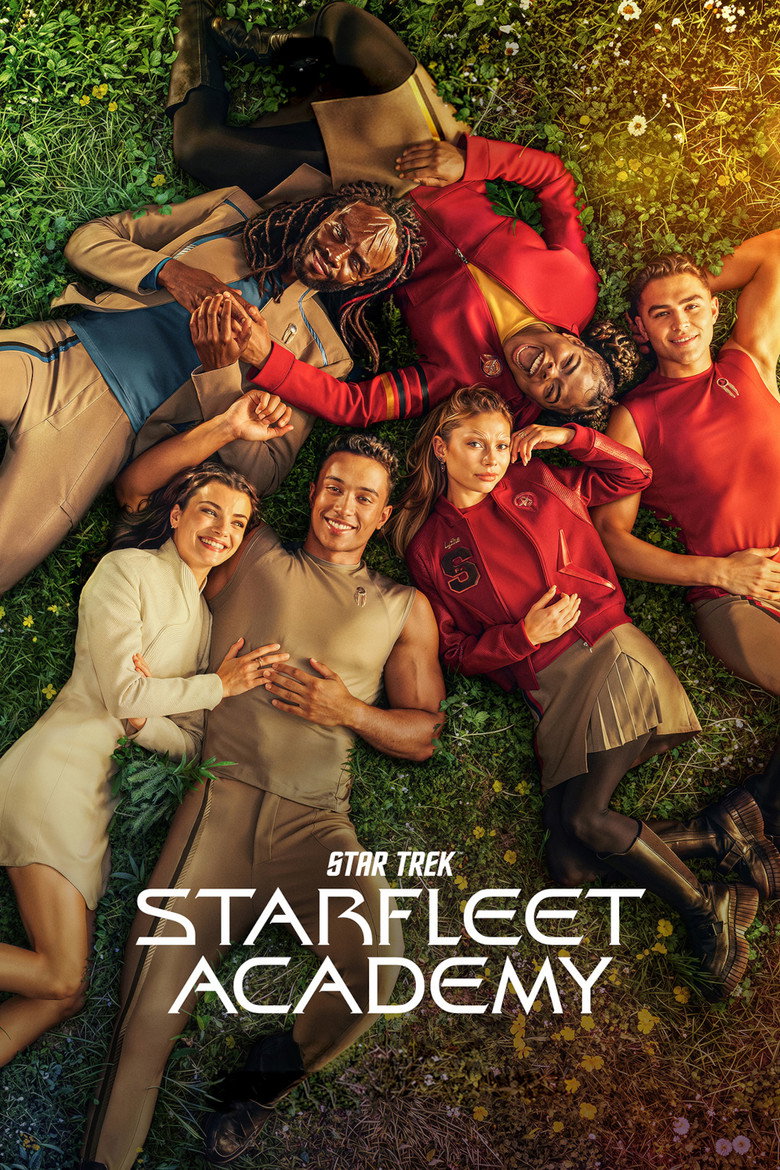
This show doesn't rely on pre-existing IP; its entire premise is a brilliant 'what if' – what if the Soviets landed on the moon first? – which then cascades into a truly original alternate history of the space race and beyond. Its world-building is organic, driven by character choices and historical divergence, not by fitting into a pre-established mythology. The tension and triumphs feel earned, because the stakes aren't just about advancing a franchise; they're about the deeply personal consequences of an altered human trajectory. This is the kind of ambitious, intellectual sci-fi that proves originality can still command massive budgets and even larger fanbases, reminding us that there's more to sci-fi than just reboots and tie-ins, a sentiment we’ve echoed in pieces like "Star Trek: Starfleet Academy" Isn't Bad, It's Bold—You're Just Not Ready.
Beyond Hollywood: The Global Pulse of Innovation
Then there’s the burgeoning influence of international animation, exemplified by a show like LINK CLICK. This Chinese animated series is a masterclass in high-concept sci-fi, blending time travel, mystery, and profound emotional depth through the unique premise of 'photo diving' to solve cold cases.
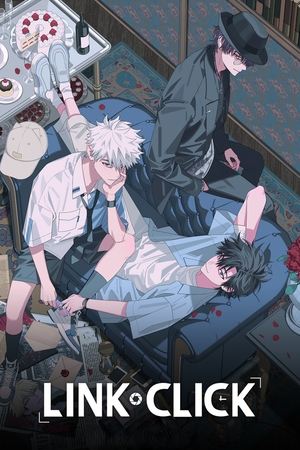
It's visually stunning, narratively intricate, and utterly fresh because it operates outside the typical Hollywood machine and its universe-building imperatives. LINK CLICK demonstrates a global hunger for compelling, original stories that prioritize ingenious plotting and character development over brand recognition. These shows prove that audiences are willing to venture beyond their comfort zones for truly imaginative experiences, a testament to the idea that compelling narratives transcend language barriers.
The Audience Equation: Comfort vs. Challenge
What this diverse landscape tells us is that audiences are sophisticated, if a little conflicted. We crave the comfort and expansive lore of established universes like the Monsterverse, enjoying the fan service and the deep dives into familiar mythology. But there's also a clear, urgent demand for the audacious originality seen in For All Mankind, where world-building is a consequence of narrative daring, not a prerequisite for existence. And crucially, the success of international phenomena like LINK CLICK proves that the hunger for truly new ideas, unburdened by legacy, is stronger than ever. Viewers want worlds that feel lived-in and complex, whether they're built on decades of film history or spun entirely from brilliant imagination.
Editor's Verdict
Monarch: Legacy of Monsters delivers a compelling expansion of a beloved universe, offering satisfying monster action and intriguing lore that ties directly into the cinematic films. While its human drama can occasionally feel secondary to the overarching mythology, it's an essential watch for any Monsterverse devotee.
Editor's Rating: 8/10
The Future: Bifurcation and Boldness
The trajectory of sci-fi and fantasy TV appears to be bifurcating. On one hand, the mega-franchises will continue their relentless expansion, turning every film, book, or comic into a sprawling, interconnected narrative web on television. The streaming wars ensure that platforms will continue to leverage known quantities to attract and retain subscribers. On the other hand, a powerful counter-current of original, often internationally produced, works will rise. These shows will prioritize inventive concepts, nuanced character work, and self-contained (or at least, distinct) storytelling. The future audience won't settle for just more; they'll demand better, whether that better comes from a familiar universe or one they've never seen before. The challenge for creators will be to make every 'legacy' feel fresh, and every 'original' feel legendary. Like this post if you agree, or even if you just like giant monsters!
FAQ
What defines a 'cinematic universe' TV show?
A cinematic universe TV show expands on an existing film franchise, sharing characters, storylines, and lore. It often bridges gaps between movies or delves deeper into established mythology, aiming for interconnected storytelling across different media.
Is original sci-fi and fantasy TV still being produced amidst all the spin-offs?
Absolutely. While universe expansions are prominent, there's still a strong appetite for original sci-fi and fantasy, often seen in shows like 'For All Mankind' or international productions like 'LINK CLICK,' which prioritize unique concepts and fresh narratives.
Where can I watch 'Monarch: Legacy of Monsters'?
'Monarch: Legacy of Monsters' is available for streaming on Apple TV+.