Dune's Prophetic Desert: Why Herbert's Masterpiece Haunts 2026
Beyond the sand and spice, Frank Herbert's epic remains a harrowing, vital blueprint for understanding our world's ecological, political, and messianic pitfalls.
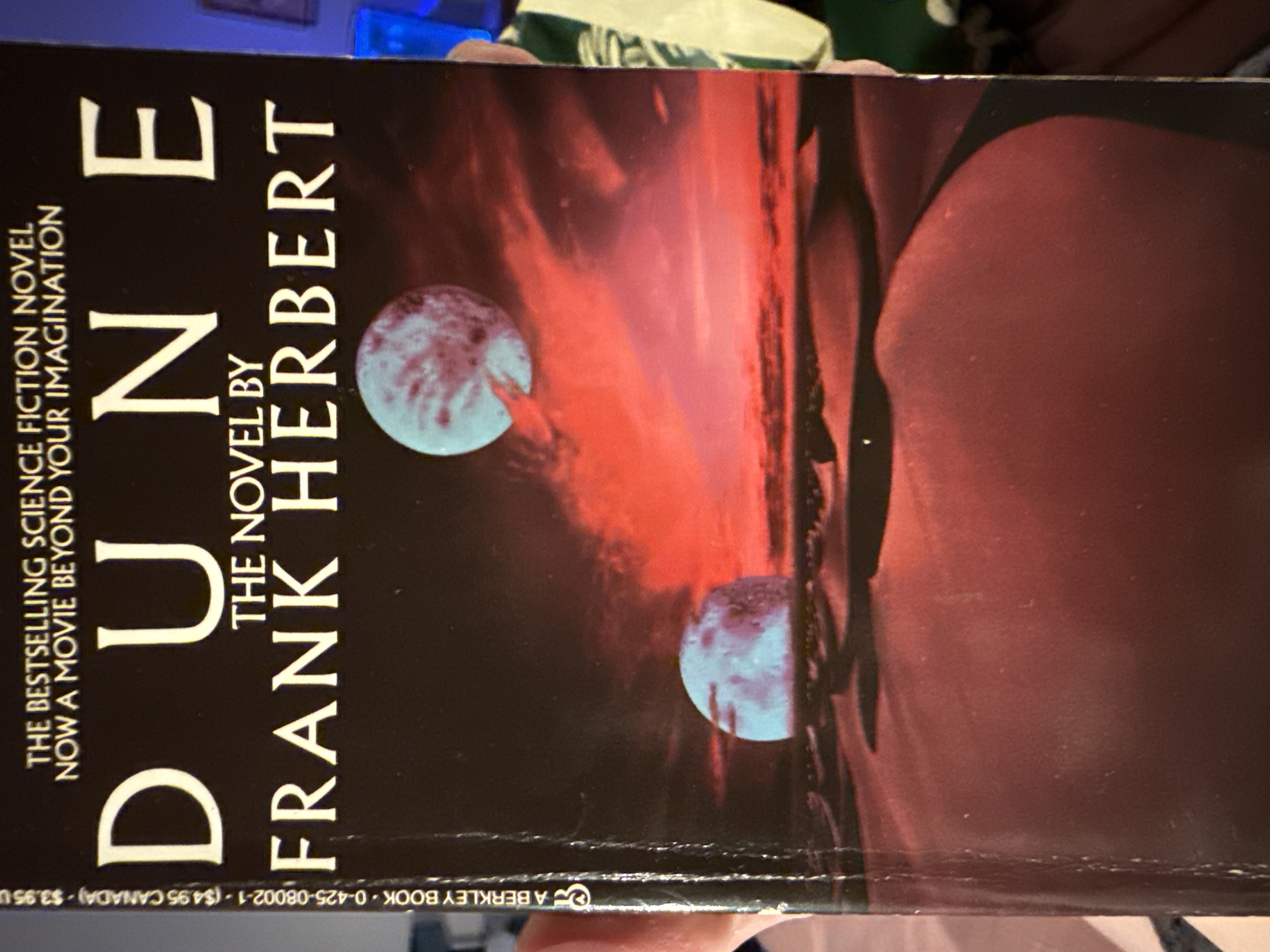
It's May 2026, and the world feels increasingly like a slow-burn dystopia: resource wars loom, environmental collapse whispers at the edges of every news cycle, and charismatic, often dangerous, figures rise and fall with alarming frequency. It’s no wonder then that Dune, Frank Herbert’s seminal 1965 novel, continues to trend. Dismiss it as mere science fiction at your peril; Herbert didn't just write a space opera, he penned a chillingly prescient sociological and ecological prophecy that feels less like fiction and more like a historical document of our future.

Unearthing Dune's Enduring Relevance in a Volatile World
Dune is more than just a foundational text for science fiction; it's a mirror reflecting our deepest anxieties and most dangerous tendencies. This deep dive will explore:
- The intricate ecological vision of Arrakis and its haunting echoes in our current climate crisis.
- Herbert's masterful subversion of the hero's journey, exposing the perils of messianic leaders.
- The timeless Machiavellian political machinations and resource control that drive the galactic empire.
- How Dune's intellectual rigor sets it apart from more conventional genre fare.
The Ecology of Arrakis: A Parable for a Thirsty Planet
Forget the giant sandworms for a moment—the true genius of Dune's world-building lies in its meticulous depiction of Arrakis's ecology. Herbert didn't just invent a desert planet; he crafted an entire hydrological cycle, a biosphere desperately clinging to existence, all centered around a single, precious resource: water. The Fremen, Arrakis's native inhabitants, are a people defined by scarcity. Their very culture, their language, their rituals, revolve around water conservation. They wear stillsuits that reclaim every drop of moisture, live in sietches carved into rock, and dream of transforming their arid world into a verdant paradise. This isn't just imaginative; it's a stark, undeniable allegory for Earth in 2026. As nations grapple with unprecedented droughts, melting ice caps, and the specter of water wars, Herbert's vision of Arrakis as a planet where water is more valuable than gold resonates with terrifying clarity. The spice melange may be the economic driver of the universe, but water is the lifeblood of Arrakis, a lesson our own world is learning the hard way. It's a masterclass in how environmental conditions shape culture, politics, and destiny, a concept many contemporary
FAQ
Is Dune hard to read?
Dune can be dense due to its intricate world-building, political machinations, and philosophical depth, but its compelling narrative makes the effort rewarding for those seeking rich, thought-provoking science fiction.
What are the main themes of Dune?
Key themes include ecology and environmentalism, the dangers of charismatic leadership, the intertwining of religion and politics, human evolution, and the nature of power and control.