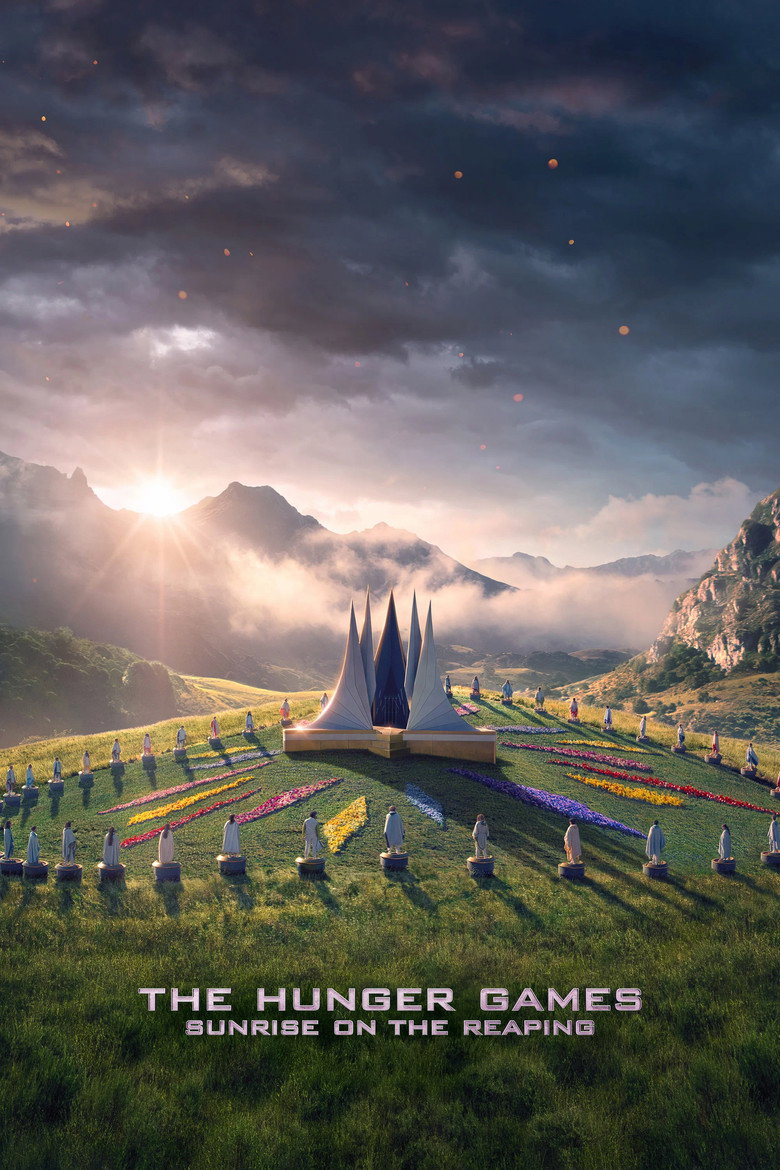
The Brutal Appeal of Panem: Why Gen Z Clings to The Hunger Games
More than a dystopian thrill, Suzanne Collins' saga taps into a deep, generation-defining anxiety about control and precarity.
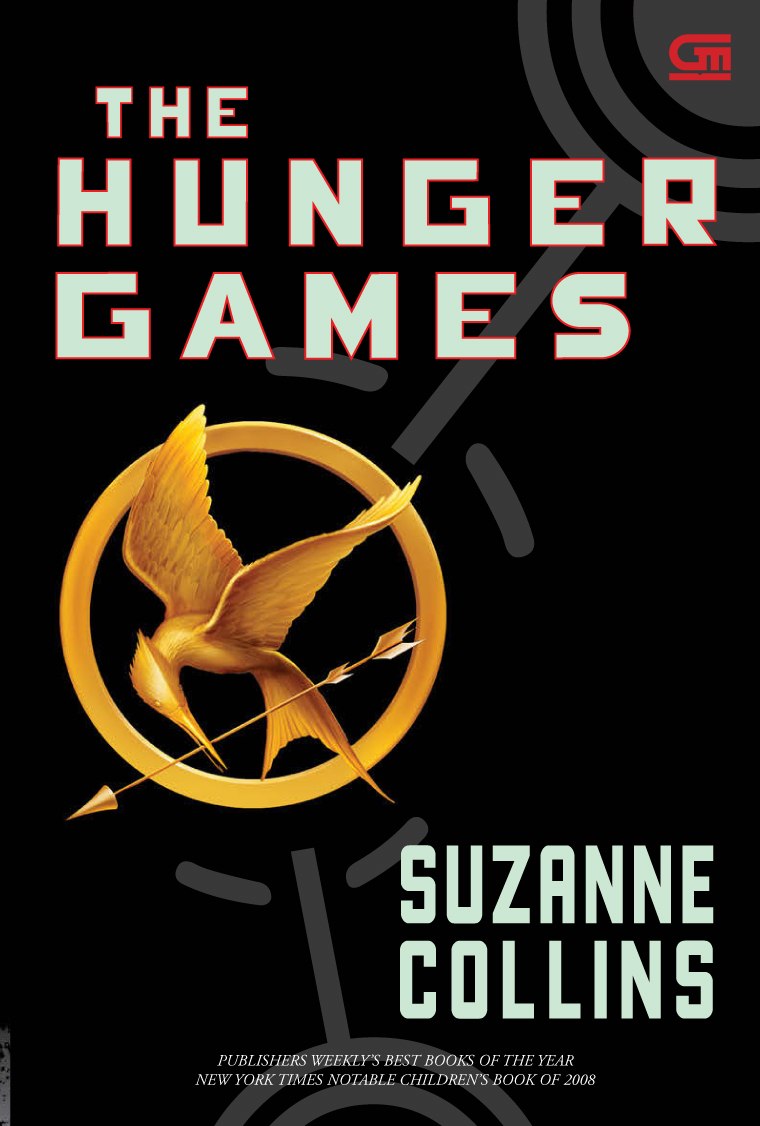
In an era defined by accelerating climate crises, economic uncertainty, and a pervasive sense of powerlessness against monolithic systems, it's hardly surprising that a generation raised on TikTok and global headlines finds solace, or perhaps catharsis, in narratives of brutal survival. This isn't just about enjoying a good story; it's about seeing their own anxieties reflected, amplified, and, crucially, fought against. The enduring, trending appeal of The Hunger Games in April 2026 isn't a mere nostalgia trip; it's a stark cultural barometer for Gen Z's collective unease.
Understanding Gen Z's Dystopian Obsession
- The enduring cultural relevance of The Hunger Games
- How YA dystopias mirror real-world anxieties
- The evolution of control narratives from classic dystopias to modern YA
- Why spectacle and survival resonate deeply with young readers today
Panem's Echoes: Spectacle, Scarcity, and Systemic Cruelty
Suzanne Collins' The Hunger Games isn't just a book; it's a cultural phenomenon that, over a decade after its release, continues to capture the zeitgeist. Katniss Everdeen's grim determination to survive the televised brutality of the arena, a grotesque punishment for past rebellion, resonates with a generation acutely aware of being 'watched' – whether by algorithms, social media, or surveillance capitalism. The Capitol's opulence juxtaposed with the Districts' starvation isn't merely fictional; it mirrors the glaring wealth disparity that defines their lived experience. Gen Z didn't invent dystopian anxieties, but Collins gave them a compelling, youthful lens through which to process them.

What truly sets The Hunger Games apart from its dystopian forebears is its focus on active, televised resistance by youth. Unlike the slow, internal suffocation portrayed in, say, George Orwell's 1984, where Winston Smith's rebellion is largely intellectual and ultimately crushed, Katniss is a defiant symbol. Her struggle is externalized, public, and, despite its horrific nature, offers a glimmer of agency. The very act of fighting back, even within a rigged system, speaks volumes to a generation that feels perpetually on the defensive, navigating a world not of their making.
From Silent Screams to Public Spectacles: Dystopia's Evolution
Consider the difference between Orwell's chilling vision and Collins' brutal arena. 1984 painted a world where thought itself was criminal, and dissent was extinguished in the dark, silent rooms of the Ministry of Love. Control was absolute, insidious, and largely invisible until it was too late. George Orwell's companion novel, Animal Farm, offered a more allegorical critique of totalitarianism through the lens of political upheaval, focusing on the corruption of ideals. For a deeper dive into Orwell's brilliance, check out our piece on Orwell's Dystopian Showdown: 1984 vs. Animal Farm.

Gen Z's reality is less about hidden thought police and more about public performance, curated identities, and data surveillance. The Capitol's carefully constructed image and the forced performance of the tributes perfectly mirror the performative aspects of modern life, where one's 'brand' can be both a shield and a weapon. The Hunger Games isn't just about survival; it's about surviving under the gaze of millions, a concept disturbingly familiar to anyone who's grown up with social media.
The Future is Now: A Call to Arms, or a Mirror Held Up?
What does the persistent popularity of The Hunger Games tell us about audiences today? It reveals a deep-seated desire not just for escapism, but for narratives that validate existing anxieties. Readers aren't seeking to forget the world's problems; they're looking for stories that acknowledge their struggle, where young protagonists, despite immense odds, find ways to resist, to hope, and to disrupt. They want to see what collective action might look like, even if it begins with a single, defiant gesture.
Moving forward, expect this trend to intensify. Authors who can articulate the quiet desperation and the simmering rage of a generation inheriting a complex, often frightening world will continue to dominate. These aren't just books; they're cultural touchstones, providing a vocabulary for fears that feel too large to name. The 'Game' might be fictional, but the anxieties it taps into are chillingly real, and for Gen Z, the rebellion has only just begun.
Editor's Verdict
Editor's Verdict: Suzanne Collins' masterpiece isn't just a thrilling read; it's a chillingly prescient mirror to generational fears, its brutal honesty echoing louder than ever in 2026. A vital text for understanding the contemporary youth experience.
FAQ
Why is The Hunger Games still popular in 2026?
The Hunger Games remains popular because its themes of systemic oppression, wealth disparity, televised spectacle, and youthful rebellion resonate strongly with Gen Z's anxieties about the future and their role in a complex world.
How do modern YA dystopias like The Hunger Games differ from classics like 1984?
Modern YA dystopias often feature active, youth-driven protagonists fighting against visible, often spectacularized, oppression, in contrast to classics like 1984 which focus on more insidious, internal, and adult-centered forms of totalitarian control.
What core themes make The Hunger Games particularly resonant with young audiences?
Young audiences connect with The Hunger Games' themes of perceived powerlessness against authority, the struggle for agency, the impact of media and surveillance, and the quest for survival and identity in a world they feel is rigged against them.