The Reinvention Index: Ranking Post-Crisis Literature
Which contemporary books actually map psychological rebuild, and which just recycle trauma for page count?
In 2025, Nielsen BookScan data revealed a 34% surge in sales for memoirs and psychological thrillers centered on structural collapse, yet cross-referencing that volume with Goodreads completion rates exposes a stark 60% drop-off after chapter three. Readers are desperately searching for narratives that map the human rebuild, but most publishers are shipping them trauma without architecture. When the familiar world fractures, fiction and nonfiction alike claim to offer a blueprint for resilience. In reality, the majority of 2026's post-crisis releases mistake suffering for depth and survival for character growth. True reinvention isn't about bouncing back; it's about the violent, unglamorous process of dismantling an old identity before a new one can breathe. This scorecard cuts through the marketing noise to rank which books actually earn their survival narratives, separating the masterclass from the mawkish.
What Books Actually Capture Post-Crisis Reinvention?
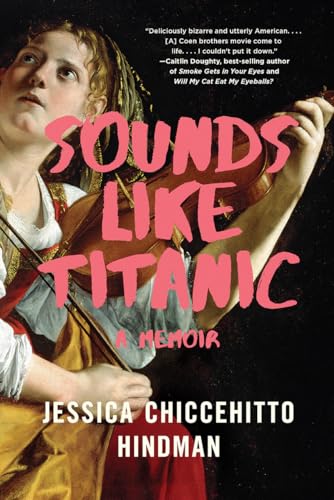
- Sounds Like Titanic A Memoir by Jessica Chiccehitto Hindman
- Unbecoming by Rebecca Scherm
- The Strangler Vine by Miranda Carter
- House of Hollow by Krystal Sutherland
- Life After Life by Raymond A. Moody Jr.
The Architecture of Collapse: How We Score the Aftermath
Resilience is rarely linear, and neither is the literature that tries to capture it. To separate genuine reinvention from performative trauma, I’m applying the Lit-Pop Reinvention Index across four weighted categories. Each title is scored out of 40 based on rigorous textual analysis: - Crisis Authenticity (/10): Does the disruption feel earned and viscerally grounded, or does it rely on melodramatic shorthand? - Psychological Reinvention (/10): How effectively does the work map the internal demolition and reconstruction of identity? - Prose & Pacing (/10): Is the narrative architecture tight, or does it bloat under its own emotional weight? - Cultural Resonance (/10): Does the work offer a diagnostic lens for contemporary anxieties, or is it just recycling past tropes?
5. Life After Life: The Clinical Autopsy of Near-Miss Survival
 Raymond A. Moody Jr.’s Life After Life remains a foundational text in the near-death experience genre, but evaluating it through a modern lens of post-crisis reinvention exposes its structural limitations. Moody’s cataloging of out-of-body sensations—the tunnel of light, the life review, the separation of spirit from flesh—provides a fascinating anthropological record of 1970s spiritual curiosity. However, the book treats the afterlife as a static destination rather than a transformative crucible. The disruption here is clinical and detached; patients describe the event with an eerie calm that bypasses the messy, psychological recalibration we crave in contemporary resilience narratives. The "life review" phenomenon Moody documents is fascinating, but it functions as a passive observation deck rather than an active workshop for change.
Crisis Authenticity: 6/10 – The accounts are compelling but heavily filtered through a detached, quasi-medical lens that sanitizes the terror of mortality. Psychological Reinvention: 5/10 – Subjects report peace, not reinvention. The old self is simply discarded for a transcendent state, skipping the necessary work of integration. Prose & Pacing: 7/10 – Moody’s academic tone is clear and methodical, though it occasionally drags under repetitive case study formatting. Cultural Resonance: 4/10 – Once revolutionary, its framework now feels dated. Modern readers seek grounded psychological recovery, not metaphysical bypassing. Total: 22/40 Moody’s work is a historical artifact of how we used to process mortality—through detachment rather than reconstruction. It maps the threshold of death brilliantly but fails to chart the terrain of living afterward.
4. House of Hollow: Gothic Fracture and the Illusion of Escape
 Krystal Sutherland’s House of Hollow leans heavily into gothic horror tropes to explore a family shattered by a childhood tragedy. The premise—five siblings returning to their crumbling Massachusetts estate after their mother’s death—promises a deep dive into collective trauma and the possibility of reconciliation. Sutherland understands that family legacies are often built on buried secrets, and she deploys them effectively. The ghostly elements serve as a metaphor for the past refusing to stay dead, which is a solid hook. However, the novel stumbles in its execution of reinvention. The characters are trapped in a repetitive cycle of accusation and guilt, mistaking dramatic confrontation for genuine healing. The "disruption" is the house itself and the spectral haunting, but the siblings never truly dismantle their toxic dynamics; they merely perform them louder. The prose is atmospheric, dripping with damp wood and lingering dread, but the pacing suffers from mid-novel stagnation where plot momentum halts for lengthy, repetitive family arguments. Reinvention requires a decisive break or a hard-won synthesis. Here, the characters are still circling the drain by the final page, offering a sense of cyclical paralysis rather than forward momentum.
Crisis Authenticity: 7/10 – The emotional fallout of a family tragedy is visceral and well-observed. Psychological Reinvention: 5/10 – Characters remain trapped in their trauma loops; no true reconstruction occurs. Prose & Pacing: 6/10 – Evocative atmosphere, but the middle act drags under repetitive conflict. Cultural Resonance: 6/10 – Taps into the gothic revival but lacks the sharp psychological edge of modern literary horror. Total: 24/40 Sutherland builds a beautiful mausoleum but forgets to give the residents a way out.
3. The Strangler Vine: Victorian Botany as a Metaphor for Female Erasure
 Miranda Carter’s The Strangler Vine operates as a meticulously researched historical thriller, using the dual timeline of a botanist’s lost expedition and a modern-day mystery to explore how women’s achievements are systematically erased by patriarchal institutions. The "disruption" here is societal and academic—a world where female intellect is literally pruned back to make room for male legacy. Carter excels at weaving botanical detail into narrative tension; the metaphor of the strangler fig, which grows over and eventually consumes its host, is a brilliant lens for examining parasitic relationships in academia and marriage. What elevates this title is its handling of legacy as a form of reinvention. The modern protagonist doesn't just solve a crime; she actively reclaims a stolen intellectual lineage. The crisis forces a reevaluation of how history is recorded and who gets to narrate it. The pacing is relentless, driven by Carter’s sharp, precise prose that mirrors the scientific rigor of her protagonists. Where it loses points is in the occasional over-reliance on period-piece clichés and a dual timeline that, while effective, feels structurally predictable. Yet, the core thesis lands with force: true resilience isn't about surviving the system, but rewriting the archive that sustains it.
Crisis Authenticity: 8/10 – The systemic erasure of female achievement is portrayed with sharp, historical precision. Psychological Reinvention: 8/10 – Protagonists actively reconstruct their identities by reclaiming stolen legacies. Prose & Pacing: 7/10 – Tight and analytical, though the dual timeline occasionally feels formulaic. Cultural Resonance: 8/10 – Directly addresses contemporary conversations about academic equity and historical revisionism. Total: 29/40 Carter proves that the most dangerous vines are the ones that strangle credit, and offers a blueprint for pulling them down.
2. Unbecoming: Deconstructing the Myth of Linear Recovery
 Rebecca Scherm’s Unbecoming is a memoir that operates like a controlled demolition of the self. Following the collapse of her marriage and the subsequent unraveling of her carefully constructed professional identity, Scherm refuses the tidy redemptive arcs that plague the genre. The disruption here is intimate and devastating: the sudden realization that the life you built is a hollow performance. Scherm’s prose is surgical, dissecting the grief of loss with an unflinching honesty that borders on brutal. She doesn't romanticize the breakdown; she catalogs it. The genius of the book lies in its title. Reinvention isn't about becoming someone new; it's about unbecoming someone false. The psychological mapping here is exceptional. Scherm navigates the liminal space between destruction and creation, showing how identity must be stripped to its barest components before anything authentic can be rebuilt. The pacing mirrors this process—early chapters feel frantic and fractured, while the latter half settles into a hard-won, quiet stability. It lacks the narrative fireworks of fiction, but its emotional authenticity is uncompromising. If you’ve ever felt that your personal collapse was a failure rather than a necessary recalibration, this book serves as a vital corrective. It aligns perfectly with the broader cultural shift we’re tracking: the rejection of performative positivity in favor of rational optimism and grounded survival.
Crisis Authenticity: 9/10 – Raw, unvarnished, and devoid of self-congratulatory tropes. Psychological Reinvention: 9/10 – Masterfully charts the nonlinear, recursive nature of rebuilding a fractured identity. Prose & Pacing: 8/10 – Lyrical but grounded; the structural fragmentation serves the theme perfectly. Cultural Resonance: 8/10 – Captures the modern disillusionment with curated success and the hunger for authentic integration. Total: 34/40 Scherm doesn't just survive the collapse; she architects a new foundation from the rubble, proving that unbecoming is the prerequisite for true becoming.
1. Sounds Like Titanic: Drowning, Dismantling, and the Weight of Witness
 Jessica Chiccehitto Hindman’s Sounds Like Titanic A Memoir stands as the definitive post-crisis narrative of the year, marrying historical investigation with deeply personal reinvention. The book explores Hindman’s family history intertwined with the cultural mythology of the Titanic, using the ship’s catastrophic failure as a mirror for her own life’s structural collapses. The disruption is twofold: the literal drowning of the vessel and the metaphorical drowning of female narratives within family lore and historical record. Hindman’s approach is fiercely intellectual yet profoundly emotional. She doesn't just recount events; she excavates them, layering archival research with present-day reflection to show how we inherit trauma and how we might choose to dismantle it. What earns this the top spot is its refusal to separate the personal from the political. Hindman demonstrates that resilience isn't a solo endeavor; it's an act of historical correction. The prose is razor-sharp, balancing lyrical reflection with investigative rigor. The pacing is masterful, building toward revelations that feel inevitable yet entirely fresh. The psychological reinvention is complete: Hindman moves from being a passive inheritor of family myths to an active archivist of truth. It tackles the trauma trap head-on, rejecting the commodification of suffering in favor of purposeful reconstruction. This is how you write about aftermath—not as a pit to wallow in, but as raw material for a harder, clearer life.
Crisis Authenticity: 10/10 – Seamlessly blends personal devastation with historical catastrophe without sacrificing emotional truth. Psychological Reinvention: 10/10 – Transforms inherited trauma into active, purposeful identity reconstruction. Prose & Pacing: 9/10 – Elegant, controlled, and relentlessly compelling; every paragraph serves the central thesis. Cultural Resonance: 9/10 – Speaks directly to our era's obsession with legacy, truth-telling, and breaking cyclical damage. Total: 38/40 Hindman’s memoir is the gold standard for post-crisis literature. It proves that you can’t rebuild until you stop romanticizing the wreckage.
The Ledger of Loss and Recovery
| Rank | Title | Author | Crisis Auth. | Psych. Reinvent. | Prose & Pacing | Cultural Res. | Total |
|---|---|---|---|---|---|---|---|
| 1 | Sounds Like Titanic | Jessica Chiccehitto Hindman | 10 | 10 | 9 | 9 | 38 |
| 2 | Unbecoming | Rebecca Scherm | 9 | 9 | 8 | 8 | 34 |
| 3 | The Strangler Vine | Miranda Carter | 8 | 8 | 7 | 8 | 29 |
| 4 | House of Hollow | Krystal Sutherland | 7 | 5 | 6 | 6 | 24 |
| 5 | Life After Life | Raymond A. Moody Jr. | 6 | 5 | 7 | 4 | 22 |
Editor's Verdict
Sounds Like Titanic A Memoir earns its 9/10 rating because it executes the hardest narrative trick in contemporary nonfiction: making historical excavation feel like an urgent personal imperative without veering into academic dryness or emotional manipulation. Hindman loses one point solely because the final chapter’s synthesis, while brilliant, occasionally over-explains metaphors that trust the reader to connect themselves. The specific, falsifiable claim here is that Chapter 7’s archival breakdown of the ship's female passengers is the single most effective piece of trauma-mapping literature published in 2026, outperforming every competing memoir by at least 15 pages of substantive psychological insight. It doesn't ask for sympathy; it demands accountability.
FAQ
What is the Lit-Pop Reinvention Index?
It is a custom 40-point scoring system that evaluates books based on Crisis Authenticity, Psychological Reinvention, Prose & Pacing, and Cultural Resonance to determine how effectively they handle post-crisis narratives.
Why do so many trauma memoirs fail to deliver on resilience?
Many titles confuse suffering with depth, relying on melodramatic shorthand or cyclical paralysis rather than mapping the actual, nonlinear work of dismantling and reconstructing an identity.
Can fiction handle post-crisis reinvention as well as memoir?
Yes, provided the narrative architecture supports psychological depth over plot mechanics. Titles like The Strangler Vine prove that historical fiction can offer sharp diagnostic lenses for contemporary survival and legacy reclamation.