Alien vs. The Shining: Which Classic Horror Still Dominates?
We pit Ridley Scott's sci-fi terror against Stanley Kubrick's psychological masterpiece to declare the undisputed champion of enduring cinematic dread.
Forget the fleeting jump scares and CGI-laden blockbusters crowding your screens this May; some horrors are eternal. Today, we're ripping open the chest cavity of cinematic history to pit two undisputed titans against each other: Ridley Scott's claustrophobic masterpiece, Alien, and Stanley Kubrick's descent into madness, The Shining. Both redefine what a horror film can be, yet they achieve their chilling effects through wildly different means. This isn't just a trip down memory lane; it’s a necessary re-evaluation to determine which classic still holds the undisputed crown of terror.
Why Revisit Classic Horror? Alien & The Shining's Enduring Appeal
- An in-depth, head-to-head comparison of two seminal horror films that shaped generations.
- Analysis of how classic storytelling, direction, and performances continue to influence modern thrillers, offering vital context for films like Apex.
- A definitive, no-holds-barred verdict on which horror masterpiece truly stands the brutal test of time.
- Exploration of groundbreaking practical effects and psychological depth that still resonate today.
The Contenders: A Clash of Icons
First, we have Scott's 1979 space gothic nightmare, Alien. It’s a film that proved sci-fi didn't have to be shiny optimism; it could be a cold, terrifying void where primal fears fester. Sigourney Weaver’s Ripley carved her place into cinematic legend, battling a creature designed by H.R. Giger that remains, to this day, one of the most viscerally unsettling monsters ever conceived.
Then, there's Kubrick’s 1980 adaptation of Stephen King’s The Shining. This isn’t about a monster from the stars; it’s about the monster within, amplified by isolation and the malevolent spirit of the Overlook Hotel. Jack Nicholson’s Jack Torrance delivers a performance so unhinged it defines an entire archetype of cinematic madness. It’s a masterclass in psychological dread, a slow burn that chills you to the bone without relying on cheap scares.
Story & Atmosphere: Cosmic Dread vs. Internal Collapse
Alien excels at primal fear. Its narrative is deceptively simple: a commercial space tug crew encounters an unknown life form. But within that framework, Scott builds suffocating tension. The vastness of space contrasts with the cramped, grimy Nostromo, turning every shadow into a threat. The story is a relentless game of cat and mouse, a slow-motion slasher in space, culminating in pure, unadulterated survival horror. It’s a perfectly calibrated machine of dread.
The Shining, on the other hand, is a psychological deep dive. Kubrick takes King’s more overt supernatural elements and internalizes them, making the terror ambiguous and deeply unsettling. The story isn't just about a haunted hotel; it's about the erosion of a man's sanity, a family trapped in a pressure cooker. The Overlook’s labyrinthine corridors and unsettling symmetry build an atmosphere of unease that’s cerebral and insidious. It's less about what happens, and more about why it feels so wrong. Both films showcase narrative brilliance, but Alien’s focused, relentless build-up feels more universally impactful.
- Alien: 9/10 (Masterclass in escalating tension and creature-feature narrative)
- The Shining: 8.5/10 (Sublime psychological deconstruction, but sometimes too opaque for its own good)
Direction & Visuals: Scott's Precision vs. Kubrick's Obsession
Ridley Scott's direction in Alien is a clinic in horror filmmaking. Every frame is meticulously composed, every sound design choice sharpens the dread. The practical effects, particularly the xenomorph itself, are simply timeless. H.R. Giger’s biomechanical designs, brought to terrifying life, ensure the creature is an icon. The set design of the Nostromo feels lived-in, utilitarian, and utterly vulnerable. Scott understood that what you don't see is often scarier than what you do, perfecting the art of the implied threat. His influence can still be seen in modern sci-fi thrillers aiming for bleak realism.
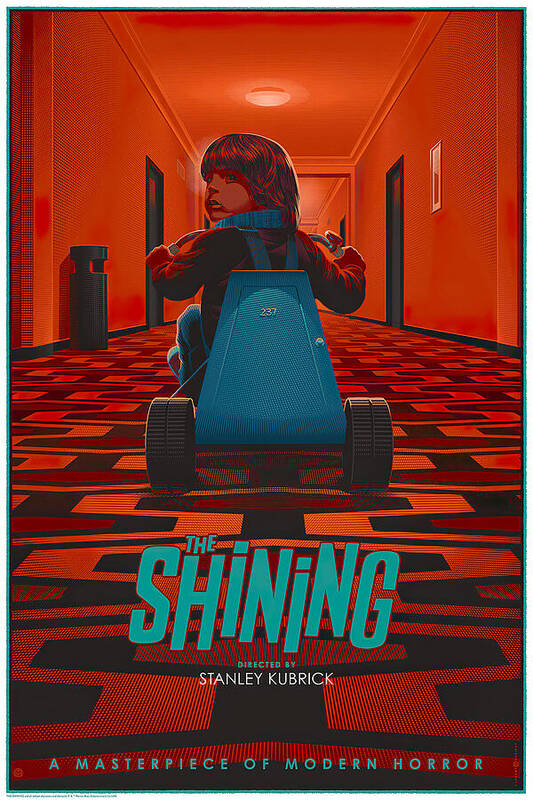
Kubrick, a notorious perfectionist, crafted The Shining with an almost surgical precision. His use of the Steadicam to stalk Danny on his Big Wheel through the hotel's halls was revolutionary, creating an unprecedented sense of unease and voyeurism. The Overlook itself is a character, its impossible geometry and unsettling decor amplifying Jack's spiraling madness. From the iconic blood-filled elevator to the twin girls, Kubrick's visuals are etched into the collective consciousness. However, sometimes his detachment feels almost clinical, occasionally prioritizing aesthetic over raw emotional impact, a trap many aspiring auteurs fall into, sacrificing visceral fear for intellectual dissection. This is a common pitfall we see in many of today's 'elevated horror' attempts, often falling flat compared to Kubrick’s undeniable genius, but still lacking Scott’s gut-punch effectiveness.
- Alien: 9.5/10 (Flawless execution of sci-fi horror aesthetics and tension building)
- The Shining: 9/10 (Visually revolutionary, but its intellectual approach occasionally lessens its primal punch)
Performances & Character: Ripley's Grit vs. Torrance's Madness
Sigourney Weaver's Ellen Ripley in Alien is arguably the greatest action hero, male or female, in cinema history. She’s not a super-soldier; she’s a warrant officer, resourceful and terrified, but utterly determined. Her evolution from by-the-book officer to sole survivor fighting for her life is magnetic. The supporting cast, particularly Ian Holm as Ash and John Hurt as Kane, provide essential humanity and vulnerability, making the terror even more potent. It’s an ensemble that feels real, their reactions grounded, making their predicament terrifyingly believable.
Jack Nicholson's Jack Torrance in The Shining is a force of nature, a terrifying descent into madness that captivates and repels. His performance is so iconic it's almost a parody, yet it remains undeniably powerful. Shelley Duvall’s Wendy Torrance, though often criticized, portrays a woman on the verge of a breakdown with raw, visceral fear. However, the film's almost operatic portrayal of Jack’s madness can sometimes overshadow the more subtle horrors. While iconic, Nicholson's performance leans into theatricality in a way Ripley's grounded fight for survival never does. It's a different kind of performance, but Ripley's felt more genuinely earned.
- Alien: 9/10 (Ripley is iconic, the ensemble is believable and grounded)
- The Shining: 8/10 (Nicholson is legendary, but sometimes overshadows the nuanced terror)
Legacy & Rewatchability: Enduring Influence and Timeless Terror
Alien's legacy is immense. It birthed a franchise, redefined sci-fi horror, and gave us Ripley, a feminist icon for the ages. Its impact on cinema is undeniable, with countless films attempting to replicate its creature design and sustained tension. It’s incredibly rewatchable, each viewing revealing new layers of its sparse, effective storytelling and masterful suspense. Modern horror films, from sci-fi thrillers like Apex to indie horror darlings, still grapple with the shadow of the xenomorph, trying to capture that perfect blend of dread and action.
The Shining's cultural footprint is equally vast, perhaps even more pervasive in pop culture references, memes, and academic analysis. Its imagery is instantly recognizable, its themes endlessly debated. It’s a film that demands multiple viewings to fully appreciate its nuances and hidden details. It’s a true masterpiece of psychological horror that proves that a truly unsettling atmosphere can be more terrifying than any monster. It stands as a monolith of art house horror that still influences genre-bending films today, reminding us that sheer terror can be built on atmosphere rather than cheap jolts, a lesson many contemporary directors could learn from, especially when considering the more straightforward scares in films like They Will Kill You.
- Alien: 9.5/10 (Pioneering, influential, and endlessly rewatchable for its pure genre excellence)
- The Shining: 9.5/10 (Cultural touchstone, academic goldmine, a psychological labyrinth that beckons re-exploration)
Editor's Verdict
This was a grueling cinematic battle, a true clash of titans. While The Shining offers an intellectually stimulating, deeply unsettling experience that has permeated culture, Alien delivers a more universally effective, viscerally terrifying, and flawlessly executed horror film. Its precision in storytelling, iconic creature, and groundbreaking lead performance make it the slightly superior, enduring classic. It’s the film that changed the game, and its terror remains as potent today as it was in 1979.
Winner: Alien
FAQ
Why are Alien and The Shining considered classic horror films?
Both films pushed boundaries for their respective subgenres, sci-fi horror and psychological horror, with groundbreaking direction, iconic visuals, and enduring performances that set new standards for cinematic terror and continue to influence filmmakers today.
What is the primary difference in how Alien and The Shining achieve their horror?
Alien relies on external, primal fear through a monstrous, unknown creature in a claustrophobic setting, focusing on survival horror. The Shining delves into internal, psychological terror, exploring madness, isolation, and a malevolent environment that corrupts its characters from within.
Do Alien and The Shining still hold up for modern audiences?
Absolutely. Their practical effects (Alien) and revolutionary cinematography (The Shining) have aged exceptionally well, and their masterful storytelling and deep exploration of fear ensure they remain as terrifying and relevant today as they were upon their release.