Cinematic Vision Scorecard: Trending Films Under the Lens
Forget the noise; we're dissecting the visual triumphs and failures of trending movies from 'The Mummy' to 'Avatar's' latest, judging every frame with an unforgiving eye.
The silver screen is a battleground of pixels and light, and too often, we're asked to accept visual mediocrity in the name of spectacle. Not on my watch. Today, we're stripping back the narrative and dissecting the very fabric of visual storytelling in some of April's most talked-about films. From meticulously crafted practical horrors to the boundless canvas of CGI, only true cinematic vision elevates a movie from mere moving pictures to an unforgettable experience. Let's see who mastered the light and who fumbled in the dark.
Unpacking Trending Movie Cinematography
This scorecard dives deep into what makes a film visually compelling (or utterly forgettable). Here's what we'll be scrutinizing:
- Detailed analysis of visual storytelling and directorial choices.
- Critique of unique aesthetic styles and color theory implementation.
- Examination of practical effects versus CGI integration and impact.
- A brutal, honest ranking of the visual prowess of new releases.
Our Scoring Methodology: The Lit-Pop Visual Verdict
To ensure our judgments are as sharp as a prime lens, we're scoring each film across three critical categories. A perfect score of 10 in any category is a rare beast indeed, reserved for true innovators. Most films, frankly, barely crawl out of the single digits.
- Visual Storytelling (/10): How effectively do the visuals convey narrative, emotion, and theme without dialogue? Does every shot serve a purpose, or is it just pretty wallpaper? A high score here means a film is a masterclass in showing, not telling.
- Aesthetic Originality (/10): Uniqueness of color palette, composition, and overall visual design. Does it break new ground, establish a distinct mood, or feel like a bland rehash of every other blockbuster? Generic visuals will be penalized mercilessly.
- Technical Execution (Practical vs. CGI) (/10): The quality of effects, their seamless integration, and whether the choice of practical or CGI serves the director's vision rather than just showing off. We value smart application over sheer volume of effects.
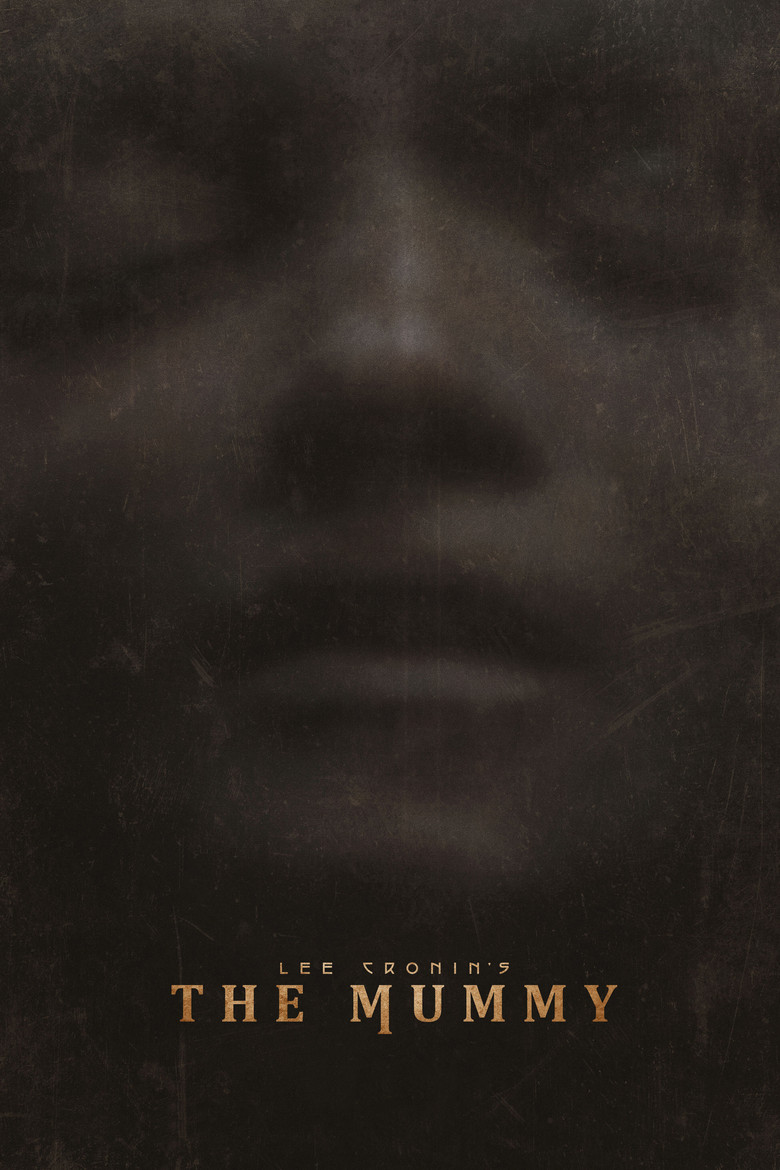
1. Lee Cronin's The Mummy
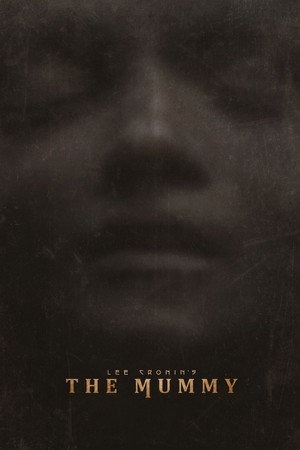
Cronin promised a grimier, more visceral take, and visually, Lee Cronin's The Mummy delivers on that front, albeit inconsistently. The opening sequences, drenched in oppressive shadows and flickering torchlight, evoke a genuine sense of ancient dread. There are moments of stark, beautiful horror — a wide shot of the unearthed tomb against a desolate desert landscape is genuinely chilling, using negative space to emphasize isolation. The color palette leans heavily into desaturated browns and grays, which is fitting for the subject but sometimes feels monotonous, lacking the vibrant, ominous contrast that truly great horror cinematography masters. For more on this monster, check out our earlier piece: Biopic Brilliance vs. Monster Mayhem: Fuqua's 'Michael' vs. Cronin's 'The Mummy'.
Where it stumbles is in its reliance on jump scares that often feel telegraphed by clunky close-ups, betraying its initial visual sophistication. The titular Mummy, while conceptually grotesque, suffers from CGI that occasionally feels a touch too polished against the grittier practical elements, creating a noticeable disconnect. It’s a valiant effort to inject visual terror into a tired franchise, but it often pulls its punches.
- Visual Storytelling: 6/10 (Strong start, but narrative beats get lost in generic horror tropes.)
- Aesthetic Originality: 5/10 (Desaturated dread isn't new, but some compositions stand out.)
- Technical Execution: 6/10 (Good practical work, but inconsistent CGI integration.)
Total: 17/30
2. Avatar: Fire and Ash
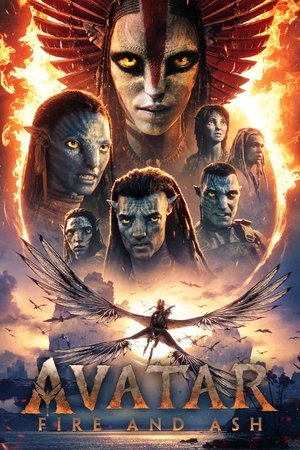
Another Avatar installment means another deluge of groundbreaking, yet paradoxically familiar, visual effects. Avatar: Fire and Ash is, undeniably, a technical marvel. The sheer scale and detail of Pandora remain unparalleled, with bioluminescent flora and fauna rendered with breathtaking precision. The color palette explodes with vibrant blues, purples, and fiery oranges, crafting a truly immersive alien ecosystem. Each frame is meticulously composed, transforming the CGI landscape into a living, breathing character in itself. For a different take on this film, see our previous article: Ditch the Blockbusters: Why 'Avatar: Fire and Ash' is NOT Your Friday Night Film.
However, this is where the genius often ends. While the visuals are stunning, they frequently overwhelm the narrative. The 'visual storytelling' often defaults to showing off new creatures or environments, rather than subtly advancing character arcs or emotional depth. It’s the visual equivalent of shouting when a whisper would suffice. The effects are flawless, a testament to what CGI can achieve, but the reliance on it means a complete absence of the grounding, tangible quality of practical work. It's a gorgeous painting, but one that sometimes forgets it needs a compelling story within its strokes.
- Visual Storytelling: 5/10 (Spectacle over substance; stunning, but emotionally distant.)
- Aesthetic Originality: 8/10 (Continues to push boundaries of digital world-building, though the 'Avatar' aesthetic is now established.)
- Technical Execution: 10/10 (Pure, unadulterated CGI mastery. Flawless within its chosen medium.)
Total: 23/30
3. The Drama

Ah, The Drama. A title so generic it practically screams
FAQ
What role does color play in a film's visual style?
Color palettes are crucial for establishing mood, tone, and character psychology. Desaturated tones often evoke grimness, while vibrant hues can suggest fantasy, energy, or specific emotional states, guiding the audience's subconscious perception of the story.
When is practical effects superior to CGI?
Practical effects often lend a tangible weight and realism that CGI struggles to replicate, particularly for creature design, gore, or environmental destruction. They ground the audience in the physical world of the film, creating a more visceral and believable experience when executed well.
How does cinematography elevate storytelling?
Cinematography is key to visual storytelling by using framing, lighting, composition, and camera movement to convey emotions, character relationships, themes, and plot points without dialogue. A strong visual style can deepen immersion and add layers of meaning to the narrative.