The Failed Frontier: Why We Still Cling to Firefly's Broken Dream
Joss Whedon's canceled-too-soon space western isn't just a cult classic; it's a perfect reflection of our generation's distrust in institutions and our desperate search for a chosen family.
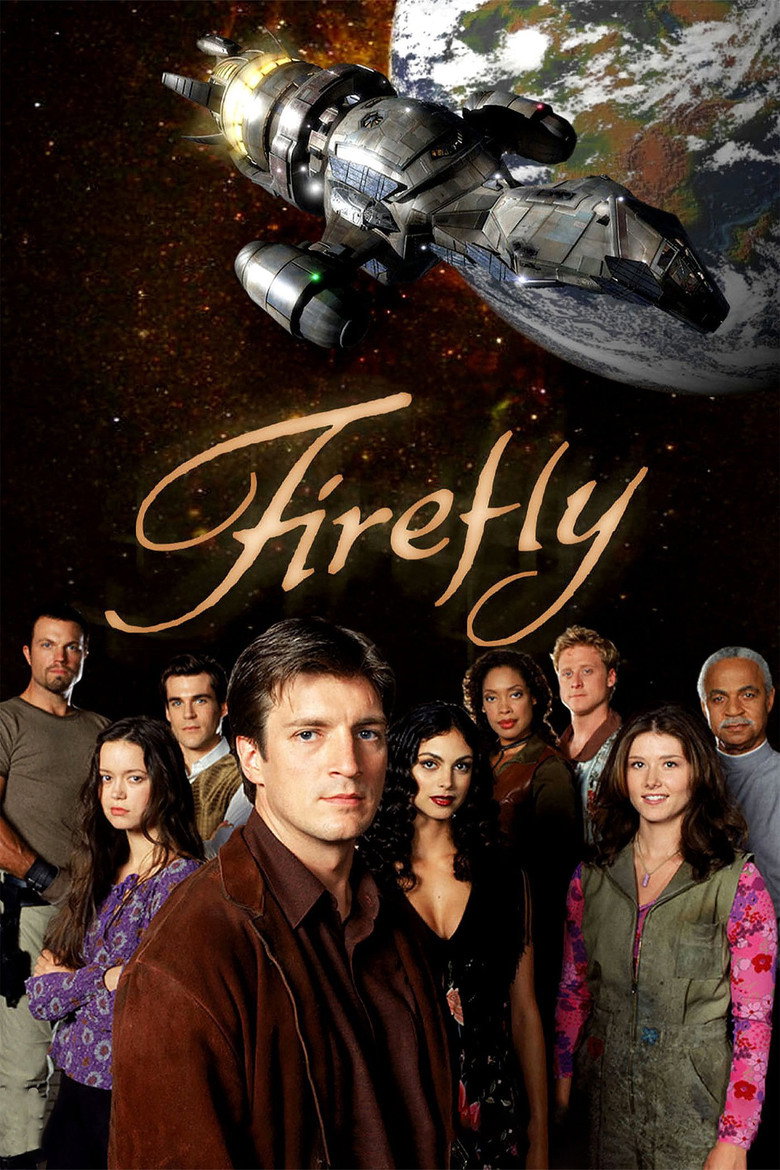
Fourteen episodes were produced. Only eleven aired, many of them broadcast by Fox in 2002 in a baffling, non-chronological order that began with the second episode instead of the pilot. The show was canceled before its first season finished, a definitive ratings failure by every conventional metric. These are the facts of Firefly, a show that, by all accounts, should be a forgotten piece of television trivia. Yet, two decades later, its premature death led to a fan-funded major motion picture, a thriving comic book universe, and a cultural afterlife that dwarfs shows that ran for ten seasons. This statistical anomaly isn't just a testament to a passionate fanbase; it’s a cultural flare, illuminating a profound and growing hunger in the modern audience for stories that reject the very foundations of our interconnected world.
Why Firefly Still Matters in 2026
This essay explores the enduring cultural power of a show that celebrated failure, independence, and the families we build in the wreckage of broken systems. Here’s what we'll dissect:
- The cultural significance of Firefly's "found family" theme in an era of atomization.
- How the show's potent anti-authoritarian politics resonate more deeply today.
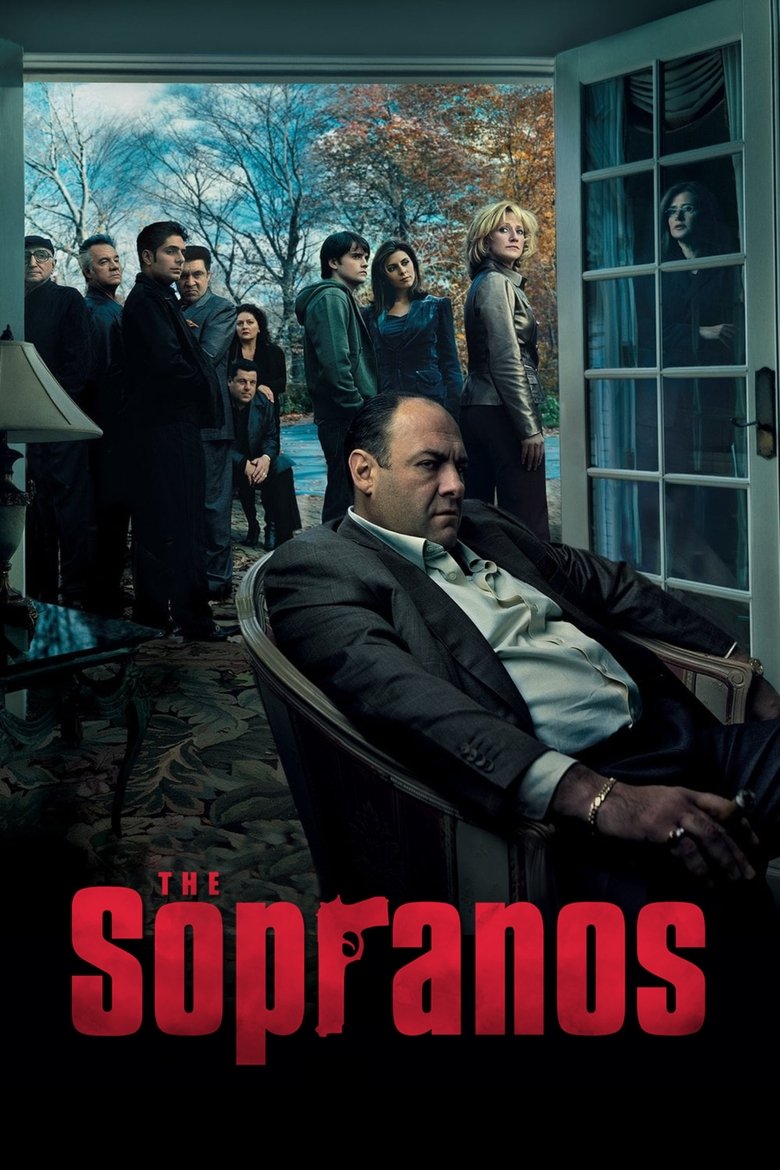
- Comparing its vision of humanity's future with the institutional decay of dramas like The Wire.
- The lasting impact of its unique genre-blending and why it signals a shift in audience desire.
The Allure of the Failed Utopia
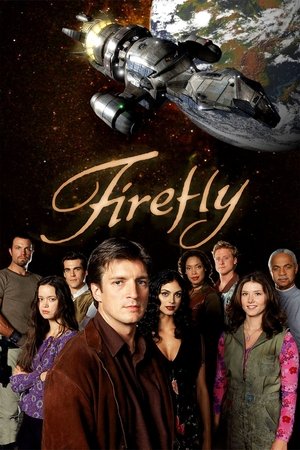
Most science fiction, from Star Trek to The Expanse, is predicated on progress. Humanity reaches the stars, builds grand federations, encounters new life, and pushes the boundaries of knowledge. The conflicts are aberrations in a system that is, at its core, striving toward a better future. Firefly commits the ultimate sci-fi heresy: it argues that the future failed. The grand system won, and it’s a sterile, oppressive nightmare.
The show is set after a galactic civil war where the establishment—the technologically superior, culturally homogenizing Alliance—crushed the Independent Planets, or "Browncoats." Our protagonists are the losers of that war. Captain Malcolm Reynolds (Nathan Fillion) is a veteran whose idealism was shot to pieces on the battlefield. He now captains a Firefly-class transport ship, the Serenity, taking any job—legal or otherwise—that keeps him flying and free from Alliance control. His ship isn't the Enterprise; it's a beat-up cargo hauler held together with ingenuity and prayer. The universe they inhabit isn't a gleaming testament to human achievement; it's a dusty, recycled frontier where the central planets are gleaming techno-utopias built on the exploitation of the outer-rim worlds, which resemble the 19th-century American West in all its muddy, desperate glory.
This world-building is the key to the show's power. It taps into a deep-seated American mythos—the frontier, the rugged individual—but poisons it with the knowledge that the frontier is already lost. The Alliance has already won. Their victory represents the triumph of bureaucracy, corporate control, and enforced civility over messy, chaotic freedom. The show’s central tension isn't about defeating the Alliance in another war; that's impossible. It's about the deeply personal, almost spiritual, struggle to live an authentic life on your own terms when the system has declared your way of life obsolete. Mal Reynolds isn't trying to save the galaxy; he's just trying to keep his ship, his crew, and his soul intact. His cynicism, so often mistaken for nihilism, is a shield for a deeply wounded romanticism. In the pilot, "Serenity," he tells a passenger he believes in nothing, only to risk everything to save that same passenger from a sadistic crime lord. His actions constantly betray his words, revealing a man clinging to a personal moral code in a universe that rewards amorality.
Forging a Crew in the Ashes of Ideology
The most potent theme in Firefly, and the one that explains its cult-like devotion, is its radical depiction of a "found family." The crew of Serenity is not a collection of friends who decided to go on an adventure. They are economic refugees, actual fugitives, and disillusioned veterans thrown together by circumstance and bound by necessity. Jayne Cobb is a brutish mercenary who literally tried to sell out his crewmates for profit. Shepherd Book is a preacher with a violent, classified past. Simon and River Tam are aristocratic siblings on the run from an Alliance that tortured River in a secret facility. They are broken, disparate people who, under normal circumstances, would have nothing to do with one another.
On Serenity, however, they become a fiercely co-dependent unit. The ship itself is the crucible. It is their home, their livelihood, and their sanctuary. Within its hull, they construct a new social contract based on loyalty and mutual reliance, not ideology or blood. This is a powerful fantasy in an increasingly atomized and politically polarized world. While shows like Gilmore Girls present a charming, if sometimes suffocating, vision of family and community rooted in geography and biology, Firefly proposes something more radical: that the most meaningful connections are the ones we choose in defiance of the world's attempts to isolate us. Stars Hollow is a place you're from; Serenity is a place you've fled to.
The masterpiece episode "Out of Gas" is a perfect distillation of this idea. Told in a series of flashbacks as Mal lies dying alone on his crippled ship, we see how each member of the crew came aboard. We see Mal buying the dilapidated Serenity, his initial, optimistic dream of independence. We see him hiring Zoe, his loyal second-in-command from the war. We see him begrudgingly taking on the cheerful mechanic Kaylee, the brutish Jayne, the pilot Wash. None of it is grand or pre-ordained. It's a series of messy, pragmatic decisions. But when the episode returns to the present, with the crew risking their lives in a desperate rescue attempt to save him, the flashbacks are re-contextualized. That series of accidents and compromises created a bond stronger than any formal allegiance. The episode’s final shot, where a recovering Mal looks out from the catwalk at his noisy, bickering, laughing crew—his family—is one of the most earned emotional moments in television history.
The Anti-Institutional Impulse: Firefly vs. The System
Firefly's anti-authoritarian streak is not subtle, but its diagnosis of institutional rot has only become more resonant since 2002. The Alliance is not a comically evil empire; it's far more insidious. It represents the soulless logic of the mega-state and the mega-corporation, a force that seeks to pacify, control, and streamline humanity, eliminating its inconvenient quirks. In the episode "Ariel," the crew infiltrates a high-tech Alliance hospital, a place that is clean, efficient, and hiding a monstrous secret: the systematic experimentation on gifted children like River. In "Jaynestown," they discover a town that has turned the loutish Jayne into a folk hero because he accidentally dropped a strongbox of money on them while escaping a heist. The people prefer the clumsy greed of an individual outlaw to the calculated oppression of the state. This is the show's core political argument: a flawed, messy freedom is always preferable to a safe, comfortable cage.
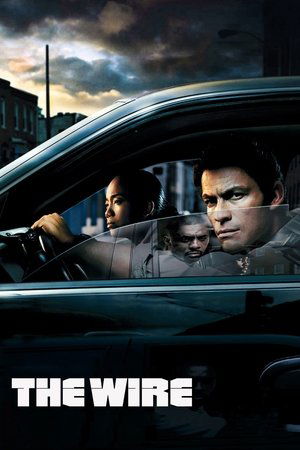
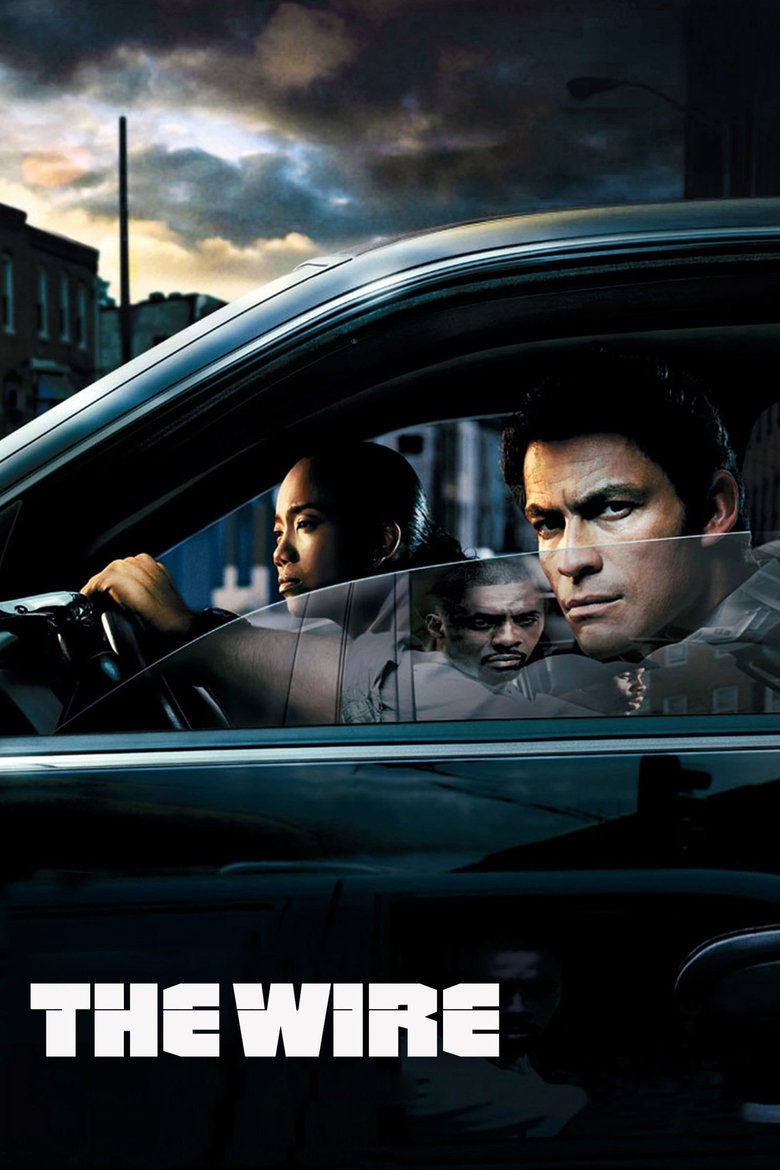
This critique of systems becomes even sharper when contrasted with what is arguably the greatest show about institutional failure ever made: The Wire. On the surface, the dusty planets of Firefly have nothing in common with the decaying streets of Baltimore. But both shows are fundamentally about individuals struggling against immense, impersonal systems designed to crush them. In The Wire, every institution—the police department, the city government, the school system, the press—is a self-perpetuating machine that grinds down good intentions. Detective McNulty's crusade to catch a drug kingpin is constantly undermined by the departmental chain of command's obsession with stats and political expediency. He, like Mal, is a man who refuses to play by the rules of a corrupt game.
The crucial difference, and the source of Firefly's enduring escapist power, lies in the solutions they offer. The Wire is a tragedy. Its brutal, journalistic realism offers no escape. The game is the game, and the best you can do is try to mitigate the damage before the system inevitably absorbs or expels you. It’s a masterpiece of social commentary that leaves the viewer with a profound sense of despair. Firefly, on the other hand, is a romance. It offers a way out. Mal Reynolds can literally get in his ship and fly away. He can escape the Alliance's reach and carve out a life on the lawless frontier. The existence of Serenity is an act of faith—faith that it is possible to live outside the system, to build something new in the cracks of a crumbling world. The modern audience's devotion to Firefly is a direct reflection of a cultural desire for that escape hatch. In a world that feels increasingly like the rigged game of The Wire, the fantasy of flipping the board and flying away becomes not just appealing, but necessary.
A Prediction for the Future: The Rise of the 'Homestead Narrative'
The legacy of Firefly is not just in its passionate fandom but in the seeds it planted. It demonstrated a deep, untapped audience hunger for what can be called the "Homestead Narrative": stories about small, self-reliant groups building a moral and social code outside the confines of a corrupt or collapsing mainstream society. This is a step beyond simple post-apocalyptic survival. The goal isn't just to endure the collapse; it's to proactively create a better, more humane alternative on a smaller scale.
We see echoes of this impulse across modern television, from the traveling troupe in Station Eleven rebuilding art in a pandemic-ravaged world to the isolated communities in countless other sci-fi and fantasy series. As mainstream entertainment becomes ever more dominated by vast, interconnected cinematic universes—narrative structures that mirror the monolithic Alliance in their scope and centralized control—the appeal of the rogue Firefly-class ship will only grow stronger.
Firefly was not a fluke. It was a harbinger. It proved that audiences will rally around characters who lose the war but win their freedom, who reject the grand narrative of history in favor of the small, vital story of their chosen family. The future of compelling television may not be in sprawling epics about saving the universe, but in intimate tales about saving a single ship, a single crew, a single, flickering idea of what it means to be free. The world will keep getting bigger and more complicated, and the dream of finding your own Serenity will only become more precious.
Editor's Verdict
Firefly remains a near-perfect piece of television, a masterclass in efficient world-building and character chemistry that accomplishes more in its truncated run than most shows do in 100 episodes. Its blend of western grit, sci-fi wonder, and sharp, witty dialogue created a universe that feels achingly real and perpetually inviting, despite its dangers. Its premature cancellation is one of television's great tragedies, but the purity of its short run is also part of its power—it never had the chance to betray its own ideals.
Editor's Rating: 9/10
The rating stands at a 9 because, while its core is brilliant, a couple of the standalone "monster-of-the-week" episodes, like "Bushwhacked" and "Safe," feel slightly generic compared to the potent character work and political subtext that define the show at its best. However, the falsifiable claim stands: the episode "Out of Gas" is a perfect single-episode narrative, accomplishing more character and world-building in 44 minutes than most series manage in an entire season.
FAQ
Why was Firefly canceled so quickly?
Firefly was canceled by the Fox network in 2002 primarily due to low viewership ratings. This was widely attributed to the network's poor handling of the show, including airing episodes out of chronological order and scheduling it in a difficult Friday night time slot.
Is the movie 'Serenity' a sequel to Firefly?
Yes. The 2005 film 'Serenity' was written and directed by Joss Whedon to serve as a conclusion to the storyline of the Firefly TV series. It was produced after a massive fan campaign and strong DVD sales proved there was a dedicated audience for the story.
What exactly is a 'space western'?
A space western is a science fiction subgenre that blends sci-fi elements (spaceships, advanced technology, other planets) with the narrative themes, character archetypes, and aesthetics of traditional American Westerns (frontier towns, moral ambiguity, outlaws, a focus on independence).