New Girl vs. Murder, She Wrote: The Ultimate Comfort TV Showdown
In the battle for supreme comfort viewing, does modern sitcom chemistry stand a chance against classic mystery-solving charm? We have a definitive winner.
In the sprawling landscape of television, what makes a show the ultimate comfort watch? Is it the chaotic, relatable humor of a modern hangout sitcom, or the steadfast, predictable charm of a classic procedural? It’s a question that pits two titans of the genre against each other, and the answer reveals not just what we like to watch, but what we need from our entertainment. Ultimately, the more resilient and inviting world wins, and it might not be the one you expect.
New Girl vs Murder, She Wrote: Which Comfort Show Reigns Supreme?
This article breaks down the ultimate comfort TV battle between two beloved series from different eras. We will cover: * A head-to-head comparison of the central protagonists: the quirky Jessica Day versus the unflappable Jessica Fletcher. * An analysis of the supporting ensembles: the tight-knit loft gang versus the rotating cast of Cabot Cove. * A deconstruction of their narrative formulas and what that means for long-term rewatchability. * A final, definitive verdict on which show truly earns the title of the greatest comfort watch.
The Main Event: Introducing the Contenders
In one corner, we have the reigning champion of millennial nostalgia and quirky relatability: New Girl. Premiering in 2011, the series centers on the adorkable Jessica Day (Zooey Deschanel) who, after a bad breakup, moves into a loft with three single men: the grumpy but lovable Nick Miller, the comically vain Schmidt, and the perpetually under-employed Winston Bishop. What follows is seven seasons of will-they-won't-they romance, absurd B-plots, and the invention of a nonsensical drinking game, "True American." It’s a show defined by its rapid-fire jokes and the palpable, chaotic chemistry of its core cast. It’s a warm, messy hug of a sitcom.

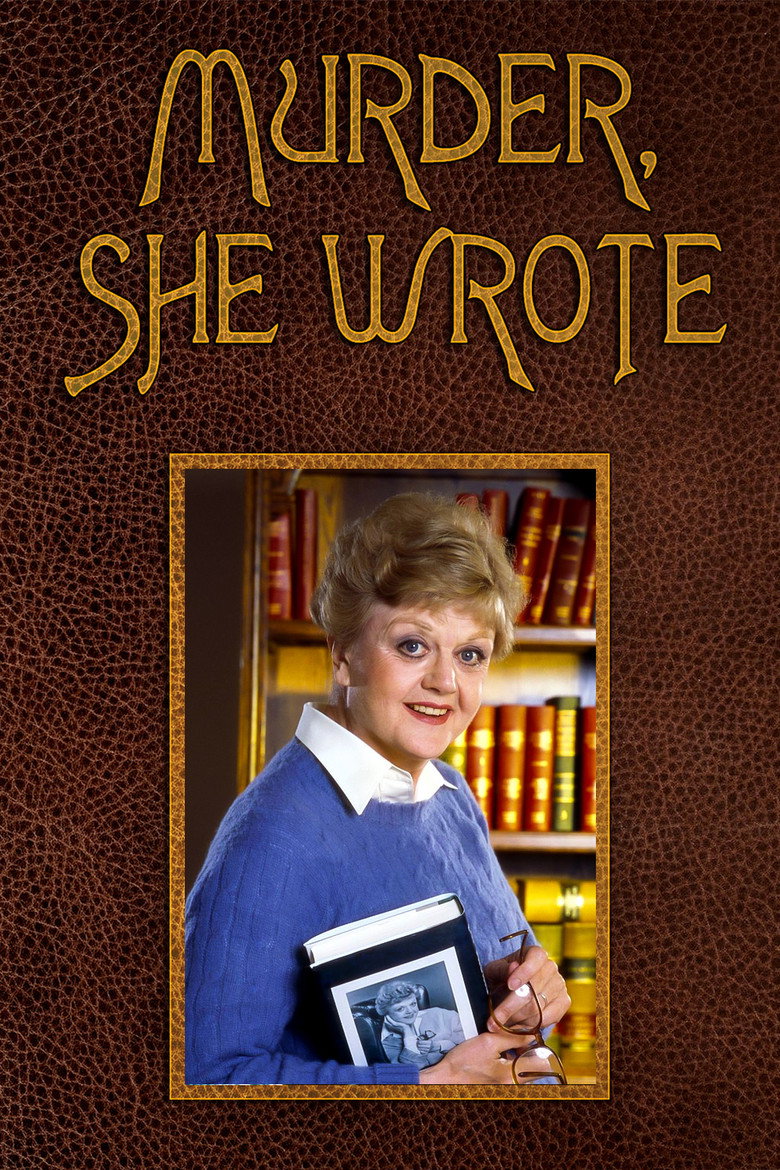
In the other corner stands the undisputed titan of cozy crime, a television institution that ran for an astonishing 12 seasons starting in 1984: Murder, She Wrote. Dame Angela Lansbury stars as Jessica B. "J.B." Fletcher, a mystery writer and amateur detective living in the surprisingly lethal town of Cabot Cove, Maine. Each week, Jessica stumbles upon a murder, outsmarts the bumbling local law enforcement, and unmasks the killer in a dramatic final confrontation. It is the epitome of the case-of-the-week procedural, a masterclass in formulaic storytelling anchored by one of television's most iconic and beloved performances. It is TV as a perfectly brewed cup of tea.

Round 1: The Protagonist Problem (Jessica Day vs. Jessica Fletcher)
A comfort show lives and dies by its lead. The central character is our anchor, the person we invite into our homes. Here, the two Jessicas could not be more different.
The Case for Jessica Day
Jess Day is a force of unfiltered emotion and quirky mannerisms. She sings to herself, wears polka dots, and approaches life with a wide-eyed sincerity that often clashes with the cynical world around her. She is, for better or worse, a walking avatar of millennial angst and arrested development. Her struggles are internal: finding her place, navigating complex relationships, learning to be an adult. Her appeal lies in her fallibility. We don’t watch Jess to see her solve a problem flawlessly; we watch her stumble, make a mess, and eventually find her way with the help of her friends. This vulnerability makes her deeply relatable to a certain audience. She represents the messy reality of figuring things out, which can be comforting in its own right—a validation that it’s okay not to have it all together.
The Case for Jessica Fletcher
J.B. Fletcher, by contrast, has it all together. She is a successful author, a respected community member, and an intellectual powerhouse. She is a figure of pure competence. In a world of weekly murders and incompetent police officers, she is the calm, rational center. Her challenges are entirely external. We never see her agonizing over her finances or having a romantic crisis; we see her methodically piecing together clues. This aspirational competence is the core of her comforting power. Watching Jessica Fletcher is reassuring because she always wins. She brings order to chaos, justice to the wronged, and does it all with grace and a twinkle in her eye. She is the capable, intelligent matriarch we all wish we had when things go wrong.
The Verdict: While Jess Day's relatability is a key ingredient to New Girl's success, J.B. Fletcher's unwavering competence provides a more powerful and universal form of comfort. Escapism, at its core, is often about watching someone succeed where we might fail. Fletcher’s intellectual superiority and calm demeanor are a more potent antidote to real-world anxiety than Day’s charming chaos.
Score: Murder, She Wrote 1, New Girl 0
Round 2: The Chemistry of the Crew (The Loft Gang vs. Cabot Cove & Friends)
No protagonist is an island. The world they inhabit and the people they surround themselves with are crucial to a show's texture and appeal.
The Case for the Loft Gang
New Girl is not about Jess Day; it’s about the loft. The show’s true magic lies in the ecosystem created by Jess, Nick, Schmidt, Winston, and Cece. Their relationships are the engine of the entire series. The comedy and drama spring from their history, their inside jokes, their codependency, and their genuine, if dysfunctional, love for one another. The writers understood this, making the ensemble the true star. Nick and Schmidt’s bizarrely domestic partnership, Winston’s evolution into a prank-loving oddball, and Cece’s role as the grounded outsider are all as vital as Jess’s journey. This creates a powerful sense of place and belonging. Watching New Girl feels like hanging out with friends—a found family as compelling as any in television history, reminiscent of the crew in shows like Firefly. The comfort here is communal.
The Case for Cabot Cove & Friends
Murder, She Wrote takes a completely different approach. Outside of a few recurring characters like Dr. Seth Hazlitt or Sheriff Amos Tupper, the supporting cast is a revolving door of guest stars, many of them classic Hollywood actors in their twilight years. These characters exist almost solely to serve the plot—to be victims, red herrings, or the eventual murderer. We rarely delve into their inner lives beyond what’s necessary to solve the crime. The focus is laser-sharp on Jessica and the puzzle she must solve. While this serves the procedural format perfectly, it creates a world that feels wide but shallow. Cabot Cove is a charming idea, but it lacks the lived-in, deeply interconnected feeling of the loft.
The Verdict: This is a knockout blow. New Girl’s ensemble is its entire reason for being. The chemistry between the actors is electric, and the relationships they build are the show's enduring legacy. Murder, She Wrote is a one-woman show by design, and while Lansbury is more than capable of carrying it, the series can't compete on the dimension of ensemble dynamics.
Score: Murder, She Wrote 1, New Girl 1
Round 3: The Architecture of Comfort (The Formula vs. The Flow)
How a show is built—its narrative structure—fundamentally dictates its rewatchability and its function as a comfort object.
The Case for The Formula
Murder, She Wrote is the dictionary definition of formulaic television. Each episode follows a rigid structure: Jessica arrives somewhere new, a smarmy or desperate character is introduced, a murder occurs, Jessica investigates while being dismissed by officials, she has a moment of epiphany, and she unmasks the killer. You could set your watch to it. And that is precisely why it is so brilliant as a comfort watch. This predictability is a feature, not a bug. It requires zero emotional heavy lifting from the viewer. You can have it on in the background, dip in and out, or watch an episode you've seen a dozen times and still feel the simple satisfaction of a puzzle being solved. It's a low-stakes, self-contained, intellectually satisfying loop. It is television as meditation.
The Case for The Flow
New Girl operates on a serialized sitcom structure. While each episode has its own A-plot and B-plot, the real narrative is the slow burn of character development and relationships. The jokes in season five land harder if you remember the context from season two. The emotional weight of Nick and Jess’s relationship is built over years. This makes it an incredibly rewarding binge-watch, but it demands more from the viewer. You have to pay attention. You have to be invested. The comfort comes from immersion in the characters' ongoing lives—the flow of their story. Rewatching is about revisiting favorite moments and dynamics, not about seeing a plot resolved. It’s comforting because it feels like returning to a familiar, beloved place.
The Verdict: This is the deciding round. While the deep immersion of New Girl is powerful, the sheer, unadulterated, low-effort comfort provided by the Murder, She Wrote formula is unbeatable. The ability to watch any episode, in any order, and receive the exact same dose of calming, problem-solving satisfaction makes it the more versatile and durable comfort object. It asks nothing of you and gives you exactly what you expect, every single time. That is the essence of true comfort television.
Score: Murder, She Wrote 2, New Girl 1
The Final Verdict: Declaring the Champion of Comfort TV
Though New Girl boasts one of the finest sitcom ensembles of its generation, it ultimately can't dethrone the queen. Murder, She Wrote emerges victorious as the superior comfort watch. Its strength lies in its perfect, unyielding formula, which provides a predictable and deeply satisfying viewing experience with minimal emotional investment. Anchored by the aspirational competence of J.B. Fletcher, the show is a masterclass in low-stakes, high-reward storytelling. It is a timeless piece of television that functions as a perfect escape, promising that no matter how chaotic the world gets, a brilliant woman in a sensible coat can always figure it out in under an hour.
Editor's Verdict
While New Girl's loft ensemble created a benchmark for modern sitcom chemistry, Murder, She Wrote's unyielding formula and Angela Lansbury's perfect performance make it the single most effective comfort-watch series ever produced.
FAQ
Is Murder, She Wrote still worth watching today?
Absolutely. Its cozy, low-stakes mystery formula and Angela Lansbury's timeless performance as J.B. Fletcher make it a perfect comfort show that has aged remarkably well.
What makes New Girl so popular for rewatching?
New Girl's rewatchability comes from the incredible chemistry of its ensemble cast. Viewers return not for the plot, but to spend time with the characters in the loft, whose inside jokes and relationships feel genuine and welcoming.
Which show is better to watch casually?
Murder, She Wrote is ideal for casual viewing. Each episode is a self-contained mystery, so you can drop in at any point without needing to know previous plotlines. New Girl is more rewarding when watched in order due to its serialized character arcs.