Beyond the Needle Drop: How TV Soundtracks Define a Generation
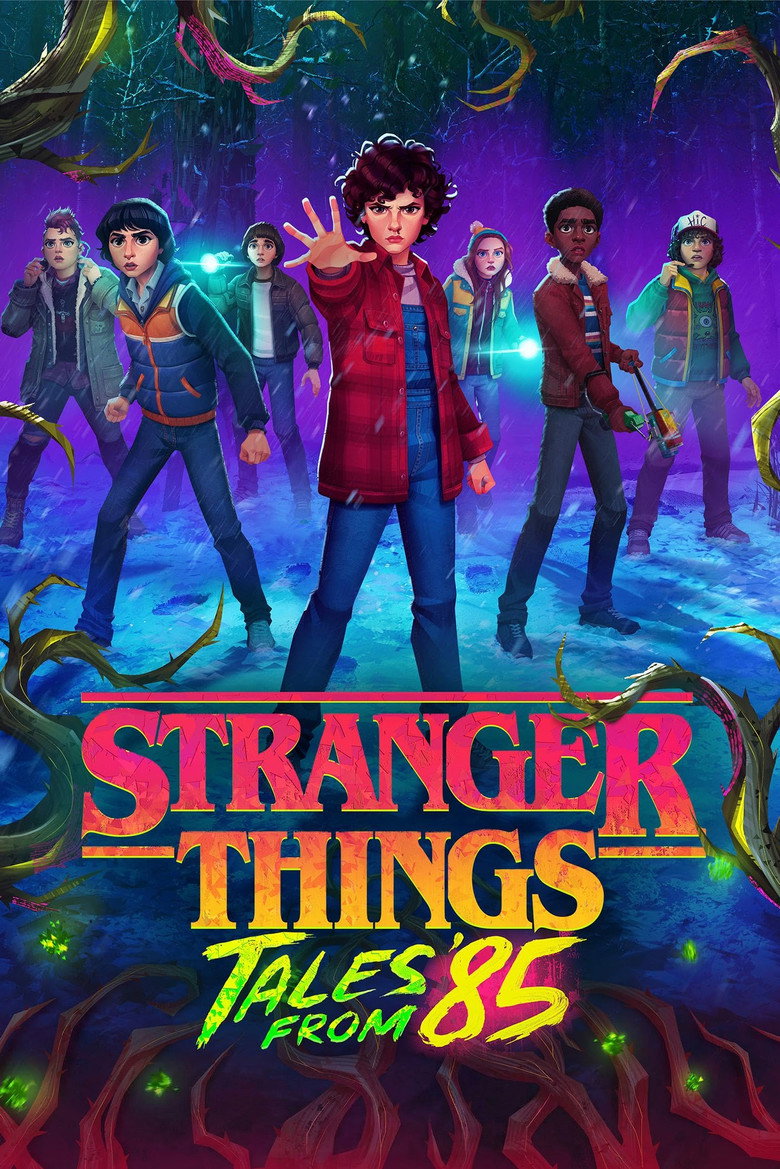
From synth-wave nostalgia to curated angst, the music in shows like *Stranger Things: Tales from '85* isn't just background — it's the narrative soul.
The soundtrack has transcended mere accompaniment; it's now a character, a mood board, a viral sensation. In an era saturated with content, the sonic landscape of a series has become as critical as its cinematography or its cast. We're not just watching stories unfold; we're immersing ourselves in them, and music is the conduit, pulling us into meticulously crafted sonic worlds that resonate far beyond the final credits. This isn't just about a catchy theme song anymore; it's about a holistic auditory experience that defines a show's very identity and often dictates its cultural footprint.
Unpacking TV's Sonic Revolution
For those dissecting the evolving role of music in television, this article covers:
- How Stranger Things: Tales from '85 masterfully leverages nostalgia through its score and licensed tracks.
- The strategic curation of music to amplify emotional depth and narrative tension.
- The phenomenon of TV shows launching breakout songs into the mainstream.
- What this sonic shift reveals about contemporary audience engagement and consumption habits.
- A peek into the future of music integration in streaming television.
The Echo Chamber of '85: Stranger Things and Nostalgia's Siren Song
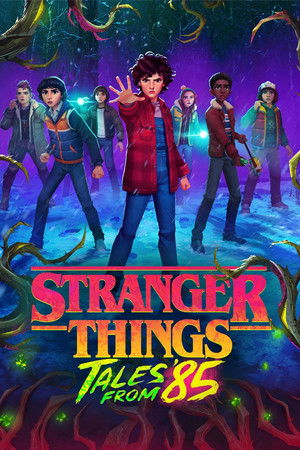
No show exemplifies the power of a perfectly curated soundscape quite like the Stranger Things universe, and its latest installment, Stranger Things: Tales from '85, is no exception. This isn't just a prequel; it's a meticulously crafted time capsule, and the music is its beating, neon-lit heart. Kyle Dixon and Michael Stein's iconic synth score continues to be the backbone, immediately transporting viewers to a period of cold war paranoia and arcade glory. But it's the strategic placement of '80s pop and rock anthems that truly elevates the experience. Think less 'background music' and more 'emotional core.' Every needle drop, from a forgotten New Wave gem during a tense investigation to a power ballad underscoring a character's internal struggle, feels less like a choice and more like destiny. It taps into a collective unconscious, whether you lived through the '80s or are experiencing it through TikTok filters. This isn't mere fan service; it's a testament to how music can forge an unbreakable bond between a story and its audience, making them feel the era, not just see it.
The Pulse of a Generation: Music as Character
Contrast this with a series like Euphoria, which, while musically distinct, shares Tales from '85's commitment to sonic storytelling. While Stranger Things looks back, Euphoria builds its world with contemporary sounds, often propelling obscure indie tracks or dark R&B cuts into overnight sensations. Labrinth's score for Euphoria is an emotional maelstrom, a character in itself, weaving through Rue's anxieties and Maddy's defiance. The show doesn't just use music; it is music, reflecting the fractured, intense internal worlds of its Gen Z protagonists. Remember when Kate Bush's "Running Up That Hill" found a new generation of fans thanks to Stranger Things 4? Or when multiple tracks from Euphoria's soundtrack became instant TikTok trends? This isn't accidental; it's a deliberate narrative choice, turning musical moments into communal experiences and shareable cultural touchstones. (For more on its impact, check out Euphoria vs. INVINCIBLE: Which Series Reigns Supreme?)
The Audience as Aural Archaeologists
What does this trend reveal about today's audiences? We're no longer passive recipients; we're active participants, often arriving with a pre-existing appreciation for the curated sounds or an eagerness to discover new ones. We expect our shows to have a distinct musical fingerprint, an audio identity that can be streamed, dissected, and debated. This isn't just about entertainment; it's about forming connections, sharing emotional beats, and even validating personal experiences through the universal language of music. The ability of a show to unearth a forgotten classic or mint a new hit speaks volumes about its cultural potency and the sophisticated ears of its viewers.
The Future is Heard
Looking ahead, expect music in television to become even more intertwined with narrative and marketing. We'll see more shows commissioning bespoke albums, not just scores, and collaborating directly with artists to create soundscapes that are inseparable from their visual counterparts. Interactive elements might allow viewers to dive deeper into a song's origins or even influence a show's musical direction. The era of generic background music is dead; long live the hyper-curated, culturally resonant sonic journey. The next big TV hit won't just be seen; it will be heard, and remembered, for its sound.
Editor's Verdict
Stranger Things: Tales from '85 doesn't just ride the coattails of its predecessor's musical legacy; it deepens it, proving that a meticulously crafted sonic landscape is essential to truly immersive storytelling. It's a masterclass in using music as both narrative engine and emotional anchor, pulling audiences into a world they can feel as much as they see.
FAQ
How does music enhance storytelling in TV shows like *Stranger Things: Tales from '85*?
Music in *Stranger Things: Tales from '85* enhances storytelling by establishing a strong sense of era-specific nostalgia, amplifying emotional beats, building suspense with its synth-heavy score, and creating a distinct sonic identity that is integral to the narrative.
Why are TV show soundtracks becoming so popular and influential?
TV show soundtracks are gaining influence because they offer curated sonic experiences, often tapping into nostalgia or introducing new artists, which resonates deeply with audiences. Social media platforms also amplify specific tracks, turning them into viral sensations and expanding their cultural reach.
What is the difference between a score and a soundtrack in television?
A 'score' refers to the original instrumental music composed specifically for a TV show to enhance its mood and narrative. A 'soundtrack' typically refers to a collection of licensed, pre-existing songs (often popular or era-specific) featured in the show, which can also include selected pieces from the original score.