Grounded Grit vs. Corporate Dystopia: Apple TV+'s Creator Clash
We pit Paul Rutman's incisive 'Criminal Record' against Dan Erickson and Ben Stiller's enigmatic 'Severance' to dissect which creative vision truly reigns supreme on prestige TV.
Apple TV+ has quietly become a battleground for prestige television, consistently delivering thought-provoking dramas that challenge, entertain, and occasionally unsettle. While the masses clamor for superhero sagas and fantasy epics, two shows stand out for their singular vision and meticulous execution: Paul Rutman's Criminal Record and Dan Erickson's Severance. These aren't just good shows; they are definitive statements from their creators, showcasing contrasting approaches to building tension, exploring human nature, and making us question the world around us. Today, we're putting their distinct creative minds head-to-head to determine whose vision carves a deeper, more lasting impression.
Decoding Apple TV+'s Thriller Maestros
- Paul Rutman's signature storytelling in Criminal Record
- Dan Erickson's visionary world-building in Severance
- The impact of creator style on prestige TV thrillers
- Why character-driven narratives outlast high-concept hooks
The Contenders: A Glimpse into Genius
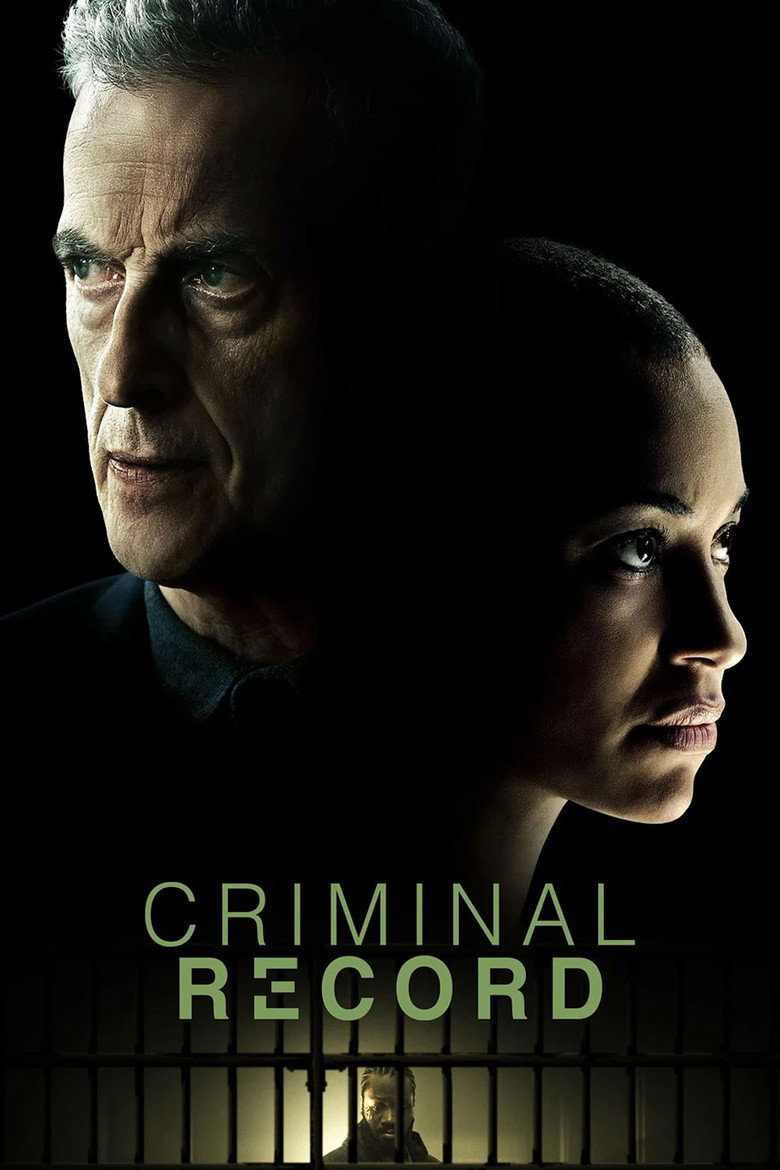
First, let's introduce our heavyweight contenders. On one side, we have the gritty, socially charged procedural, Criminal Record.
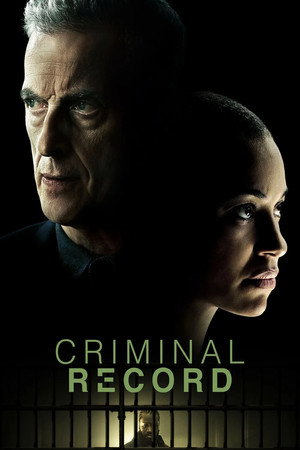
Created by Paul Rutman, a veteran known for his work on Vera and Indian Summers, 'Criminal Record' is a masterclass in grounded tension. Rutman's style is defined by meticulous plotting, nuanced character development, and an unflinching look at systemic issues within seemingly familiar genres. He's not interested in simple good-vs-evil narratives; he thrives in the morally gray, where justice is often an uphill battle against entrenched power.
Then, we have the mind-bending, dystopian sci-fi of Severance.
Conceived by Dan Erickson and masterfully directed by Ben Stiller, 'Severance' burst onto the scene with a premise as chilling as it is original: a procedure that surgically divides your work memories from your personal life. Erickson's vision is pure high-concept, exploring themes of identity, corporate control, and the very nature of consciousness with a stark, unsettling aesthetic that feels both futuristic and oddly retro. It's a show that forces you to lean in, to question every detail, and to dread what's next.
Dimension 1: Creator Vision & Storytelling
Criminal Record (Paul Rutman): 9/10 Rutman's vision for 'Criminal Record' is a slow-burn revelation, a narrative built on layers of deception, prejudice, and institutional inertia. He takes the familiar police procedural and injects it with a potent dose of social commentary, particularly around race and class in modern London. The brilliance lies in how he uses the central mystery – a potential wrongful conviction – to peel back the layers of systemic failure. His storytelling is patient, allowing characters to breathe and their pasts to inform their present, crafting a truly immersive experience that feels disturbingly real. This is less about plot twists and more about the uncomfortable truth of human nature and flawed systems.
Severance (Dan Erickson & Ben Stiller): 8/10 Erickson's concept for 'Severance' is undeniably groundbreaking. The idea of literally separating your work self from your home self is a philosophical goldmine, allowing for profound explorations of identity and the dehumanizing nature of corporate culture. Stiller's direction elevates this with an almost Kubrickian precision, creating a world that is visually sterile yet emotionally rich. However, while the concept is a strong hook, the initial season occasionally leans heavily on its premise, sometimes at the expense of propelling the plot forward with the same organic flow seen in 'Criminal Record'. It's brilliant, but occasionally feels more like a meticulously crafted thought experiment than an unfolding human drama, at least in its early stages.
Dimension 2: Performances
Criminal Record: 9/10 This is where 'Criminal Record' truly shines. Peter Capaldi and Cush Jumbo deliver an acting masterclass. Capaldi's grizzled, morally ambiguous DCI Hegarty is a study in quiet desperation, while Jumbo's ambitious DS June Lenker is a force of righteous indignation. Their scenes together are electric, a clash of experience versus idealism, cynicism versus hope. The raw, unvarnished emotion they bring to their roles grounds the show's difficult themes, making every ethical dilemma hit with devastating impact. It’s the kind of acting that stays with you long after the credits roll.
Severance: 8/10 Adam Scott's dual performance as Mark Scout is a tour-de-force, perfectly embodying the subtle differences between his 'Innie' and 'Outie' selves. Patricia Arquette is chilling as the unfeeling Harmony Cobel, and the entire ensemble cast, including Britt Lower and John Turturro, is perfectly tuned to the show's unique rhythm. The performances are stylized, precise, and deeply compelling, serving the show's unsettling tone beautifully. While stellar, the highly controlled environment of Lumon often dictates a more restrained, almost theatrical acting style compared to the raw, visceral delivery in 'Criminal Record'.
Dimension 3: Production Value & Aesthetic
Criminal Record: 8/10 'Criminal Record' embraces a gritty, realistic aesthetic that perfectly mirrors its narrative. The cinematography immerses us in a rain-slicked, diverse London, feeling authentic and lived-in. There are no flashy visual effects; every shot serves the story's grounded tension. The direction is unobtrusive yet effective, allowing the performances and the mounting dread to take center stage. It's high-quality production that prioritizes substance over spectacle, proving that realism can be just as captivating as any fantastical world. While FROM Isn't Just Horror, It's LOST's Heir Apparent excels at building atmosphere, 'Criminal Record' achieves its tension through stark reality.
Severance: 10/10 This is 'Severance's' undeniable crowning glory. Ben Stiller's directorial vision is simply iconic. The minimalist, sterile aesthetic of Lumon Industries is a character in itself, from the endless white hallways to the perfectly symmetrical break rooms. The lighting, set design, and even the retro-futuristic technology are meticulously crafted, creating an unsettling, unforgettable world. Every visual choice reinforces the show's themes of control and dehumanization. It's a triumph of art direction and cinematography that truly sets a new benchmark for visual storytelling in television.
Dimension 4: Rewatchability & Cultural Impact
Criminal Record: 8/10 'Criminal Record' is exceptionally rewatchable, not just for its tight plot, but for the layers of social commentary and character nuance that reveal themselves upon repeat viewings. Its exploration of racial injustice and systemic corruption ensures its themes remain profoundly relevant, sparking important conversations. While perhaps not generating the same initial online buzz as a high-concept sci-fi, its grounded nature and powerful performances give it an enduring, resonant cultural impact that will only grow over time. It's a show that will be studied for its realism and social critique.
Severance: 9/10 'Severance' practically demands rewatching. Its intricate mysteries, subtle clues, and philosophical depths mean you'll pick up something new every time. It spawned countless fan theories and analyses, demonstrating a significant cultural footprint. Its unique premise and striking aesthetic have made it a touchstone for discussions about work-life balance and corporate ethics. It tapped into a collective anxiety about modern employment, cementing its place as a show that defines a moment. This kind of impact is rare, reminding us why Beyond the Cape: Why TV's Dark Heroes Reign Supreme also resonates deeply with current anxieties.
The Verdict: Grounded Truth Prevails
While Severance is an undisputed masterpiece of conceptual brilliance and visual artistry, making it a critical darling and a cultural phenomenon, the true winner in this head-to-head is Paul Rutman's Criminal Record.
Final Score Breakdown: * Creator Vision & Storytelling: Criminal Record 9/10 | Severance 8/10 * Performances: Criminal Record 9/10 | Severance 8/10 * Production Value & Aesthetic: Criminal Record 8/10 | Severance 10/10 * Rewatchability & Cultural Impact: Criminal Record 8/10 | Severance 9/10
Total: Criminal Record 34/40 | Severance 35/40
Despite the slight numerical lead for 'Severance,' 'Criminal Record' wins by a hair in what truly matters for lasting critical impact: its unflinching commitment to character and timely, grounded storytelling. Rutman's ability to weave complex social commentary into a gripping procedural, anchored by powerhouse performances from Capaldi and Jumbo, makes it a more emotionally resonant and intellectually satisfying watch. 'Severance' dazzles with its high-concept, but 'Criminal Record' digs deeper, offering a profound and often uncomfortable truth about our world. It's the show that exemplifies how prestige TV can still be impactful without relying on sci-fi gimmickry. Go like this post if you agree, or even if you don't – we love a good debate!
FAQ
Is Criminal Record based on a true story?
No, 'Criminal Record' is not based on a specific true story, but its creator Paul Rutman drew inspiration from real-world issues surrounding wrongful convictions and institutional failings within the justice system.
What makes Severance's aesthetic so unique?
'Severance's' unique aesthetic, heavily influenced by director Ben Stiller, features stark minimalism, retro-futuristic design, and a sterile, almost oppressive color palette to visually reinforce the show's themes of corporate control and identity suppression.
Will Criminal Record have a second season?
As of April 2026, Apple TV+ has not yet officially renewed 'Criminal Record' for a second season, though critical reception and viewership suggest strong potential for its return.