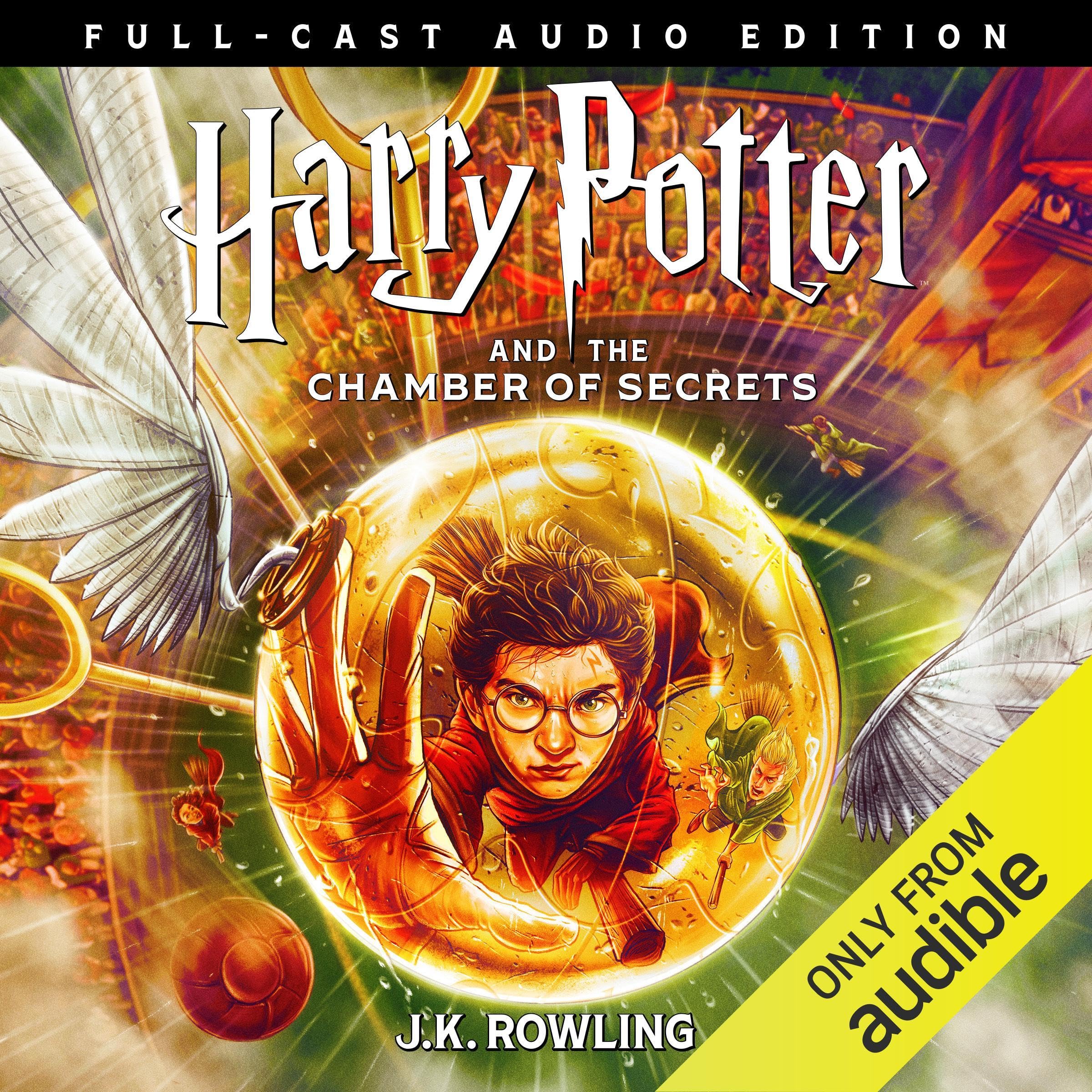
Azkaban vs. The Hunger Games: Which YA Classic Reigns Supreme?
It's the ultimate showdown: J.K. Rowling's magical mystery versus Suzanne Collins' dystopian brutality. Lit-Pop dissects the plots, characters, and legacies to crown the true literary champion for April 2026.
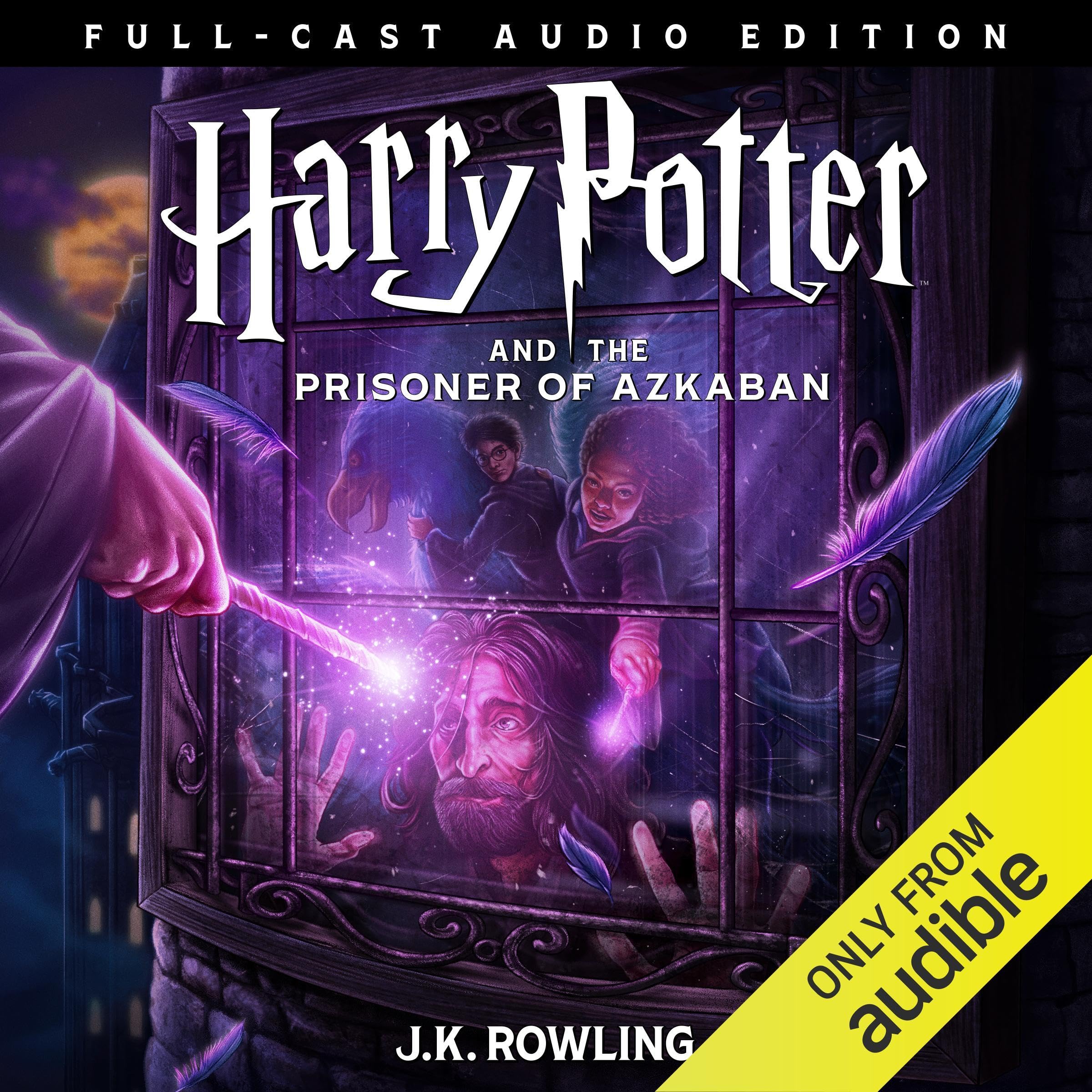
The literary landscape of the 21st century owes a colossal debt to young adult fiction, and at the forefront of that revolution stand two titans: J.K. Rowling's enchanting wizarding world and Suzanne Collins' grim dystopian vision. While vastly different in tone and premise, both Harry Potter and the Prisoner of Azkaban and The Hunger Games captivated millions, spawning multi-billion dollar franchises and defining generations of readers. But when stripped down to their core literary merit, which one truly stands as the superior read?
Harry Potter vs. The Hunger Games: Literary Showdown
Curious which of these monumental books deserves your prime bookshelf real estate? We're breaking down the critical elements that make or break a literary masterpiece. Here's what we'll cover: * In-depth comparison of plot innovation and pacing * Analysis of character depth and emotional resonance * A brutal look at world-building and thematic power * An honest assessment of their enduring cultural impact
The Contenders

First, we have Harry Potter and the Prisoner of Azkaban, the third installment in Rowling's behemoth series. Often hailed by fans and critics alike as the book where the franchise truly matures, it introduces a darker tone, complex characters, and a narrative twist that still holds up nearly three decades later. This isn't just another year at Hogwarts; it's a deep dive into prejudice, justice, and the uncomfortable truths of the past.

Opposing it is Suzanne Collins' The Hunger Games, the explosive debut that launched a dystopian craze. Set in the totalitarian nation of Panem, it follows Katniss Everdeen as she volunteers for a televised death match. Its raw depiction of survival, media manipulation, and class struggle resonated deeply, propelling it into the cultural zeitgeist with ferocious speed.
Story & Plot: Intricacy vs. Urgency
Harry Potter and the Prisoner of Azkaban: 9/10
Rowling truly flexes her narrative muscles here. Azkaban isn't just a fantasy adventure; it's a masterclass in mystery plotting. The introduction of Sirius Black and the escape from Azkaban sets a relentlessly tense atmosphere, while the time-travel climax is both clever and satisfyingly earned. Every piece of information, every character interaction, contributes to a meticulously crafted puzzle that unfolds with precision. The pacing is near-perfect, balancing the familiar comfort of Hogwarts with the growing sense of dread.
The Hunger Games: 8/10
Collins delivers a relentless, high-stakes plot that grabs you by the throat and doesn't let go. The premise alone—children fighting to the death on live television—is a stroke of genius. The narrative is driven by pure, primal urgency. While it might lack the intricate, layered mysteries of Azkaban, The Hunger Games's strength lies in its brutal efficiency and visceral impact. You're swept into Katniss's fight for survival, making it an undeniable page-turner. However, some of the arena mechanics can feel a touch convenient, a slight narrative cheat to keep the tension ratcheted up.
Characters: Ensemble Depth vs. Iconic Lead
Harry Potter and the Prisoner of Azkaban: 9.5/10
By Azkaban, the core trio of Harry, Ron, and Hermione are fully realized, their friendship palpable and complex. But it's the new additions that truly elevate this book: the haunted, misunderstood Sirius Black and the compassionate, tragic Remus Lupin. These characters aren't just plot devices; they are deeply flawed, morally ambiguous figures who enrich the wizarding world and challenge Harry's black-and-white perception of good and evil. Their backstories provide a compelling emotional anchor that resonates long after the final page.
The Hunger Games: 8.5/10
Katniss Everdeen is an undeniable icon: resourceful, defiant, and deeply human in her struggles. Collins crafts a protagonist whose internal monologue is as compelling as her external actions. Her moral quandaries, her love for her sister, and her reluctant heroism make her incredibly compelling. The supporting cast, while serving their purpose (Peeta, Gale, Haymitch), don't always achieve the same level of granular depth or emotional complexity as Azkaban's expanded ensemble. They're effective archetypes, but few feel as lived-in as Rowling's creations.
World-building & Themes: Rich Tapestry vs. Stark Mirror
Harry Potter and the Prisoner of Azkaban: 9/10
By this point, Hogwarts is a character in itself—a familiar, comforting, yet increasingly dangerous setting. Azkaban expands the magical lore with werewolf myths, time-turners, and a deeper exploration of the wizarding legal system. The themes of prejudice (against werewolves and perceived criminals), the abuse of power, and the complexities of familial bonds are woven seamlessly into the fabric of this rich, detailed world. It's escapism with a profound, emotional core. For more on the magic of world-building, check out our piece on Hogwarts vs. Middle-earth: The Ultimate Fantasy World-Building Battle.
The Hunger Games: 8.5/10
Panem is a stark, terrifying world, a chilling reflection of societal inequalities and the dangers of unchecked authority. Collins' world-building is effective in its minimalism, focusing on the brutal efficiency of the Capitol and the despair of the Districts. The themes of political oppression, economic disparity, and the desensitizing power of media are explored with unflinching clarity. It's a world designed to provoke thought and ignite outrage, and in that, it utterly succeeds. However, compared to the sheer imaginative breadth and historical depth of Rowling's universe, Panem feels a bit more narrowly focused, serving its allegorical purpose rather than inviting endless exploration.
Cultural Impact & Legacy: Enduring Phenomenon vs. Genre Pioneer
Harry Potter and the Prisoner of Azkaban: 9.5/10
Azkaban is a crucial piece in the Harry Potter phenomenon. It solidified the series' transition from charming children's books to complex, darker narratives that grew with their audience. Its innovations in storytelling and character development are often cited as a turning point for the entire franchise, contributing massively to its status as a generational touchstone. The series, as a whole, redefined fantasy literature and became a global cultural institution. Its re-readability is legendary, a testament to its enduring appeal. For more binge-worthy reads, see our Binge-Worthiness Battle: Lit-Pop Ranks Your Next Unputdownable Reads.
The Hunger Games: 9/10
The Hunger Games didn't just become popular; it created a genre. Its success ignited a wave of dystopian YA fiction, inspiring countless imitators and shaping the literary landscape for years. Katniss became a symbol of resistance, and the book's themes continue to resonate in discussions about media, power, and youth activism. Its cultural impact is undeniable, pioneering a new wave of storytelling. However, while The Hunger Games kicked open a new door, the Harry Potter series ultimately built a more expansive and consistently beloved universe over its full run, with Azkaban being a peak entry.
The Verdict: Crowned Champion
| Category | Harry Potter and the Prisoner of Azkaban | The Hunger Games |
|---|---|---|
| Story & Plot | 9/10 | 8/10 |
| Characters | 9.5/10 | 8.5/10 |
| World-building & Themes | 9/10 | 8.5/10 |
| Cultural Impact & Legacy | 9.5/10 | 9/10 |
| Total Score | 37/40 | 34/40 |
This was a formidable clash between two truly influential works, but a champion must be declared. While The Hunger Games is a masterclass in visceral, impactful storytelling and pioneered a genre, Harry Potter and the Prisoner of Azkaban takes the crown. Its superior narrative intricacy, richer character development, and deeper, more layered world-building give it the edge. It’s a book that not only entertains but rewards multiple re-reads with new discoveries, solidifying its place as a genuine literary masterpiece within an already legendary series. Give this post a like if you agree, or prepare your own arguments!
FAQ
Is 'Harry Potter and the Prisoner of Azkaban' suitable for younger readers?
'Prisoner of Azkaban' introduces darker themes and more complex moral dilemmas, making it a step up from the first two books. While still accessible, it's generally recommended for readers aged 9-12 and up, depending on maturity.
What genre is 'The Hunger Games'?
'The Hunger Games' is primarily dystopian young adult fiction, blending elements of science fiction, adventure, and social commentary. It's widely credited with popularizing the dystopian subgenre in YA literature.
Which book is longer, 'Azkaban' or 'The Hunger Games'?
'Harry Potter and the Prisoner of Azkaban' is slightly longer than 'The Hunger Games'. Azkaban typically runs around 435 pages, while The Hunger Games is usually around 374 pages, depending on the edition.