The Hobbit vs. Goblet of Fire: Which Fantasy Epic Reigns Supreme?
J.R.R. Tolkien's foundational debut battles J.K. Rowling's evolving masterpiece. We dissect the world-building, characters, and legacy to crown the true champion.
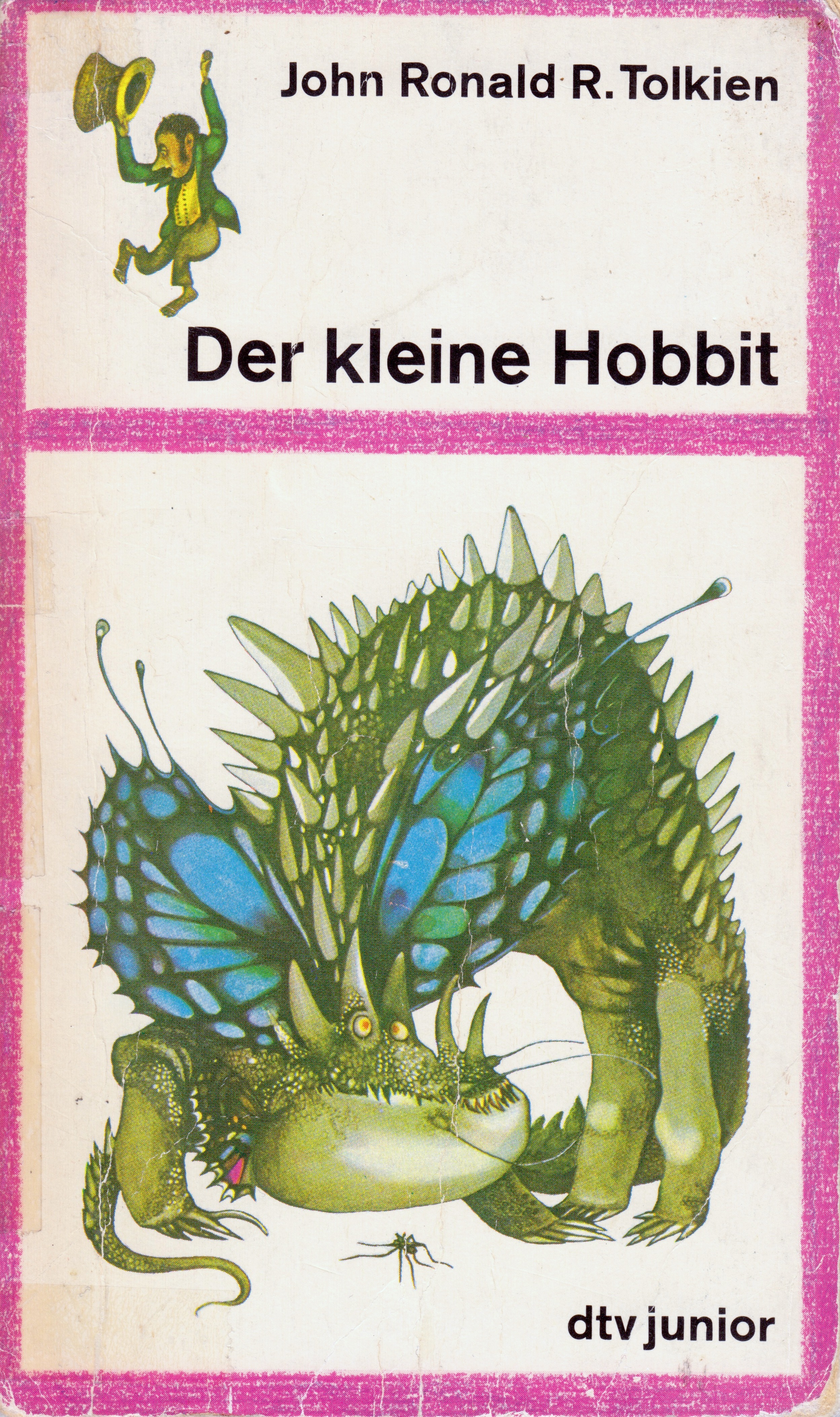
In the sprawling landscape of fantasy literature, few works cast shadows as long as J.R.R. Tolkien's Middle-earth and J.K. Rowling's Wizarding World. Today, we're pitting two titans against each other: Tolkien's legendary debut, The Hobbit, or There and Back Again, against the pivotal fourth installment in the Harry Potter saga, Harry Potter and the Goblet of Fire. This isn't just a battle of books; it's a clash of foundational storytelling versus modern epic, a contest to see whose magic truly endures.
Search-Intent Section: The Ultimate Fantasy Showdown
- Comparing foundational fantasy literature.
- Analyzing The Hobbit's lasting impact as a debut.
- Dissecting Harry Potter and the Goblet of Fire's narrative ambition.
- Determining the superior fantasy epic for today's discerning readers.
Contender 1: The Hobbit, or There and Back Again

J.R.R. Tolkien's 1937 novel wasn't just a book; it was the Big Bang of modern fantasy. This unassuming tale of a hobbit, a wizard, and thirteen dwarves set out to reclaim a dragon's hoard fundamentally reshaped what was possible in speculative fiction. As a debut, The Hobbit introduced a meticulously crafted world, a rich mythology, and the blueprint for every epic quest that followed. Tolkien, in his first outing, didn't just write a story; he created a universe that still invites exploration decades later. It's the granddaddy of them all, a quiet masterpiece that roared into existence.
Contender 2: Harry Potter and the Goblet of Fire

By 2000, J.K. Rowling was already a global phenomenon, but Harry Potter and the Goblet of Fire took the series from beloved children's books to true young adult epic. This is where the Wizarding World shed its innocent skin, introducing a deadly tournament, darker themes, and the terrifying return of Voldemort. It's a sprawling, ambitious narrative that cemented Harry Potter's place in the pantheon, proving Rowling could mature her storytelling alongside her readership. It’s a turning point, a deepening, a massive leap in scope and stakes.
Head-to-Head Comparison
Story & World-Building
The Hobbit: A masterclass in accessible world-building. Tolkien's Middle-earth is rich, ancient, and feels utterly lived-in, despite being introduced through the eyes of a homebody hobbit. The quest structure is classic, clean, and perfectly paced. Every location, from Rivendell to the Lonely Mountain, breathes with history and wonder. It’s foundational, setting the gold standard for creating immersive secondary worlds. Score: 9/10
Goblet of Fire: Rowling expands the Wizarding World dramatically, bringing in international schools and complex magical politics. The Triwizard Tournament provides a thrilling, high-stakes narrative engine, but the sheer volume of new information and plot threads sometimes feels less organic, more constructed, than Tolkien's seamless integration. It’s ambitious, but occasionally sacrifices elegance for spectacle. Score: 8/10
Character Depth & Evolution
The Hobbit: Bilbo Baggins' transformation from reluctant bourgeois to brave adventurer is the heart of the story. It's a subtle, profound arc that teaches us that heroism isn't just for warriors. Gandalf, Thorin, and even Smaug are iconic, but the focus remains squarely on Bilbo’s internal journey. Score: 7/10
Goblet of Fire: This is where Harry truly begins to grapple with his destiny, facing not just external threats but internal doubts and burgeoning teenage angst. Hermione and Ron also deepen, confronting jealousy and friendship challenges. The introduction of Cedric, Fleur, and Krum adds layers of personality to the larger wizarding community. Rowling excels at showing her characters mature under pressure. Score: 9/10
Cultural Impact & Legacy
The Hobbit: Simply put, modern fantasy wouldn't exist without it. As a debut, Tolkien forged the path that countless authors, including Rowling, would follow. It's a testament to his singular vision that tropes now ubiquitous – the reluctant hero, the wise wizard, the ancient evil – found their purest form here. Its influence is immeasurable, a true literary cornerstone. This is where the magic truly began. For more on how these worlds stack up, check out our piece Hogwarts vs. Middle-earth: The Ultimate Fantasy World-Building Battle. Score: 10/10
Goblet of Fire: While its individual impact is immense, driving the Harry Potter series into darker, more adult territory, its legacy is part of a larger, established phenomenon. It cemented Harry Potter's cultural dominance, broadening its appeal and setting the stage for the epic conclusion. It's a powerhouse, but it stands on the shoulders of giants like Tolkien. Score: 9/10
Literary Craft & Rereadability
The Hobbit: Tolkien’s prose is deceptively simple, yet rich with lyricism and mythic resonance. It's a joy to read aloud, filled with memorable songs and vivid descriptions. Its straightforward narrative makes it endlessly rereadable, offering new delights with each journey. It’s a timeless piece of art, crafted with the precision of a philologist and the imagination of a myth-maker. Score: 9/10
Goblet of Fire: Rowling's writing is engaging, propulsive, and incredibly effective at keeping you turning pages. She juggles multiple plotlines with impressive skill. However, the prose, while effective, isn't as poetic or enduring as Tolkien's. The sheer length and intricate plotting, while initially thrilling, can make it a heavier reread compared to The Hobbit's breezy charm. Score: 7/10
The Winner: A Clear Victory for the Founding Father
When the dust settles, the victory is clear: J.R.R. Tolkien's The Hobbit, or There and Back Again reigns supreme. While Harry Potter and the Goblet of Fire is a fantastic, ambitious entry in a beloved series, it cannot match the sheer foundational genius and timeless literary craft of Tolkien's debut. The Hobbit not only created a genre but did so with unparalleled elegance, charm, and enduring power. It's a simpler tale, perhaps, but one that resonates with a profound, elemental magic that few have ever replicated, let alone surpassed, in their first foray.
Scoring Breakdown:
- The Hobbit: 35/40
- Goblet of Fire: 33/40
Editor's Verdict
The Hobbit is the definitive winner. Its profound, pioneering impact and timeless narrative prove that sometimes, the original magic is simply unbeatable, even by a later, more ambitious entry from an established titan like Rowling. Like this post if you agree, or if you're just happy to see Bilbo get his due!
FAQ
Is The Hobbit a good starting point for fantasy readers?
Absolutely. The Hobbit is often considered the perfect entry point into fantasy literature due to its accessible language, clear quest narrative, and charming characters. It introduces many fantasy tropes in their purest, most enjoyable form.
Why is Harry Potter and the Goblet of Fire considered a turning point in the Harry Potter series?
Goblet of Fire is pivotal because it marks a significant shift in tone, introducing darker themes, more complex plotlines, and the true return of Lord Voldemort, moving the series from children's literature towards young adult fiction.
How did J.R.R. Tolkien influence modern fantasy?
Tolkien profoundly influenced modern fantasy by inventing many of its foundational elements: detailed world-building, comprehensive mythologies, distinct races (elves, dwarves, orcs), a quest-based narrative structure, and the concept of an epic struggle between good and evil. His work set the standard for the genre.