Hogwarts vs. Middle-earth: The Ultimate Fantasy World-Building Battle
J.K. Rowling's Wizarding World clashes with Tolkien's Middle-earth. Which realm truly invites readers to live within its pages, and which crafted the superior fantastical foundation?
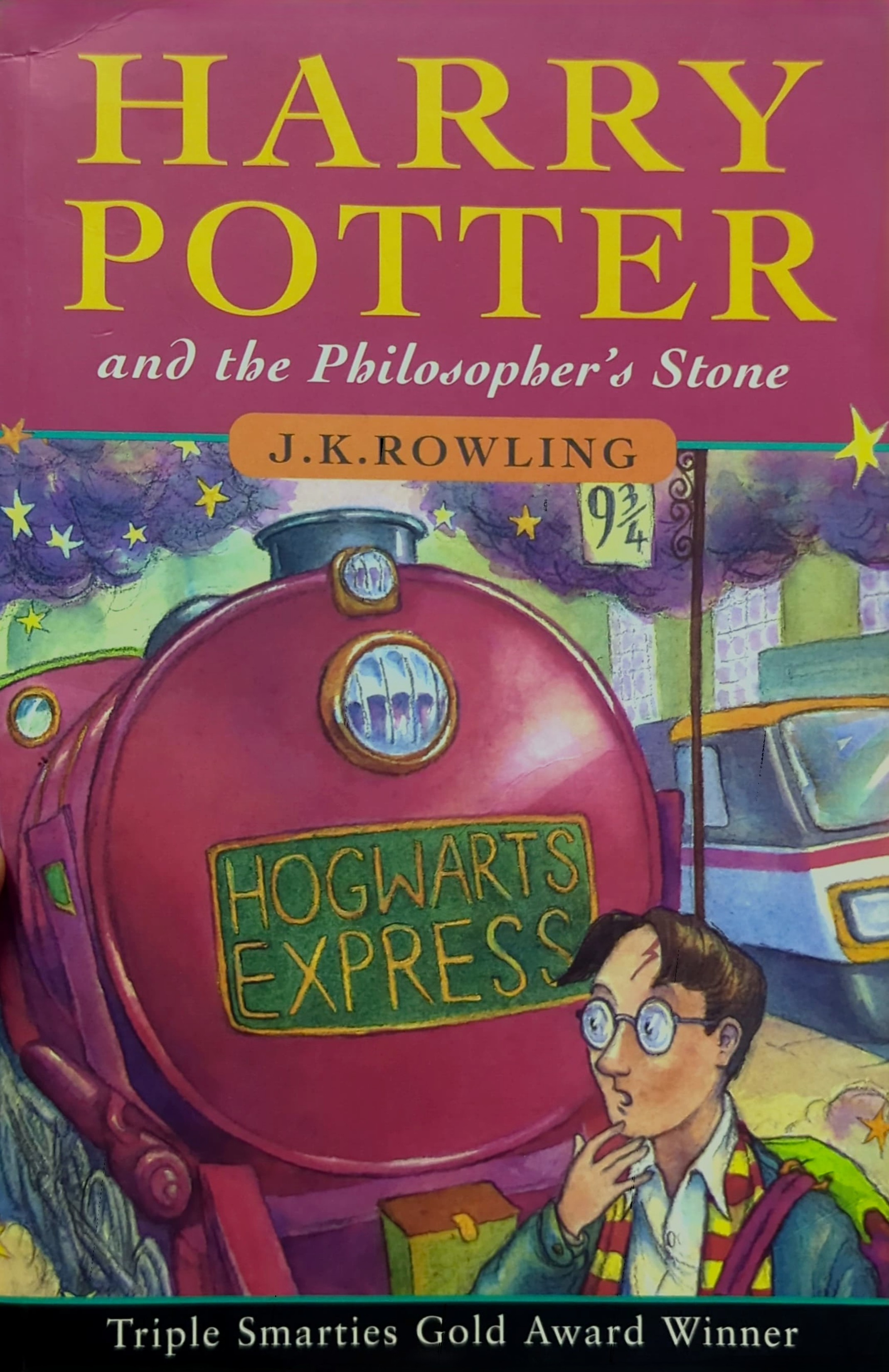
Forget your tired debates about the films; today we're getting down to brass tacks: which foundational fantasy novel built a more compelling, enduring world? On one side, we have the whimsical, wish-fulfillment powerhouse that launched a global phenomenon, Harry Potter and the Philosopher's Stone by J.K. Rowling. And on the other, the grandaddy of modern fantasy, the meticulously crafted, lore-rich universe of J.R.R. Tolkien, first introduced to many through the deceptively simple charm of The Hobbit, or There and Back Again. This isn't just about magic; it's about architecture – the narrative scaffolding that makes a fictional place feel more real than your own backyard.


Fantasy World-Building Showdown: What Makes a Universe Unforgettable?
Before we crown a champion, let's nail down what we're looking for. Great world-building isn't just about cool creatures or magic spells; it's about a fully realized reality that sparks the imagination and makes you yearn for an owl delivering a letter. In this head-to-head, we're dissecting:
- The immediate, tangible allure of Rowling's Wizarding World.
- Tolkien's unparalleled depth in linguistic and historical lore for Middle-earth.
- Comparing the sheer escapist power of attending Hogwarts versus embarking on an unexpected journey with dwarves.
- How specific authorial choices make readers want to live in these fantastical settings, not just visit them.
Contender One: The Wizarding World of Harry Potter
Rowling's initial foray into magic, Harry Potter and the Philosopher's Stone, is a masterclass in controlled reveal. The magic isn't overwhelming; it's seamlessly woven into the mundane, creating a world that feels just a brick wall or a hidden platform away. Diagon Alley, with its bustling shops and peculiar patrons, instantly captivates. Hogwarts itself, from the Sorting Hat ceremony to the moving staircases, feels less like a school and more like a living, breathing character. The genius lies in its relatability: a bullied orphan finds his place in a secret society, discovering ancient spells and fantastical creatures while navigating puberty. It's an invitation, not just a story.
Contender Two: Middle-earth, as introduced in The Hobbit
Tolkien's Middle-earth, as unveiled in The Hobbit, operates on a different scale entirely. This isn't a secret world tucked beside ours; it is the world, ancient and steeped in a history far grander than any single character. From the cozy, unassuming Shire to the perilous Mirkwood and the grandeur of the Lonely Mountain, every location feels weighty, imbued with centuries of legend and struggle. The world-building here is less about immediate wish-fulfillment and more about a profound sense of scale, a lingering feeling of untold stories and deep, resonant myths. It's a world that demands respect, not just a quick visit.
Head-to-Head: World-Building Dimensions
1. Immersive Setting & Atmosphere
- Harry Potter: 4/5. Rowling excels at sensory detail. You can practically taste Bertie Bott's Every Flavor Beans and feel the chill of the Forbidden Forest. The magic feels tangible, integrated into everyday life, making it astonishingly easy to picture yourself there, wandering the Great Hall or browsing in Ollivanders. The world is vibrant, colorful, and feels lived in.
- The Hobbit: 3.5/5. Tolkien's prose is evocative, painting sprawling landscapes and ancient forests with a meticulous hand. The Shire's comfort is palpable, and the creeping dread of Mirkwood is undeniable. However, the immersion is often achieved through a more distant, almost folkloric lens. It feels grand, but perhaps a touch less immediately tactile than Hogwarts' corridors.
2. Depth of Lore & History
- Harry Potter: 3/5. In Philosopher's Stone, the lore is drip-fed, serving the immediate plot and character development. We learn about Hogwarts founders and a recent dark wizard, but the deeper historical tapestry is largely hinted at, to be explored in later books. It's robust, but not the primary focus of this initial volume.
- The Hobbit: 4.5/5. This is where Tolkien truly shines, even in The Hobbit. The very language of the Elves, the ancient grudges of the Dwarves, the lingering evil of the Necromancer – it all suggests a vast, pre-existing mythology. The world feels ancient, with roots stretching back millennia, giving every stone and mountain a history that extends far beyond Bilbo's journey. It's a masterclass in subtle, profound world-building through implication and deep history. For more on this kind of literary gold, check out our piece, Stop Chasing Hype: Why Backlist Books Are Your Real Literary Gold.
3. Escapist Appeal & Desire to Live There
- Harry Potter: 5/5. This is Harry Potter's undisputed domain. Who hasn't secretly wished for an acceptance letter to Hogwarts? The appeal of learning magic, making friends in a secret, magical society, and solving mysteries is nearly universal. It's the ultimate fantasy of belonging and extraordinary discovery nestled within relatable childhood experiences.
- The Hobbit: 3/5. While Middle-earth is undeniably beautiful and full of wonder, it's also fraught with peril. Living in the Shire would be lovely, but beyond that, you're looking at dragon fire, goblins, and ancient evils. It's a fantastic world to visit as a reader, but perhaps less universally appealing as a permanent residence than the relative safety and wonder of Hogwarts.
4. Character Integration with World
- Harry Potter: 4.5/5. Harry's journey is the reader's journey into the Wizarding World. We discover its rules, its secrets, and its delights alongside him. The characters are deeply intertwined with the world's fabric, their identities and destinies shaped by magical laws, house loyalties, and hidden histories. This symbiotic relationship makes the world feel incredibly dynamic.
- The Hobbit: 3.5/5. Bilbo is largely an ordinary individual thrust into an extraordinary world. While he adapts and grows, the world often acts upon him, serving as a backdrop for his adventure rather than something he fundamentally reshapes or unlocks. The world's grandeur is observed through his often-reluctant eyes, making him a tour guide more than a true insider in the way Harry becomes.
The Verdict: A Clear Victor in World-Building
Despite Tolkien's unparalleled depth of lore, J.K. Rowling's Harry Potter and the Philosopher's Stone undeniably wins this world-building battle. While The Hobbit lays the groundwork for an epic mythology, Harry Potter's initial volume crafts a world that is more immediately immersive, more viscerally appealing, and more actively invites readers to dream of living within its pages. The wish-fulfillment factor, combined with seamless character integration and vibrant sensory detail, makes Hogwarts and its surrounding magical society an irresistible fantasy. Tolkien gives us a world to admire and respect; Rowling gives us a world to long for.
FAQ
Which book started the Harry Potter series?
[Harry Potter and the Philosopher's Stone](https://hardcover.app/books/harry-potter-and-the-philosophers-stone), also known as "Harry Potter and the Sorcerer's Stone" in the US, is the first book in J.K. Rowling's iconic series.
Is The Hobbit a prequel to The Lord of the Rings?
Yes, [The Hobbit](https://hardcover.app/books/the-hobbit) by J.R.R. Tolkien serves as a prequel to "The Lord of the Rings," introducing many key elements and characters, including Bilbo Baggins and the One Ring.
What defines great fantasy world-building?
Great fantasy world-building goes beyond mere description; it encompasses a consistent internal logic, rich history, unique cultures, and often a magic system that feels organic to the setting, making the world feel tangible and alive and compelling readers to want to explore it.