Your Bookshelf Is Lying To You: Ditch Genre, Curate By Mood
Forget rigid systems—true literary connection sparks from organizing your personal library by thematic resonance, not tired categories. Lit-Pop explains why.
Let's be brutally honest: if your bookshelf is organized strictly by author alphabetization or generic genre labels, you're doing it wrong. You're stifling the true potential of your personal library, reducing it to a mere catalog. We're in 2026, and our reading lives are too rich, too nuanced, and too personal for such bland categorization. The real magic of a curated collection lies not in rigid systems, but in how it speaks to your soul, how it feels. It's time to stop shelving by what a book is, and start shelving by what it does for you.
How to Curate a Personal Library That Truly Resonates
Forget dusty Dewey Decimal systems and embrace the emotional landscape of your reads. Here’s what we’ll cover to help you build a collection that serves your deepest literary cravings:
- Breaking Free from Genre Tyranny: Why traditional sorting methods betray your reading habits.
- The Power of Mood & Theme: Unlocking a more intuitive and fulfilling bookshelf experience.
- Re-evaluating Trending Classics: Discovering the true emotional utility of books like The Hobbit beyond their typical labels.
- Building Your Thematic Arsenal: Practical examples for creating a library that speaks to your every mood.
The Tyranny of Genre and the Bland Shelf Syndrome
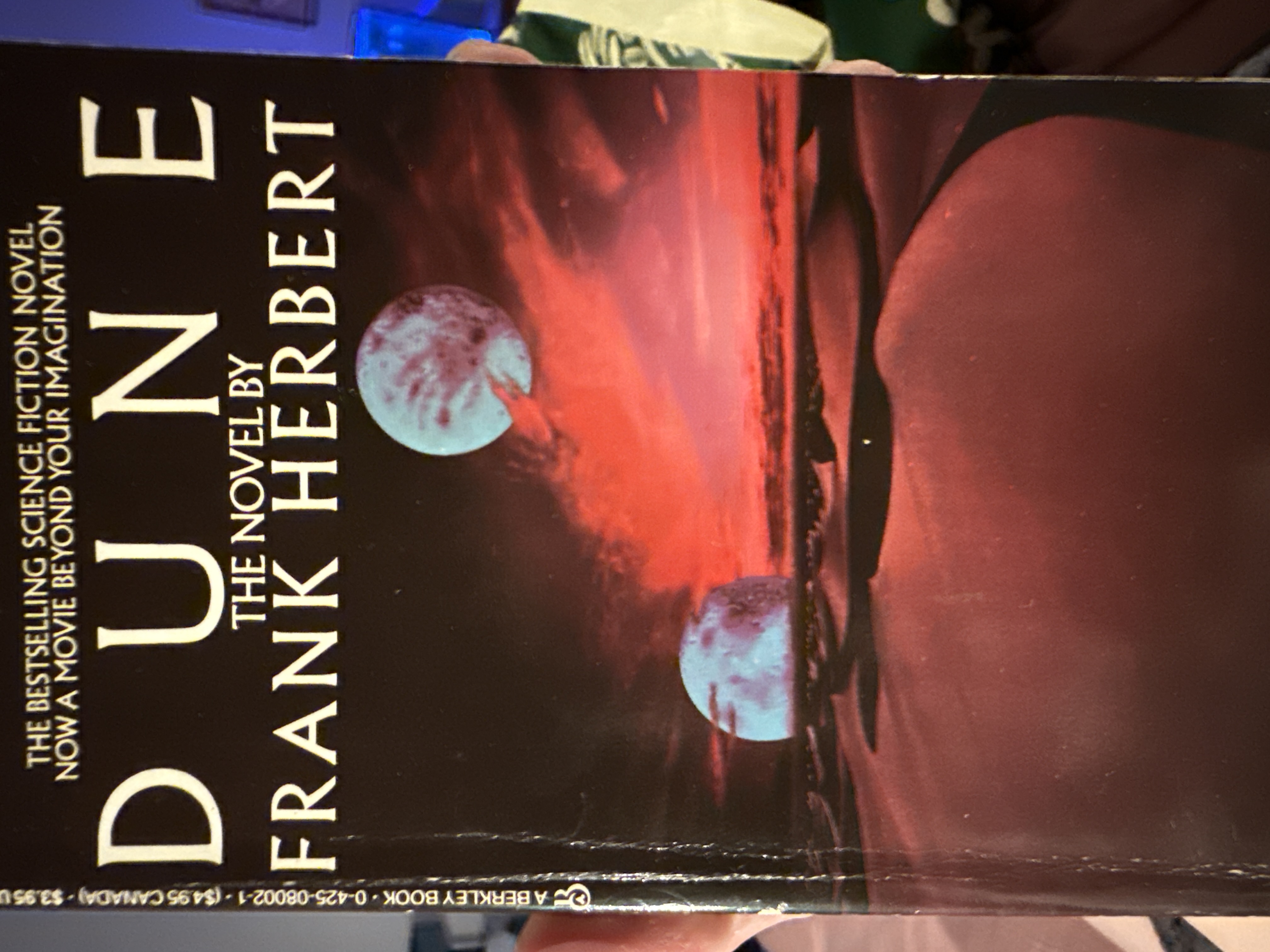
Go on, admit it. You've got your 'Fiction' section, maybe a 'Fantasy' or 'Sci-Fi,' perhaps a sad little corner for 'Non-Fiction.' But does this genuinely help you pick your next read when you're craving something specific? When you're reeling from a bad day and need pure escapism, do you want to wade through a shelf labeled merely 'Fantasy' that might contain both the dense political intrigue of Dune and a lighthearted whimsical tale? Absolutely not.
Traditional organization schemes, while practical for bookstores, are a disservice to the personal library. They reduce complex narratives to single descriptors, ignoring the emotional core that draws us to stories in the first place. 1984, for instance, isn't just 'Dystopian Classic'; it's 'Existential Dread, Political Disillusionment, and A Warning Against Totalitarianism.' To shelve it generically is to strip it of its immediate emotional relevance when you need that particular intellectual jolt.

The Unsung Hero: Why The Hobbit Deserves Its Own 'Comfort Adventure' Niche
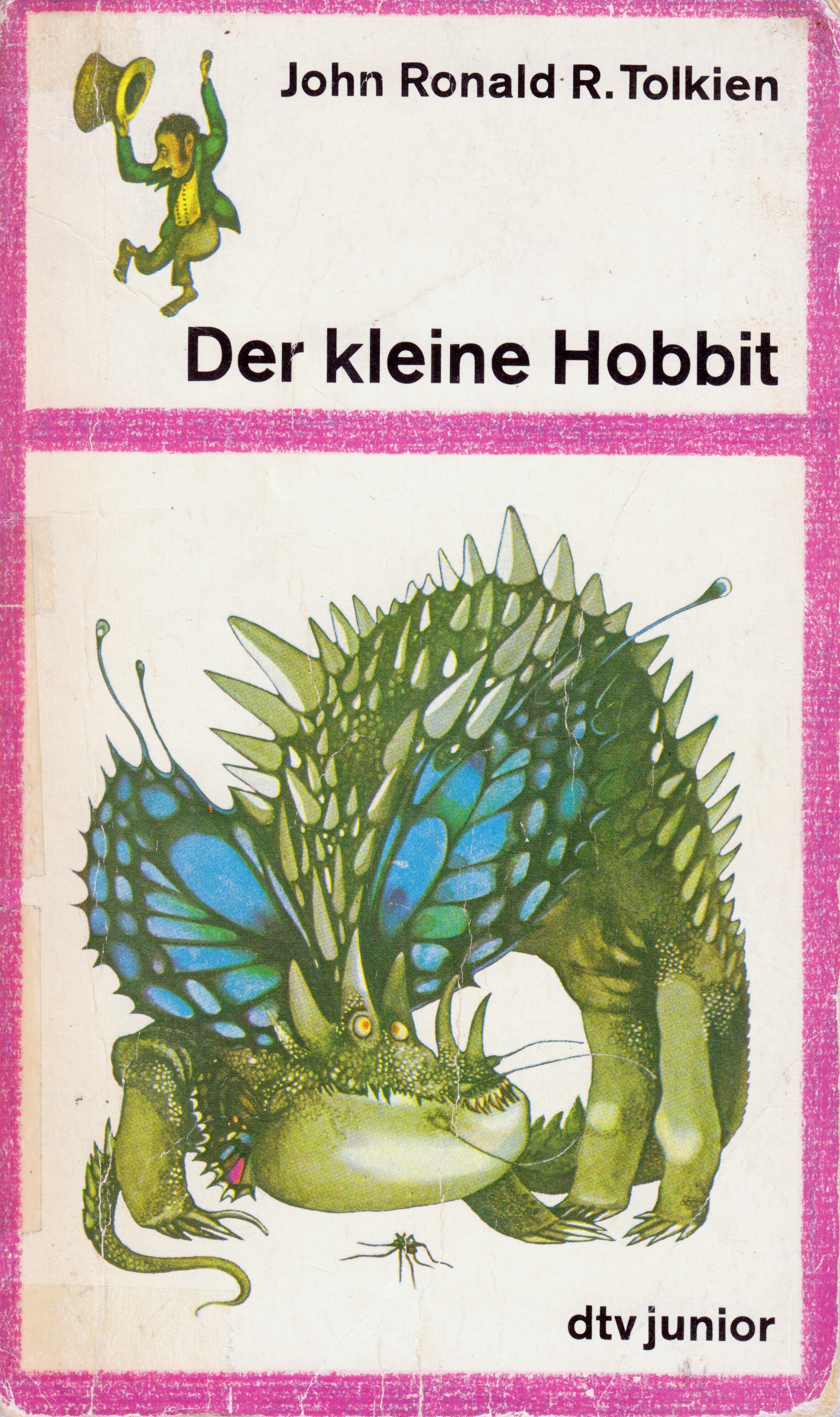
This brings me to my main point: some books are fundamentally misunderstood by their generic classifications. Take The Hobbit, or There and Back Again. Often relegated to 'Children's Fantasy' or simply 'Fantasy Classic,' its true brilliance on a curated shelf is as the undisputed champion of the 'Comfort Adventure' category.

While its status as a foundational epic is undeniable (and keenly debated, as seen in Foundational Debuts: Herbert's Dune Battles Tolkien's Hobbit), its unique charm lies in its gentle, meandering journey. Bilbo's unexpected adventure isn't about saving the world from ultimate evil (that's for another series entirely); it's about courage found in small places, the joy of a good meal, and the quiet satisfaction of a journey completed. It’s the literary equivalent of a warm blanket and a mug of tea, precisely why it's a perennial favorite for readers seeking solace and escape, fitting perfectly into the contemporary trend of Why Classic Fantasy Comforts Us in Chaotic Times.
Counterarguments will inevitably surface: "But I like seeing all my Tolkien together!" or "Genre helps me find what I want!" To that, I say: your personal library isn't a retail store. It's a sanctuary, a reflection of you. If you primarily reach for a book because of how it makes you feel, then that's how it should be organized. You'll still know where your Tolkien is, but now you’ll also know where to find pure, unadulterated 'Comfort Adventure' when you desperately need it.
Building Your Thematic Arsenal: Beyond Bilbo
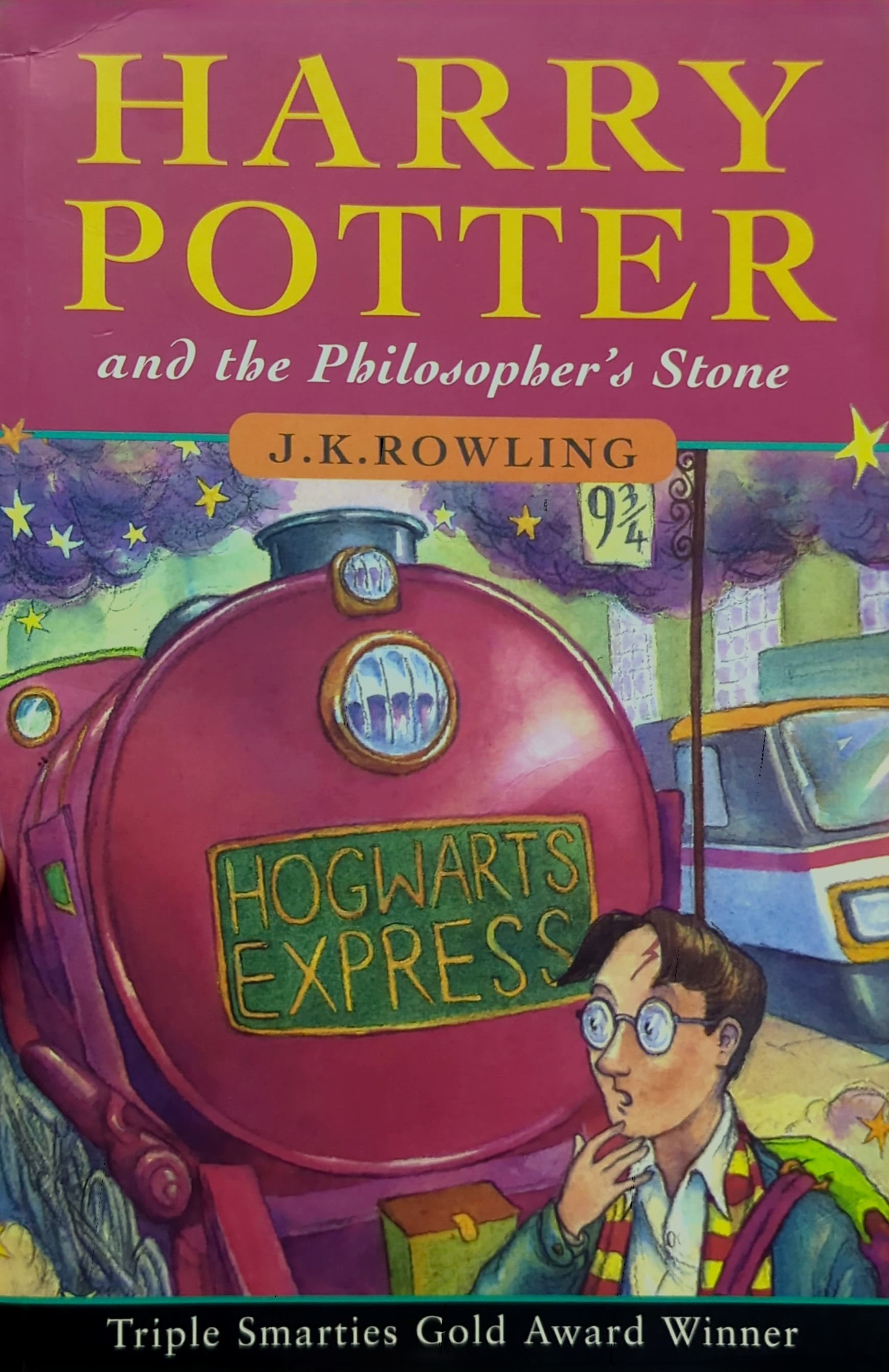
Once you embrace this philosophy, other trending titles snap into their rightful places. Project Hail Mary? That's your go-to for 'Ingenious Problem-Solving & Optimistic Human Spirit.' It's not just 'Sci-Fi'; it's a shot of pure, unadulterated joy in the face of impossible odds. The Harry Potter series, despite its sprawling nature, belongs firmly in 'Nostalgic Comfort & Magical Coming-of-Age.' Its appeal isn't just wizards; it's the feeling of returning home.
By building your bookshelf around these internal, emotional categories— 'Pulse-Pounding Thrills,' 'Intellectual Provocation,' 'Pure Escapism,' 'Bitter Truths,' 'Whimsical Delight'—you transform your collection from a mere display into a truly responsive, deeply personal resource. Your books aren't just objects; they're emotional tools, and your shelf should reflect their power.
Editor's Verdict
The Hobbit, or There and Back Again isn't just a classic; it's the gold standard for 'Comfort Adventure' on any well-curated bookshelf. Its enduring appeal lies in its unparalleled ability to provide warmth and gentle escapism, proving that the true value of a book is often found in the feeling it evokes, not just its genre label.
FAQ
What is mood-based bookshelf organization?
Mood-based organization arranges books by the feelings or experiences they evoke, such as 'cozy mysteries,' 'thrilling escapism,' 'intellectual challenge,' or 'pure comfort,' rather than strict genres or authors. It prioritizes emotional utility for the reader.
How do I start curating my personal library by theme?
Begin by reflecting on why you read certain books and how they make you feel. Group titles like *The Hobbit* under 'Comfort Adventure' or *1984* under 'Existential Dread,' then arrange your physical or digital shelves accordingly to create zones for your emotional needs.
Is it possible to combine mood-based organization with traditional methods?
Absolutely. You can start by creating broad 'mood zones' (e.g., 'Energizing Reads,' 'Reflective Journeys') and then within those zones, you might still alphabetize by author or subdivide by sub-genre for added structure. The key is to make it work for *your* personal reading habits.