Foundational Debuts: Herbert's Dune Battles Tolkien's Hobbit
Two titans of speculative fiction emerged with revolutionary first novels. Lit-Pop dissects which debut truly reshaped the literary landscape.
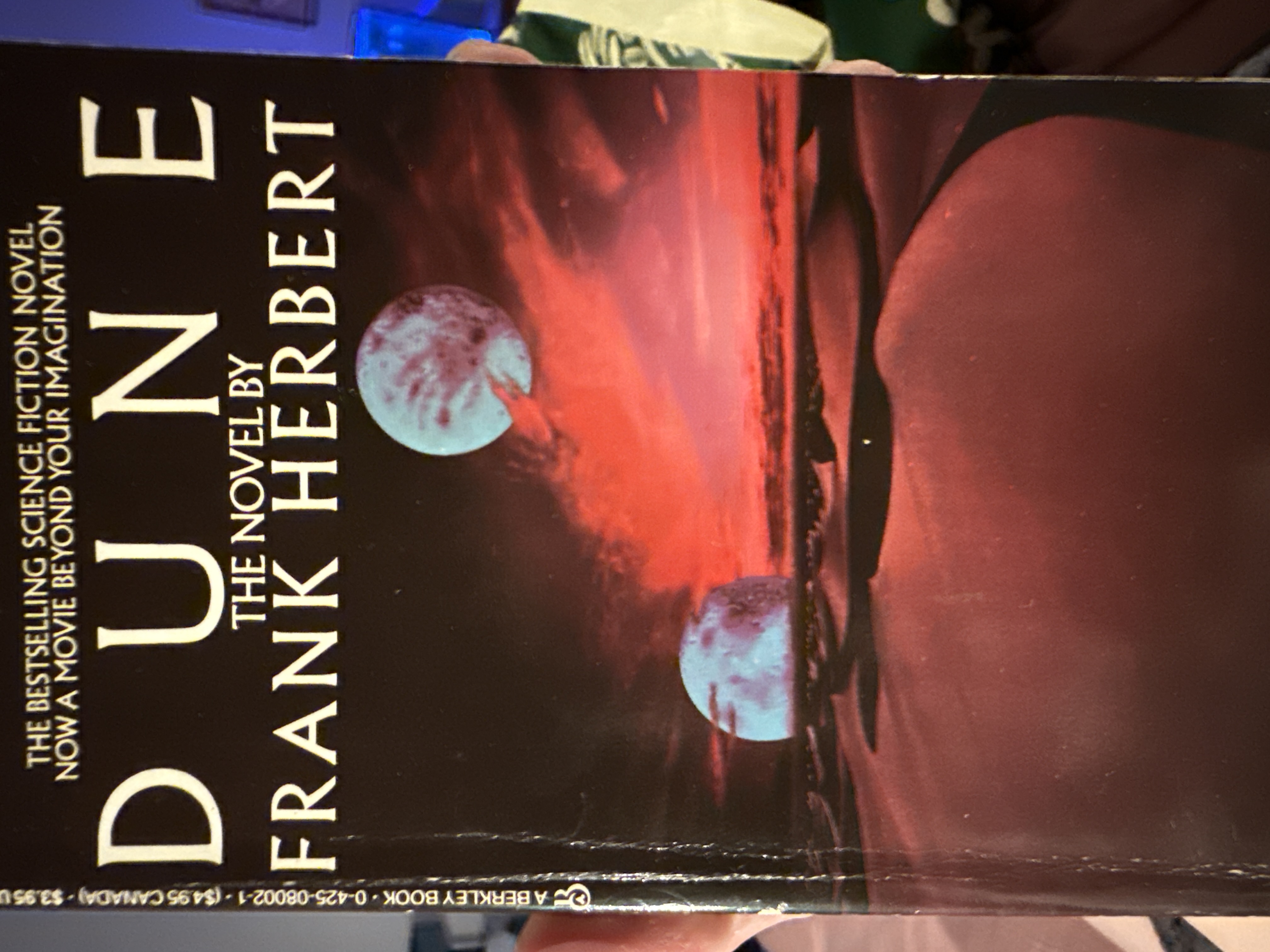
Forget the endless debates about sequels and adaptations; today, we're cutting straight to the genesis. Every literary giant has a beginning, a moment when their audacious vision first hit the page. For Frank Herbert and J.R.R. Tolkien, those moments were nothing short of seismic. We're pitting two of the most influential debut novels in speculative fiction history against each other: Dune and The Hobbit, or There and Back Again. This isn't just a clash of genres; it's a battle for the soul of foundational storytelling, revealing which first-time author truly laid the groundwork for an enduring legacy.
The Enduring Power of Literary Firsts
These aren't just old books trending again in April 2026; they're blueprints. Their persistent relevance speaks volumes about the sheer audacity and originality these authors brought to their very first novels. This article will dissect:
- The revolutionary world-building unique to each debut.
- The narrative and thematic depth that set them apart.
- Their distinct prose styles and accessibility for new readers.
- The lasting cultural impact each debut novel continues to wield.
Contender 1: The Spice Must Flow from Herbert's Pen

Frank Herbert's Dune, published in 1965, isn't just a science fiction novel; it's a meticulously crafted tapestry of politics, ecology, religion, and human evolution. As a debut, it arrived like a desert storm, leaving an indelible mark that no other first novel in its genre has quite matched. Herbert didn't just build a world; he built an ecosystem, a societal structure, and a philosophical framework so dense and believable, it felt ripped from a forgotten history book rather than an author's imagination. Its themes of environmentalism, resource scarcity, and the dangers of charismatic leaders are frighteningly prescient, resonating even more powerfully in 2026. This wasn't a cautious first step; it was a full-throttle sprint into the unknown, a grand statement from an author with an unshakeable vision.
Contender 2: An Unexpected Journey Begins with Tolkien

J.R.R. Tolkien's The Hobbit, or There and Back Again, hitting shelves in 1937, is arguably the foundational text for modern fantasy. Before Bilbo Baggins embarked on his unexpected journey, 'fantasy' as a genre was a very different beast. Tolkien, a philologist by trade, didn't just tell a story; he breathed life into a fully realized world, Middle-earth, with its own languages, histories, and mythologies. While The Hobbit itself is a lighter, more whimsical adventure, its roots run deep into the rich soil of European folklore and epic poetry. As a debut work of fiction, it showcased an author's unparalleled ability to create a sense of deep history and wonder, inviting readers into a world they wouldn't want to leave. For more on the allure of such realms, check out Why Classic Fantasy Comforts Us in Chaotic Times.
Head-to-Head: Battle of the Breakthroughs
1. World-Building & Originality
Dune: Herbert's Arrakis is a character in itself—a planet governed by its brutal ecology and the all-important spice. His synthesis of desert cultures, political machinations, and evolutionary biology was utterly groundbreaking. This wasn't just world-building; it was eco-system-building. Score: 5/5
The Hobbit, or There and Back Again: Tolkien's Middle-earth, even in its nascent form here, feels ancient and lived-in. While drawing on existing mythologies, he wove them into something uniquely his own, establishing tropes that would define fantasy for decades. It's charming, but the sheer, layered originality of Dune gives it the edge. Score: 4/5
2. Narrative & Thematic Depth
Dune: Herbert's narrative is a labyrinth of political intrigue, messianic prophecies, and moral ambiguity. He grapples with complex themes like genetic destiny, resource exploitation, and the cyclical nature of power. As a debut, its intellectual ambition is staggering, demanding repeated readings to fully unpack its layers. Score: 5/5
The Hobbit, or There and Back Again: A quintessential hero's journey, The Hobbit is a masterclass in adventure, bravery, and the corrupting influence of greed. Its themes are clear and resonant, particularly for a younger audience, but they don't possess the same intricate, multi-faceted philosophical weight as Dune. Score: 3/5
3. Prose & Accessibility
Dune: Herbert's prose is often dense, philosophical, and unyielding. He trusts his reader to keep up, throwing complex concepts and foreign terminology without excessive hand-holding. This can be intimidating for a first-time reader, though deeply rewarding for the dedicated. Score: 3/5
The Hobbit, or There and Back Again: Tolkien's narrative voice is warm, inviting, and often conversational, like a kindly storyteller. His language is accessible, his descriptions vivid, and the pacing keeps the reader engaged, making it a perfect entry point into high fantasy. For more on immersive worlds, consider Worlds Collide: Westeros vs. Temerant. Score: 5/5
4. Cultural Legacy as a Debut
Dune: Herbert's debut single-handedly carved out a niche for philosophical, ecological science fiction. Its influence is palpable across film, gaming, and literature, proving that a first novel could redefine a genre's intellectual boundaries. Score: 5/5
The Hobbit, or There and Back Again: Without The Hobbit, the modern fantasy genre simply wouldn't exist as we know it. It introduced millions to the concept of epic quests, fantastical races, and richly imagined worlds, directly paving the way for The Lord of the Rings and countless imitators. Its legacy is undeniable. Score: 5/5
And the Winner Is...
After a fierce contest, weighing the revolutionary spirit of both works, Frank Herbert's Dune edges out The Hobbit, or There and Back Again. While The Hobbit is an undisputed foundational text for fantasy, its more accessible, whimsical nature means its thematic depth, while present, doesn't quite match the sheer intellectual and structural complexity Herbert achieved in his first published novel. Dune was not just an introduction to a new world; it was a manifesto for a new kind of science fiction, bold, uncompromising, and terrifyingly intelligent. It dared to ask profound questions about humanity's future, power, and our relationship with the environment, all within a debut that felt fully formed and utterly unique.
Editor's Verdict
Editor's Rating: 9/10
Frank Herbert’s debut is a monumental achievement, a dense, prescient work that didn't just launch a series, but fundamentally altered the course of science fiction forever. Its enduring power in 2026 confirms its status as a masterpiece.
FAQ
Is Dune Frank Herbert's first published novel?
Yes, 'Dune' (1965) was Frank Herbert's first full-length novel, following a few short stories published earlier. It was originally serialized in Analog Science Fiction and Fact.
Was The Hobbit J.R.R. Tolkien's debut book?
While Tolkien had previously published academic works, 'The Hobbit, or There and Back Again' (1937) was his first published work of fiction and his first novel, initially conceived as a story for his children.
Which debut novel has had a greater cultural impact: Dune or The Hobbit?
Both are immensely influential. 'The Hobbit' essentially created modern fantasy, while 'Dune' redefined science fiction with its ecological, political, and philosophical depth, inspiring countless works across media.