Why Classic Fantasy Comforts Us in Chaotic Times
From Hogwarts to Middle-earth, audiences are flocking to foundational fantasy. It's more than nostalgia—it's a quest for literary solace.
In an era defined by relentless digital noise, global uncertainties, and a constantly shifting reality, it's no surprise that readers are seeking refuge. But where are they finding it? Not always in the latest viral sensation or the most brutal new release. Instead, there's a profound, almost primal gravitation back to the foundational texts of fantasy—the stories that built worlds and instilled wonder. This isn't just about revisiting childhood favorites; it's a cultural phenomenon, a collective yearning for narratives that offer clarity, escape, and a deep sense of literary comfort.
Why Are Classic Fantasy Books Trending Now?
As our world grows more complex, the appeal of escapist literature with clear stakes and immersive worlds only intensifies. Here's what we're dissecting:
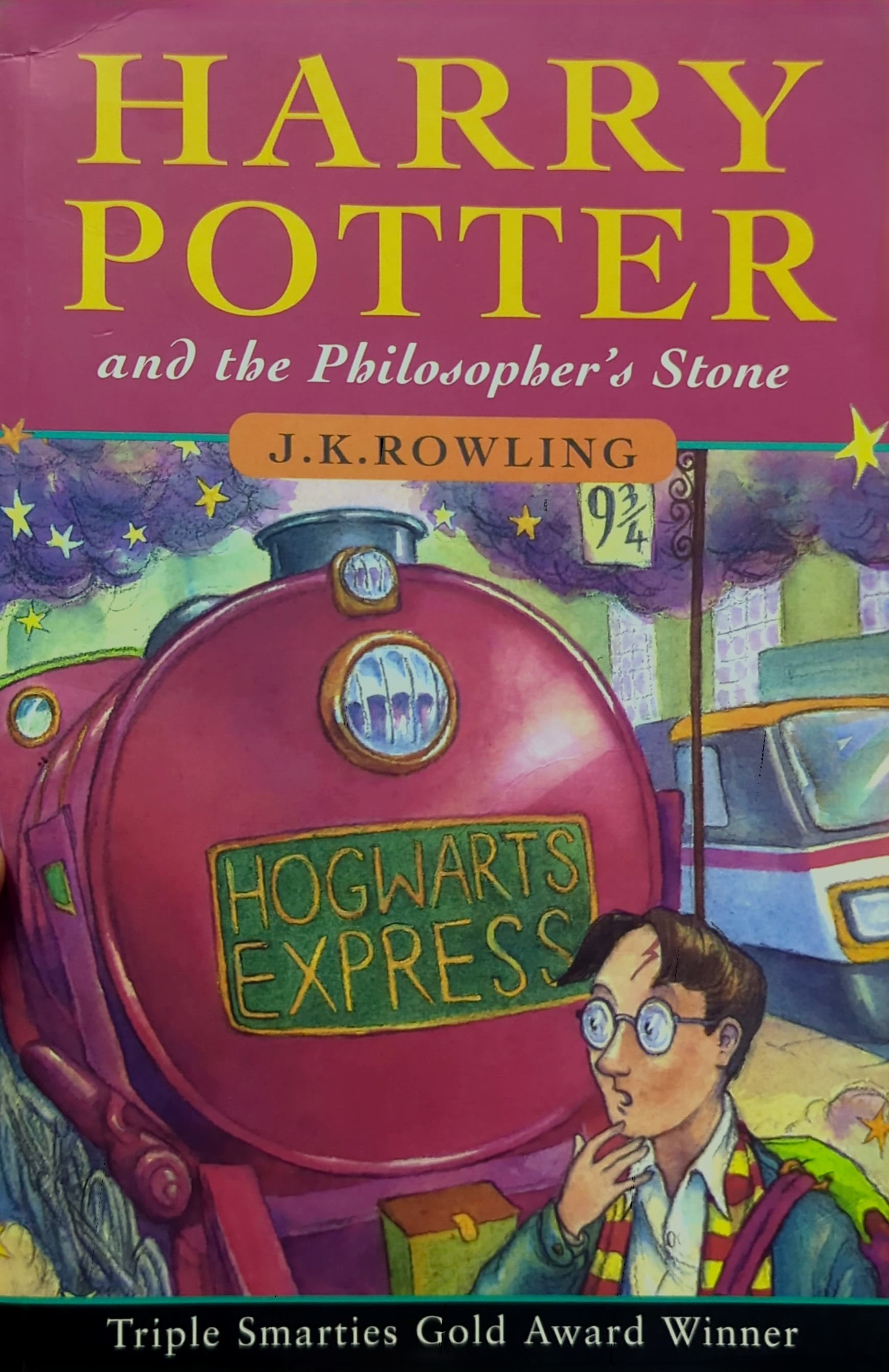
- The Enduring Magic of Harry Potter and the Philosopher's Stone: More than just a children's book, it's a blueprint for comfort.
- The Hobbit's Timeless Appeal: A different kind of foundational comfort, steeped in myth and gentle adventure.
- Literary Self-Care: What our reading habits reveal about our psychological needs in 2026.
- The Future of Fantasy: How this trend will reshape the publishing landscape.
The Unbreakable Charm of Hogwarts
Among the trending titles, Harry Potter and the Philosopher's Stone continues to weave its spell. Decades after its initial release, J.K. Rowling's debut remains a cornerstone for millions, drawing in new generations while offering a familiar embrace to older fans.

Its power lies in its impeccable world-building and its unwavering moral compass. Harry's journey from the Dursleys' cupboard to the grandeur of Hogwarts is the ultimate wish-fulfillment fantasy, a narrative that reassures us that magic exists, even if hidden. The structured school year, the clear-cut good versus evil, the predictable rhythm of classes and feasts—these elements provide a profound sense of order in a disordered world. When reality feels chaotic, diving into the wizarding world offers a reliable, cozy escape where even the darkest threats are ultimately faced with courage and friendship. It's not just a story; it's a literary weighted blanket.
The Ancient Wisdom of Middle-earth
Similarly, The Hobbit, or There and Back Again holds its ground as a foundational comfort read. J.R.R. Tolkien's masterpiece, predating Harry Potter by decades, offers a different, yet equally potent, brand of escapism.

While Hogwarts hums with youthful energy, The Shire offers a deep, ancestral comfort. Bilbo Baggins's reluctant journey into the wider world isn't about grand magical powers, but about the understated heroism of a small individual finding courage. The world of Middle-earth, meticulously crafted and rich with history, feels ancient and stable. Its beauty lies in its detail, its songs, its simple pleasures of food and friendship, and the clear distinction between good-natured folk and the encroaching darkness. It reminds us that even epic adventures can start from a cozy armchair and return to one, reinforcing a sense of security and belonging. For a deeper dive into fantasy realms, you might enjoy our take on Hogwarts vs. Middle-earth: The Ultimate Fantasy World-Building Battle.
The Search for Literary Solace
What does this enduring popularity of classic fantasy tell us about audiences in 2026? It's not simply a lack of imagination for new stories. Rather, it's a conscious choice for literary solace. In a world saturated with ephemeral content and algorithmic suggestions, readers are actively seeking narratives that offer deep immersion, predictable comfort, and a sense of moral grounding. These books provide a mental sanctuary, a place to process complex emotions through a simpler, more archetypal lens. It's a form of literary self-care, a deliberate act of choosing stability and wonder over constant novelty and anxiety. This desire for active, deep engagement also fuels the rise of Reading Challenges Reign in 2026.
The Future of Fantasy: Cozy Escapism Reigns Supreme
This trend isn't a passing fad; it's a signal. Publishers will likely continue to lean into re-marketing classic fantasy titles and seeking out new authors who can capture that same sense of wonder, moral clarity, and immersive world-building. The burgeoning
FAQ
Why are classic fantasy books experiencing a resurgence in popularity?
Classic fantasy books offer readers a sense of comfort, escapism, and moral clarity amidst real-world anxieties and information overload. Their familiar narratives and deeply immersive worlds provide a reliable sanctuary.
What characteristics define a 'comfort read' in the fantasy genre?
Comfort reads in fantasy often feature well-defined moral codes, predictable narrative structures, richly detailed and immersive worlds, and a sense of wish-fulfillment or gentle adventure, offering a mental balm to readers.
Will this trend impact future fantasy literature?
Yes, this trend is likely to influence publishing, leading to more emphasis on re-releases of beloved classics and encouraging new authors to explore 'cozy fantasy' and narratives that prioritize wonder, immersive world-building, and comforting themes.