Unpopular Opinion: 'Chamber of Secrets' is the Weakest Link in Early Harry Potter
Amidst a sea of classics, J.K. Rowling's second Harry Potter installment stubbornly trends. But is its popularity a testament to true merit, or just franchise inertia?
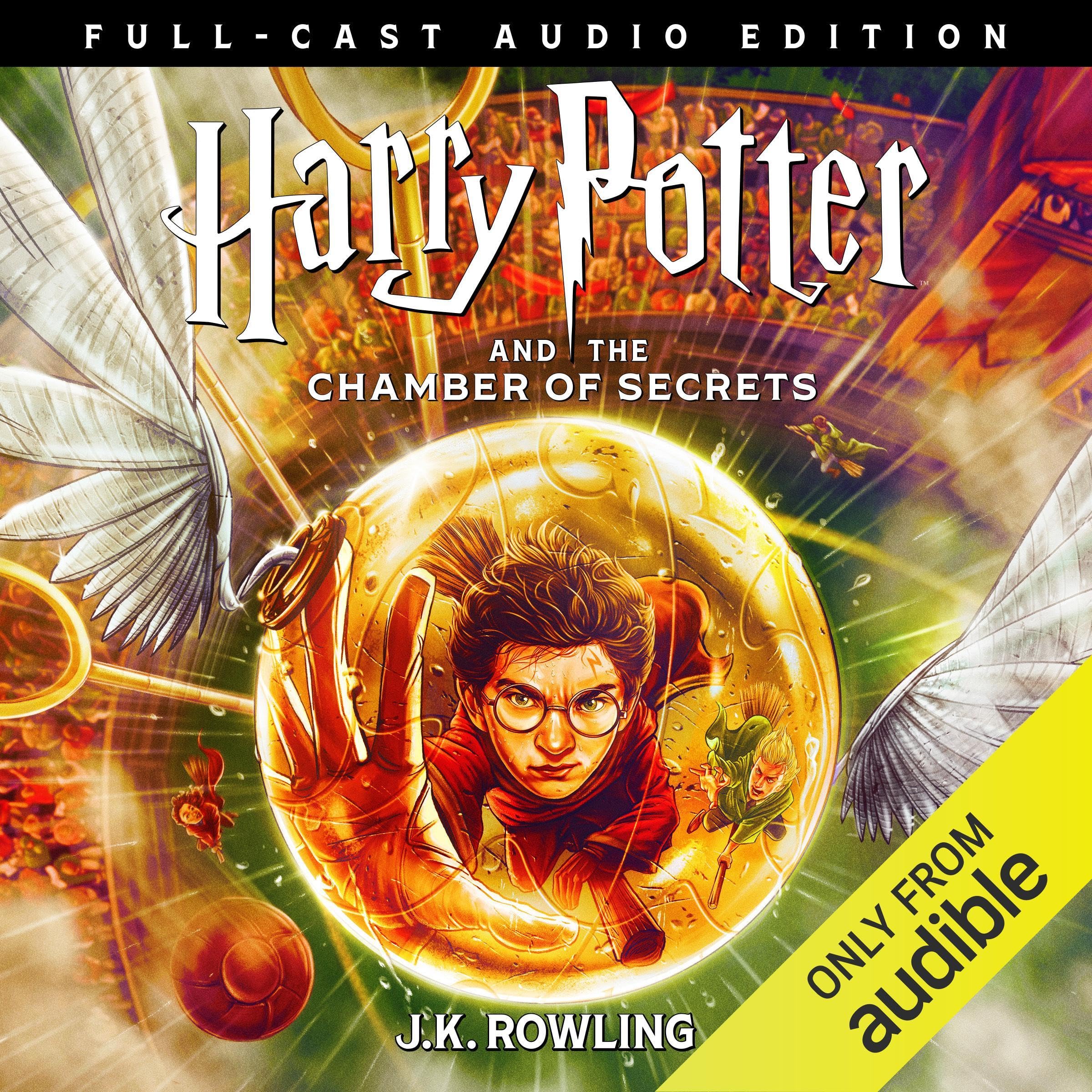
The wizarding world of Harry Potter continues to cast a long shadow over literary trends, with multiple entries from J.K. Rowling's beloved series consistently appearing on 'most read' and 'trending' lists. And, let's be honest, who can blame the masses? Escapism is a powerful drug, and Hogwarts is the ultimate fix. Yet, amidst the fervent re-reads and nostalgic praise, one particular title persists with an almost baffling tenacity: Harry Potter and the Chamber of Secrets. While it’s undeniably part of the foundational magic, it’s high time we admit this installment is a glittering monument to mediocrity, propped up solely by the strength of its siblings.

Why Are Readers Still Clinging to Chamber of Secrets in 2026?
Despite its narrative shortcomings, Chamber of Secrets holds a peculiar grip on readers. This literary trend tells us something specific about reader habits:
- Nostalgia is King: For many, it's the comfort of revisiting a familiar, safe world.
- Franchise Loyalty: As part of a beloved series, it gets a pass simply by association.
- Lore Expansion: It introduces key elements (like Horcrux foreshadowing, Dobby, basilisk lore) that become crucial later.
- Accessible Entry: Its straightforward mystery makes it an easy, undemanding read.
The Illusion of Depth: Why Chamber of Secrets Falls Short
Yes, I said it. While Philosopher's Stone set the stage with wonder and Prisoner of Azkaban blew the doors off with narrative complexity, Chamber of Secrets often feels like a protracted setup for a slightly convoluted reveal. Harry's journey largely revolves around being a convenient target, rather than driving his own destiny. He's less an agent of change and more a reactive participant, stumbling into danger rather than actively seeking it out or growing from it.
The character development, a hallmark of the series, takes a backseat. Harry, Ron, and Hermione largely tread water, their individual quirks emphasized without significant internal shifts. Compare this to Ron's internal struggles with family expectations in later books or Hermione's increasingly vital intellectual contributions. Here, they're mostly along for the ride, reacting to events rather than shaping them.
Furthermore, the pacing can be a slog. The mystery of the Chamber itself, while intriguing, feels less organically woven into the fabric of Hogwarts and more like a convenient plot device. Tom Riddle's diary, a brilliant concept, drives the narrative with a certain mechanical precision that lacks the emotional resonance and genuine menace of later antagonists. Lucius Malfoy, while delightfully villainous, feels like a caricature rather than a truly insidious threat.
Acknowledging the Spark (Before Extinguishing It)
To be fair, Chamber of Secrets isn't entirely without merit. It introduces Dobby, a fan-favorite who offers a poignant glimpse into the darker side of wizarding society. The reveal of the basilisk and the subsequent showdown in the Chamber are thrilling, albeit somewhat detached from Harry's emotional core. And yes, the subtle hints at darker magic (like the memory manipulation of the diary) do lay groundwork for the series' grander arc. It’s a bridge, certainly, but a rather wobbly one between two far more solid structures.
Time to Demand More from Your Magic
So, why am I railing against this seemingly innocuous entry? Because its persistent popularity represents a concerning trend: readers, especially in the fantasy genre, are too often content to re-read what's comfortable and familiar, even when superior alternatives exist—or when better books are literally within the same series! We cling to the 'classic' status of entire franchises, overlooking the weaker links, instead of seeking out fresh narratives with more robust character development and innovative world-building. It's time to break free from the comfort blanket of the known.
Instead of another passive re-read of the weaker entries, challenge yourself. Engage with narratives that demand more from their protagonists and offer truly original takes on magic and coming-of-age. Don't be afraid to step outside the well-trodden paths. For those seeking truly unputdownable experiences, check out our Binge-Worthiness Battle: Lit-Pop Ranks Your Next Unputdownable Reads for ideas that truly earn their keep.
Like this take? Give it a like! And maybe, just maybe, pick up something new next time.
FAQ
What key magical elements are introduced in 'Chamber of Secrets'?
'Chamber of Secrets' introduces the concept of Horcruxes (though not by name, via Tom Riddle's diary), the house-elf Dobby, the basilisk, and delves into the history of Salazar Slytherin and the Chamber itself.
Is 'Chamber of Secrets' considered a children's book?
Yes, 'Harry Potter and the Chamber of Secrets' is widely considered a children's fantasy novel, albeit one that begins to introduce darker themes and more complex moral dilemmas as the series progresses.
Why does 'Chamber of Secrets' remain popular on trending lists?
Its enduring popularity stems from its place within the immensely popular Harry Potter series, strong nostalgic appeal for readers who grew up with the books, and its role in expanding the wizarding world's lore.