The Hunger Games vs. Goblet of Fire: YA's Fiercest Battle
Forget your calming tea; Lit-Pop pits Suzanne Collins' dystopian grit against J.K. Rowling's magical maturity in a battle for Young Adult supremacy this April 2026.
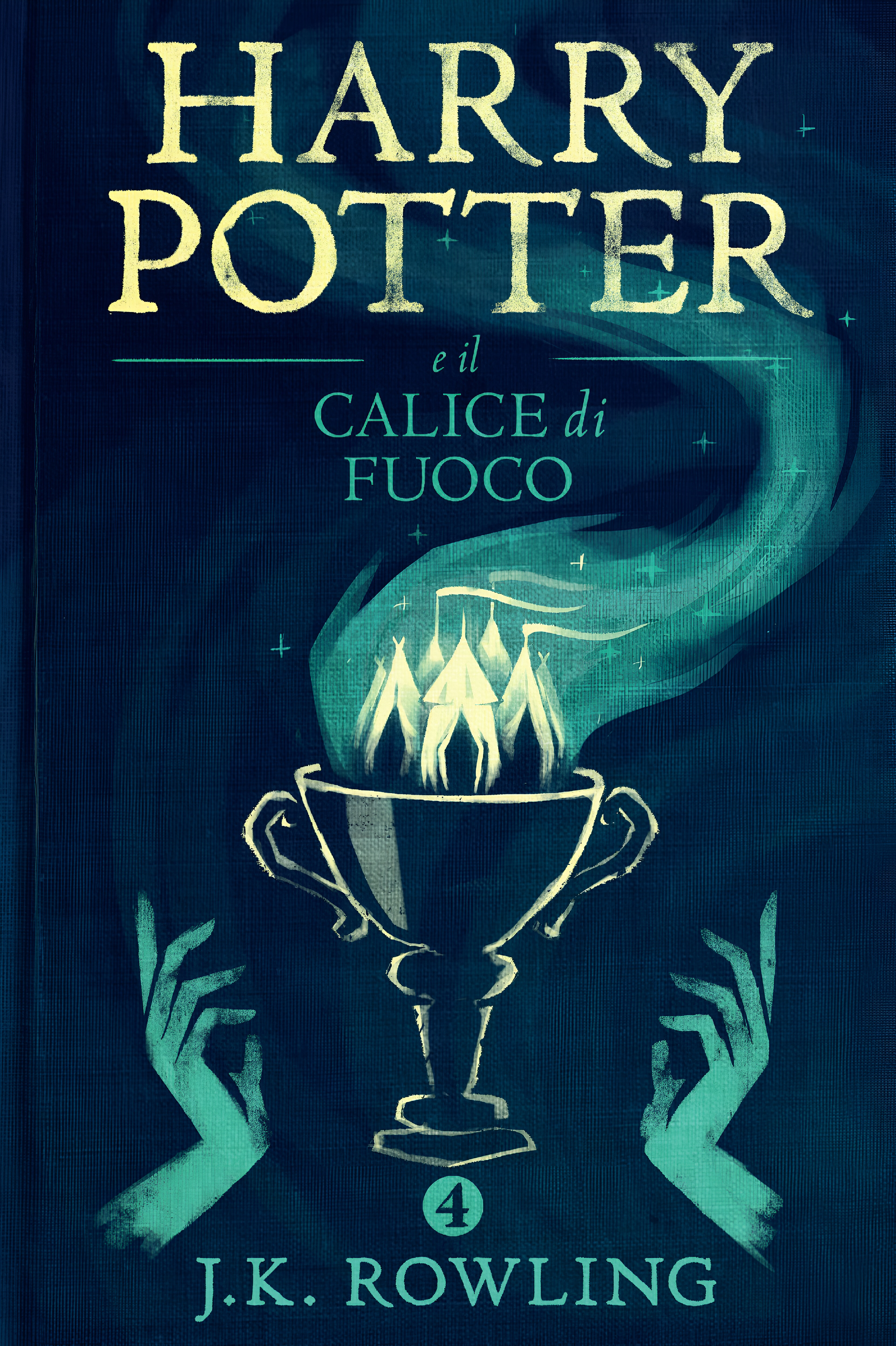
Forget your warm blankets and chamomile tea, Lit-Pop isn't here for 'cozy Sunday reads' today. We're ripping open the pages of two Young Adult titans that redefined a generation: Suzanne Collins' brutal The Hunger Games and J.K. Rowling's increasingly dark Harry Potter and the Goblet of Fire. This isn't about comfort; it's about claiming the crown for literary dominance. Both books arrived at crucial junctures for their respective series, escalating stakes and deepening their worlds, but only one can truly reign supreme in the YA pantheon.
Which YA Epic Truly Defined a Generation?
- Dystopian Grit vs. Magical Maturity: We dissect the foundational narratives.
- Plot Twists and Character Arcs Unpacked: Who boasts the more compelling cast and narrative propulsion?
- Enduring Cultural Legacies Compared: Which saga left the bigger, more relevant mark?
- Which Epic Demands a Reread? Our definitive take on long-term engagement.
The Contenders

First, we have Suzanne Collins' electrifying The Hunger Games. A relentless, incisive critique of reality TV, political oppression, and the human cost of spectacle, it catapulted readers into the harrowing world of Panem and its reluctant hero, Katniss Everdeen. It’s a gut-punch of a read, leaving no room for complacency. For another angle on its impact, revisit Azkaban vs. The Hunger Games: Which YA Classic Reigns Supreme?.

Then, there's J.K. Rowling's monumental Harry Potter and the Goblet of Fire. This entry marked a pivotal, darker turn for the Wizarding World, introducing the Triwizard Tournament, international magic, and the terrifying resurgence of Voldemort. It's a sprawling epic that demands your full attention, a significant departure from the lighter fare of earlier installments. We've previously discussed its world-building prowess in The Hobbit vs. Goblet of Fire: Which Fantasy Epic Reigns Supreme?.
Head-to-Head Comparison
Story & Plot: The Narrative Gauntlet
Collins' The Hunger Games is a masterclass in tight, high-stakes storytelling. From the moment Katniss volunteers, the narrative is a relentless, propulsive force, each chapter building unbearable tension. The arena itself is a brilliantly crafted antagonist, and the character dynamics are distilled to their most brutal essentials. There's no fat on this story; it's lean, mean, and utterly gripping. Rowling's Goblet of Fire, while ambitious, suffers from some pacing issues. The first third, with its Quidditch World Cup and meandering buildup, feels almost like a different book. However, once the Triwizard Tournament begins and Voldemort's return takes center stage, the plot becomes undeniably epic, delivering one of the most shocking and impactful climaxes in the entire series. It's a slow burn that ignites into a firestorm, but the journey there can be a bit bumpy.
- The Hunger Games: 9/10
- Harry Potter and the Goblet of Fire: 8/10
World-Building & Atmosphere: Dystopia's Chill vs. Magic's Embrace
Panem, the world of The Hunger Games, is a chilling, stark mirror to our own societal anxieties. The opulence of the Capitol, fueled by the suffering of the districts, creates a visceral contrast that makes the world feel terrifyingly real. It's a stark, brutalist vision that lingers long after you've closed the book. Goblet of Fire expands the Wizarding World dramatically. We glimpse other magical schools, international politics, and the darker underbelly of magical society. The atmosphere shifts palpably, moving from charming wonder to genuine dread, deepening the magic while simultaneously making it more dangerous. This book truly matures Hogwarts, making it a place of both wonder and genuine peril. For more on the breadth of the Wizarding World, don't miss our analysis of Hogwarts vs. Middle-earth: The Ultimate Fantasy World-Building Battle.
- The Hunger Games: 8/10
- Harry Potter and the Goblet of Fire: 9/10
Character Depth: Reluctant Hero vs. Burdened Chosen One
Katniss Everdeen is one of YA's most iconic protagonists, a reluctant hero forged in the fires of necessity. Her inner turmoil, her fierce protectiveness, and her struggle with identity are exquisitely rendered. Peeta and Gale provide compelling foils, and even secondary characters like Haymitch are imbued with a potent, cynical wisdom. Their motivations are clear, born of survival and desperate hope. In Goblet of Fire, Harry enters true adolescence, grappling with fame, burgeoning crushes, and the terrifying weight of his destiny. The book introduces memorable new characters like Cedric Diggory, Viktor Krum, and Fleur Delacour, each adding distinct flavors to the magical tapestry. While Harry's growth is significant, some new characters feel a bit thinly sketched compared to the established core trio and their complex internal lives.
- The Hunger Games: 9/10
- Harry Potter and the Goblet of Fire: 8/10
Cultural Impact & Legacy: Echoes of Rebellion vs. A Global Phenomenon
The Hunger Games didn't just sell books; it ignited a dystopian YA craze, inspiring countless imitators and a blockbuster film franchise that cemented its place in pop culture. Its themes of economic inequality, government surveillance, and the power of media manipulation remain fiercely relevant today, sparking real-world conversations among readers and critics alike. Goblet of Fire, however, is part of a phenomenon that transcends mere trends. It's a pivotal entry, solidifying the series' global dominance and preparing readers for the darker, more complex narrative arc to come. Its influence on fantasy literature and mainstream reading habits is unparalleled, making it a cultural touchstone for millions around the world.
- The Hunger Games: 9/10
- Harry Potter and the Goblet of Fire: 9/10
Rereadability: Revisiting the Trauma vs. Unpacking the Magic
While The Hunger Games is undeniably gripping, its intense, traumatic narrative can be a challenging reread. Knowing the twists and the fates of the characters can diminish some of the initial shock, though its thematic depth still rewards repeat visits. It's a book you appreciate for its impact, but perhaps don't rush back to for comfort. Goblet of Fire, on the other hand, is a feast for repeated readings. The intricate details of the Triwizard tasks, the developing relationships, the subtle foreshadowing of future events, and the sheer joy of returning to the Wizarding World make it endlessly engaging. There's always something new to uncover, a hidden thread to follow, making it a truly immersive experience time and again.
- The Hunger Games: 7/10
- Harry Potter and the Goblet of Fire: 9/10
Editor's Verdict
Despite The Hunger Games' raw power and thematic punch, Harry Potter and the Goblet of Fire emerges as the superior YA epic in this brutal showdown. Its expansive world-building, intricate plot, and enduring rereadability ultimately cast a longer, more potent spell.
Scoring Breakdown
| Category | The Hunger Games | Harry Potter and the Goblet of Fire |
|---|---|---|
| Story & Plot | 9 | 8 |
| World-Building & Atmosphere | 8 | 9 |
| Character Depth | 9 | 8 |
| Cultural Impact & Legacy | 9 | 9 |
| Rereadability | 7 | 9 |
| TOTAL | 42 | 43 |
FAQ
Why is Harry Potter and the Goblet of Fire considered a turning point in the series?
It marks a significant tonal shift from lighter children's fantasy to a darker, more mature narrative, dealing with death, political corruption, and the definitive return of Lord Voldemort, setting the stage for the final books.
What themes does The Hunger Games explore that remain relevant today?
The Hunger Games critically examines themes such as media manipulation, income inequality, government control, the ethics of entertainment, and the psychological toll of war and survival, all of which resonate strongly with contemporary societal issues.
Which book is longer, The Hunger Games or Harry Potter and the Goblet of Fire?
Harry Potter and the Goblet of Fire is significantly longer than The Hunger Games. It is one of the longest books in the Harry Potter series, while The Hunger Games is a relatively concise novel.