Ditch the Arena: Animal Farm is the Dystopian Masterpiece Hunger Games Fans *Actually* Need
Forget YA-lite battles; if you truly appreciate socio-political commentary, George Orwell's timeless allegory offers a far more potent and enduring critique of power than Suzanne Collins ever could.
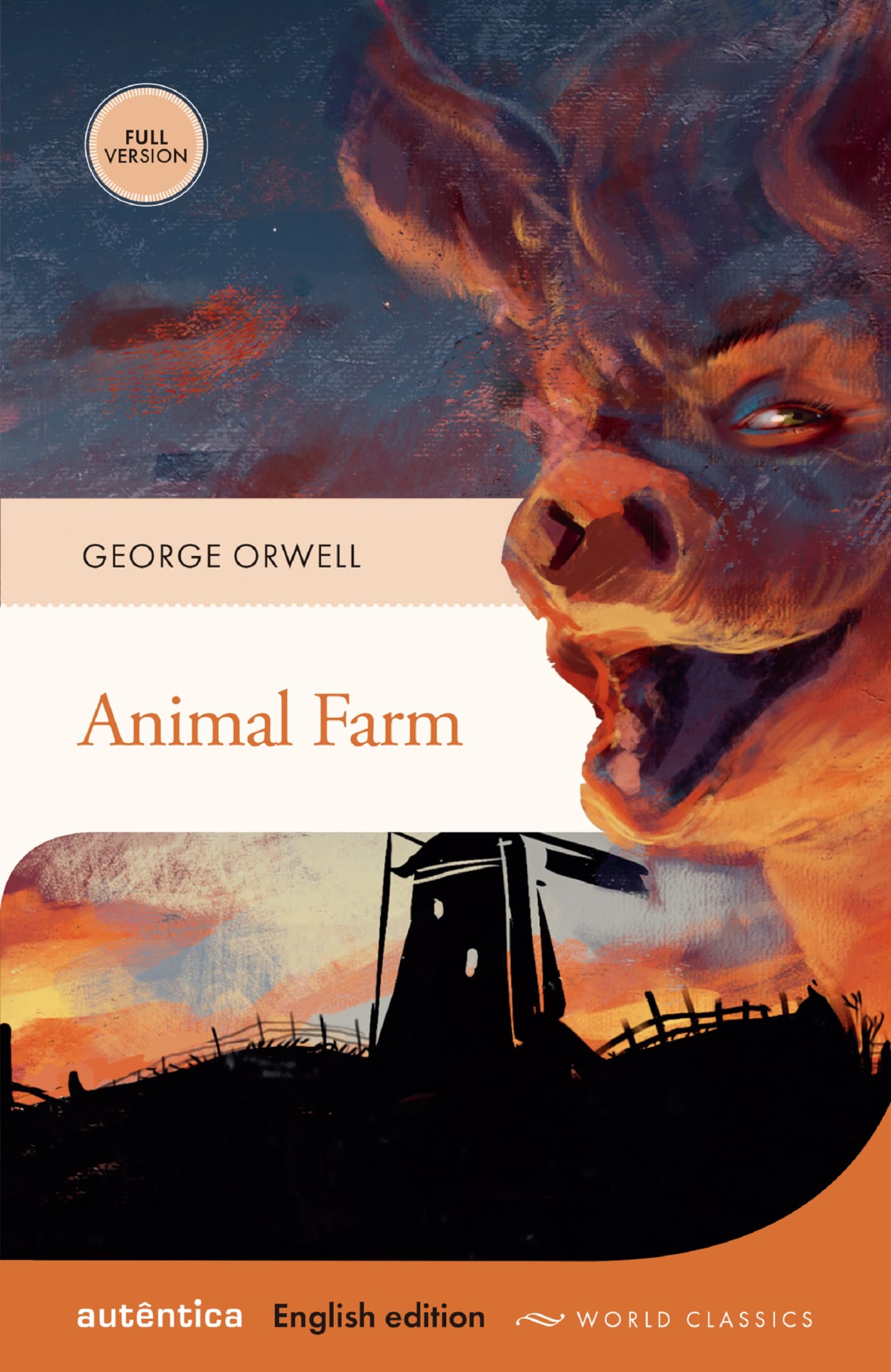
Modern dystopian readers, particularly those who gravitate to The Hunger Games, are routinely misdirected. They praise Suzanne Collins for political sharpness, but their understanding of true, incisive social critique is woefully underdeveloped. The real gem, the book that truly dissects power and propaganda with surgical precision, is George Orwell's Animal Farm, and it's criminally underrated as the essential next step for anyone looking to deepen their engagement with dystopian themes. It's time to stop treading water in Panem and dive into the chilling, resonant truths of a farm gone revolutionary.
Beyond Panem: Unpacking True Dystopian Insight
- Identifying the core appeal of The Hunger Games fans.
- Critiquing common dystopian recommendations for their superficiality.
- Advocating for Animal Farm as a superior, more relevant follow-up.
- Exploring Animal Farm's enduring themes of power, corruption, and societal control.
The Hunger Games: A Primer, Not a Masterclass
Let's be clear: The Hunger Games is an undeniable cultural phenomenon. It's a gripping, fast-paced narrative that effectively introduces young readers to concepts of inequality, government oppression, and the brutal cost of rebellion. Katniss Everdeen's journey through the deadly arena, her reluctant rise as a symbol, and the clear-cut villainy of the Capitol make for compelling, accessible storytelling.

However, its strength lies in its simplicity. The allegory is often blunt, the villains overtly cartoonish, and the socio-political commentary, while present, rarely demands the kind of complex, uncomfortable introspection that truly profound dystopian literature should. It's a fantastic entry point, a primer on anti-establishmentarianism, but it's not the final destination for those truly seeking to understand the mechanics of power. If you're looking for a quick read, it's fine, but if you're seeking substance, it falls short. (For more on its YA struggles, check out our piece on The Hunger Games vs. Goblet of Fire: YA's Fiercest Battle).
Why Your Usual Follow-Ups Miss the Mark
The knee-jerk recommendations for The Hunger Games fans are predictably unsatisfying: Divergent, The Maze Runner, or any other YA series featuring a plucky protagonist in a crumbling society. These books are, frankly, genre exercises that double down on action sequences and chosen-one tropes, completely sidestepping the nuanced social commentary that should be the takeaway from Collins' work. They offer more of the same superficial thrills, rather than challenging readers to think deeper about the very systems The Hunger Games purports to critique. You're seeking depth, not just another arena.
The Underrated Powerhouse: Animal Farm
If you truly loved The Hunger Games for its social commentary, for its glimpse into how power corrupts and systems fail, then your next read isn't another YA blockbuster. It's George Orwell's Animal Farm.

Orwell's genius lies in crafting a devastatingly complex political allegory using deceptively simple prose. This isn't just a story about talking animals; it's a chilling, visceral demonstration of how revolutions devour their own, how language is weaponized to control narratives, and how power, once consolidated, invariably corrupts. The slow, insidious rise of the pigs, the chilling revision of history culminating in the infamous mantra "All animals are equal, but some animals are more equal than others," and the quiet, heartbreaking despair of characters like Boxer offer a far more profound and nuanced understanding of totalitarianism than any young adult novel. It's not a clear-cut battle of good versus evil; it's a stark portrayal of how quickly ideals can be twisted and how easily the oppressed can become the oppressors. This foundational text for understanding political cycles resonates far more deeply with the intent behind enjoying The Hunger Games' critique of society than any other contemporary dystopian. For another deep dive into Orwell's terrifyingly relevant insights, see our piece on Big Brother's Enduring Glare: Why Orwell's 1984 Still Haunts Us. Give it a read; you won't regret it (though you might lose some sleep). And don't forget to like this post if you agree!
Editor's Verdict
A masterclass in allegorical storytelling, Animal Farm remains a shockingly relevant and potent dissection of power, corruption, and the slow creep of totalitarianism. It's the essential, uncomfortable truth modern dystopian fans need to confront.
FAQ
Is Animal Farm suitable for young adult readers?
Yes, despite its profound political themes, George Orwell's straightforward prose makes Animal Farm accessible to young adult readers, offering a powerful introduction to allegory and critical thinking about societal structures.
What makes Animal Farm more relevant than other dystopian novels?
Animal Farm's timeless depiction of propaganda, the manipulation of truth, and the cyclical nature of power makes it perpetually relevant. It's a universal story about how revolutions can be hijacked and ideals betrayed, issues that persist across cultures and eras.
Is Animal Farm a difficult read?
No, Animal Farm is surprisingly concise and written in clear, direct language. Its allegorical nature makes it thought-provoking, but the narrative itself is easy to follow, making it a quick yet impactful read.