Worlds Collide: Westeros vs. Temerant – Which Fantasy Reign Truly Immerses?
George R.R. Martin's brutal realism battles Patrick Rothfuss's lyrical magic in a head-to-head world-building showdown. Only one can claim the throne of immersive fantasy.
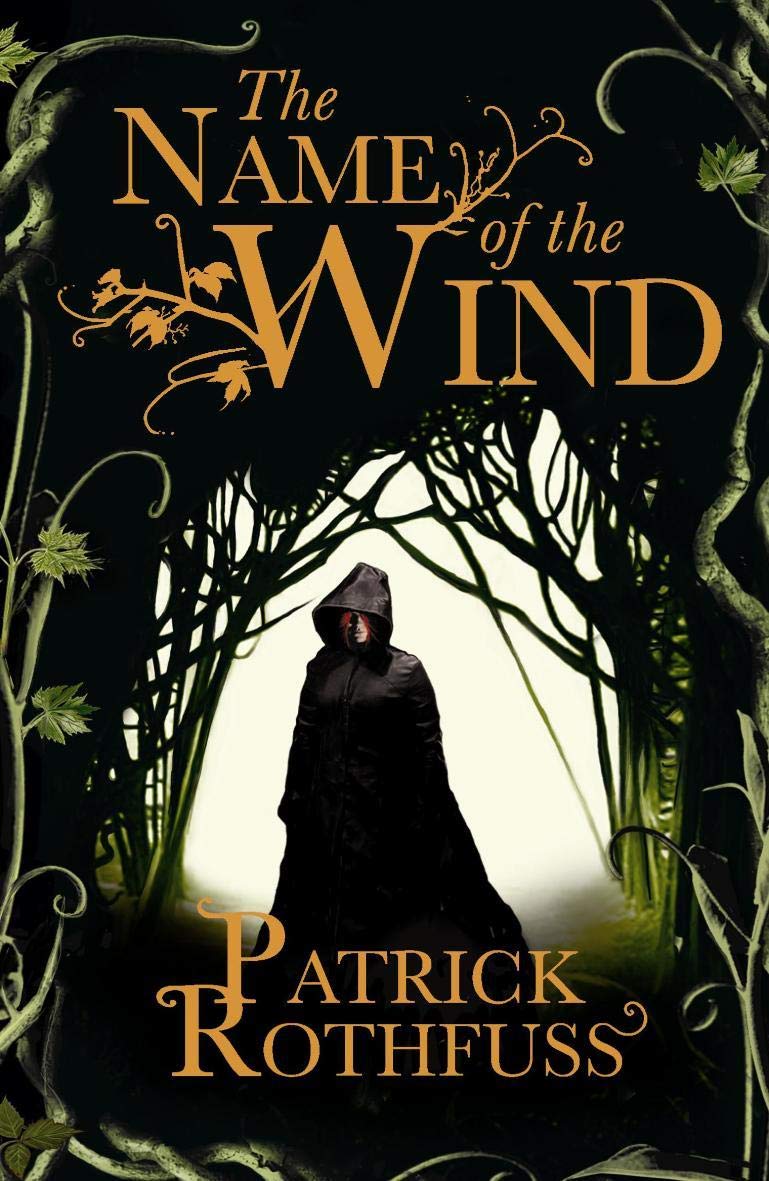
Fantasy literature often promises escape, a portal to realms far beyond our mundane existence. But few authors truly deliver a world so rich, so palpably real, that readers yearn to live within its pages. Today, we pit two modern titans against each other: George R.R. Martin's A Game of Thrones and Patrick Rothfuss's The Name of the Wind. Both are celebrated for their intricate settings, but which one crafts the superior, more inviting, more alive fictional universe? Lit-Pop's verdict might surprise you.
Unlocking Immersive Worlds: Westeros vs. Temerant
Curious about the secrets behind truly captivating fantasy world-building? This deep dive compares two genre-defining sagas:
- The expansive, gritty realism of Westeros in A Game of Thrones.
- The lyrical, magic-infused tapestry of Temerant in The Name of the Wind.
- How atmosphere and sensory details shape reader experience.
- The impact of intricate lore and cohesive magic systems.
- Which world offers the most enduring, revisit-worthy escape.
Contender 1: Westeros – The Grim Reality
George R.R. Martin's A Game of Thrones hurled readers into Westeros with the force of a trebuchet. This isn't your grandfather's high fantasy; it's a world drenched in cynical medieval realism, where winters last for years and the political maneuvering is deadlier than any dragon. Martin's genius lies in making the fantastical feel utterly grounded. Every castle, every lord, every treacherous road feels meticulously researched and brutally authentic. The world-building here isn't just a backdrop; it's an active participant, a character in itself, shaping the fates of every hapless soul who calls it home. From the frozen wastes Beyond the Wall to the sun-baked sands of Dorne, the sheer scale and variety are breathtaking.
Contender 2: Temerant – The Whispering Dream
Then we have Patrick Rothfuss's The Name of the Wind, a masterclass in elegant, character-driven world-building. Temerant feels less like a historical blueprint and more like a beautifully rendered dream, imbued with a magic that whispers rather than roars. Rothfuss builds his world through the eyes of Kvothe, layering details about Arcane universities, traveling troupes, ancient myths, and the subtle art of naming. The magic system, in particular, is a marvel of internal logic and understated power, making the world feel both wondrous and understandable. While perhaps smaller in immediate scope than Westeros, Temerant's depth comes from its rich cultural tapestry and the profound sense of history that pervades every conversation and legend.
The Head-to-Head Breakdown
World-Building Scope & Scale
- A Game of Thrones: 9/10
- The Name of the Wind: 7/10
Martin paints on a vast canvas, introducing countless regions, cultures, and noble houses across an entire continent. The sheer ambition is undeniable. From the Dothraki Sea to the Iron Islands, Westeros feels like a living, breathing geopolitical entity. Rothfuss, by contrast, gives us a more focused view, primarily through Kvothe's journey. While Temerant hints at a larger world, its immediate presentation is less sprawling. Martin wins on sheer breadth and the feeling of truly epic scale.
Atmosphere & Sensory Detail
- A Game of Thrones: 8/10
- The Name of the Wind: 9/10
Here's where the tides turn. While Westeros is gritty, cold, and often smells of blood and fear, Temerant is infused with a lyrical quality that transports you. Rothfuss's prose is a sensory feast. You feel the chill of a winter night at the Waystone Inn, hear the lute music, taste the cheap wine, and smell the dust of the Archives. Martin's world is vivid, yes, but often grim. Rothfuss crafts an atmosphere that makes you want to be there, despite the dangers. It’s the difference between a meticulously rendered historical documentary and a captivating folk song. For more on captivating narratives, check out our piece on Why Reading Challenges Reign in 2026.
Lore & Cohesion
- A Game of Thrones: 8/10
- The Name of the Wind: 9/10
Both authors excel at creating deep histories and mythologies. Martin's Westeros has an ancient past, filled with dragons, forgotten kings, and prophecies. Its political lore is incredibly detailed. However, Rothfuss's Temerant possesses an almost surgical precision in its lore. The magic system,
FAQ
What is unique about the world-building in A Game of Thrones?
A Game of Thrones excels in its realistic, grounded portrayal of a medieval-inspired world, emphasizing political intrigue, harsh climate, and the brutal consequences of power struggles, making the fantastical elements feel secondary to human drama.
How does The Name of the Wind create an immersive world?
The Name of the Wind builds its world through lyrical prose and rich sensory details, focusing on cultural nuances, a believable magic system, and a profound sense of history and myth, often experienced intimately through the protagonist's journey.
Which book is better for readers who prefer complex magic systems?
The Name of the Wind generally appeals more to readers who enjoy complex, internally consistent, and subtly integrated magic systems, as it meticulously details the principles of sympathy and naming, making them integral to the world's fabric.