J.K. Rowling's Debut: Was 'Philosopher's Stone' Really That Magical?
Everyone reveres J.K. Rowling's first Harry Potter novel, but Lit-Pop argues its 'groundbreaking' status is pure fantasy. It's time to re-evaluate the true literary impact of this much-hyped debut.
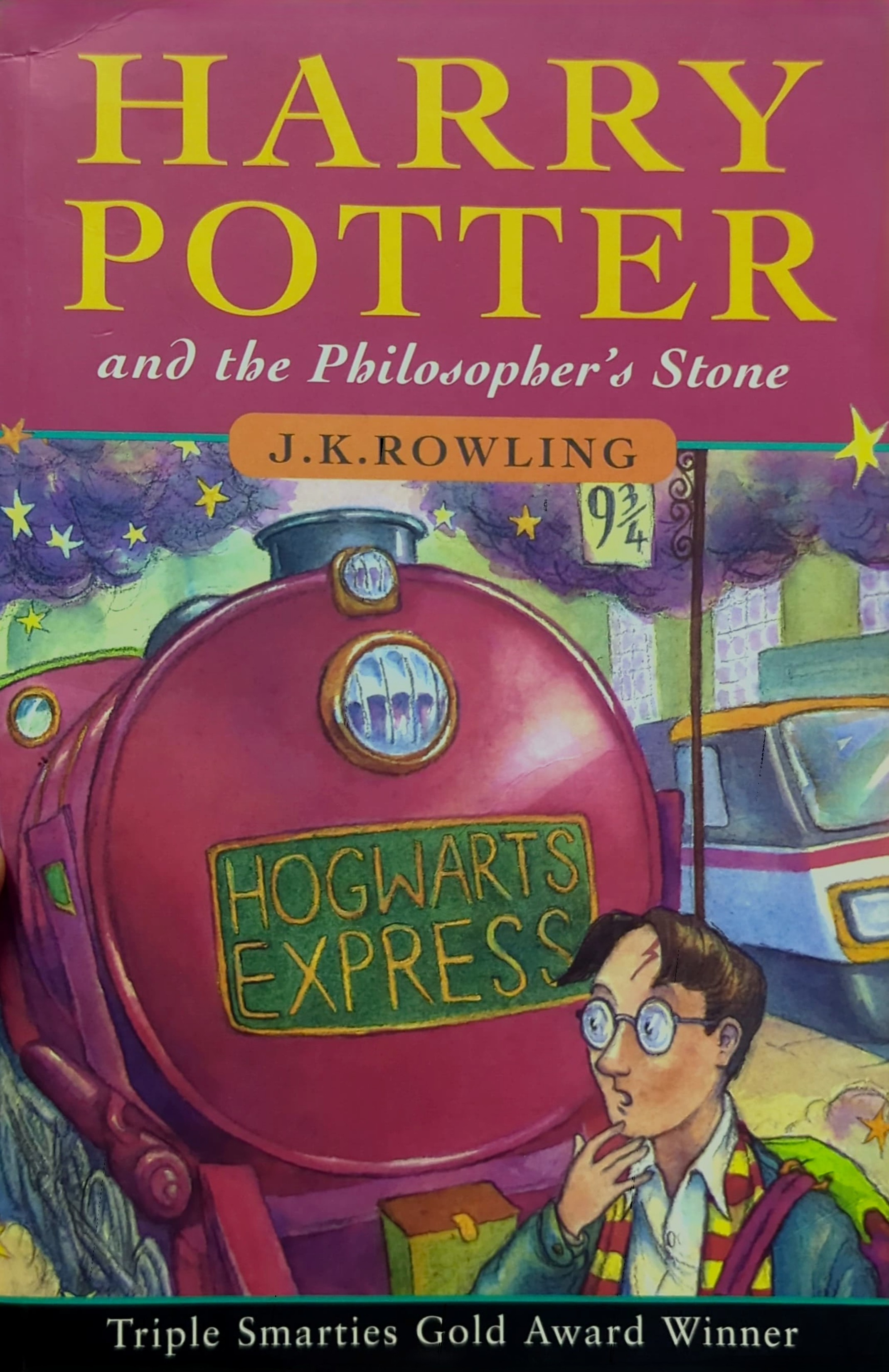
The literary world, seemingly forever locked in a nostalgic embrace, consistently elevates Harry Potter and the Philosopher's Stone to near-mythic status. It's hailed as the quintessential debut, the book that single-handedly revived children's fantasy and launched a cultural phenomenon. For a generation, it's the comfort read, the gateway drug to a lifelong love of books. And yes, it’s charming. It’s undeniably fun. But to call it a groundbreaking literary debut? That’s where Lit-Pop draws a very firm line in the enchanted sand. Let's be real: the hype has obscured the actual merit of Rowling's first foray into the wizarding world, mistaking perfectly competent storytelling for revolutionary genius.
Unpacking the 'Philosopher's Stone' Hype
Are you wondering why Harry Potter and the Philosopher's Stone gets so much praise as a debut? Let's dismantle that myth. This article will cover:
- Why its 'groundbreaking' reputation is overblown.
- The specific elements that reveal its lack of true innovation.
- How brilliant marketing shaped its legacy, not just its prose.
- What a truly impactful debut novel actually looks like.
The Illusion of Innovation

Let's cut to the chase: Harry Potter and the Philosopher's Stone is a masterclass in reassembling familiar tropes, not inventing new ones. A hidden magical world? Check. A chosen orphan with a mysterious past? Check. A wizened mentor and a clear-cut villain? Double-check. Magic schools existed before Hogwarts, from Ursula K. Le Guin's A Wizard of Earthsea to Jill Murphy's The Worst Witch. Rowling's genius lay in her execution, in her ability to make these elements feel fresh and accessible to a new audience, rather than in their conceptual originality. Harry's journey, while engaging, follows a predictable hero's arc, devoid of the complex moral ambiguities or narrative risks that define truly transformative debuts.
Prose That Plays It Safe
For a novel lauded for its literary impact, the prose of Harry Potter and the Philosopher's Stone is, frankly, unremarkable. It's clean, it's functional, and it gets the job done. But does it sing? Does it challenge? Does it push the boundaries of language or narrative structure? Absolutely not. Compare it to the intricate, lyrical world-building of a debut like Tamsyn Muir's Gideon the Ninth, or the sheer linguistic audacity found in the first works of literary giants. Rowling’s strength lies in her world-building ideas (the houses, the sports, the spells), not in her initial literary craftsmanship. It’s an easy read, which is a virtue, but it's not a literary virtue that announces a profound new voice in fiction. The series certainly evolves, growing darker and more complex, as we've discussed in our take on Goblet of Fire's bloat, but that initial spark of prose innovation simply isn't there.
The Power of Marketing and Timing
To give Rowling full credit, the initial success of Harry Potter was undeniably a confluence of her engaging story and a publishing phenomenon. Scholastic's marketing push, coupled with a cultural hunger for escapist fantasy in the late 90s, turned a charming story into a global sensation. It wasn't just the book's inherent 'magic'; it was the perfectly timed, perfectly packaged enchantment that captured the zeitgeist. This isn't to diminish the story's appeal, but it's crucial to distinguish between widespread popularity and genuine literary pioneering. While it's easy to get lost in the enchantment, as our
FAQ
What is considered J.K. Rowling's debut novel?
J.K. Rowling's debut novel is 'Harry Potter and the Philosopher's Stone' (published as 'Harry Potter and the Sorcerer's Stone' in the US), released in 1997.
What makes a debut novel truly 'groundbreaking'?
A truly groundbreaking debut novel often introduces a unique narrative voice, innovative storytelling techniques, deeply original world-building, or tackles themes with a fresh and profound perspective, setting new standards for its genre or for literature as a whole.