Dark Magic? More Like Bloated Plot: Why Goblet of Fire Is Overrated
Despite its hype as the series' grim turning point, J.K. Rowling's fourth Harry Potter installment is where narrative bloat truly begins.
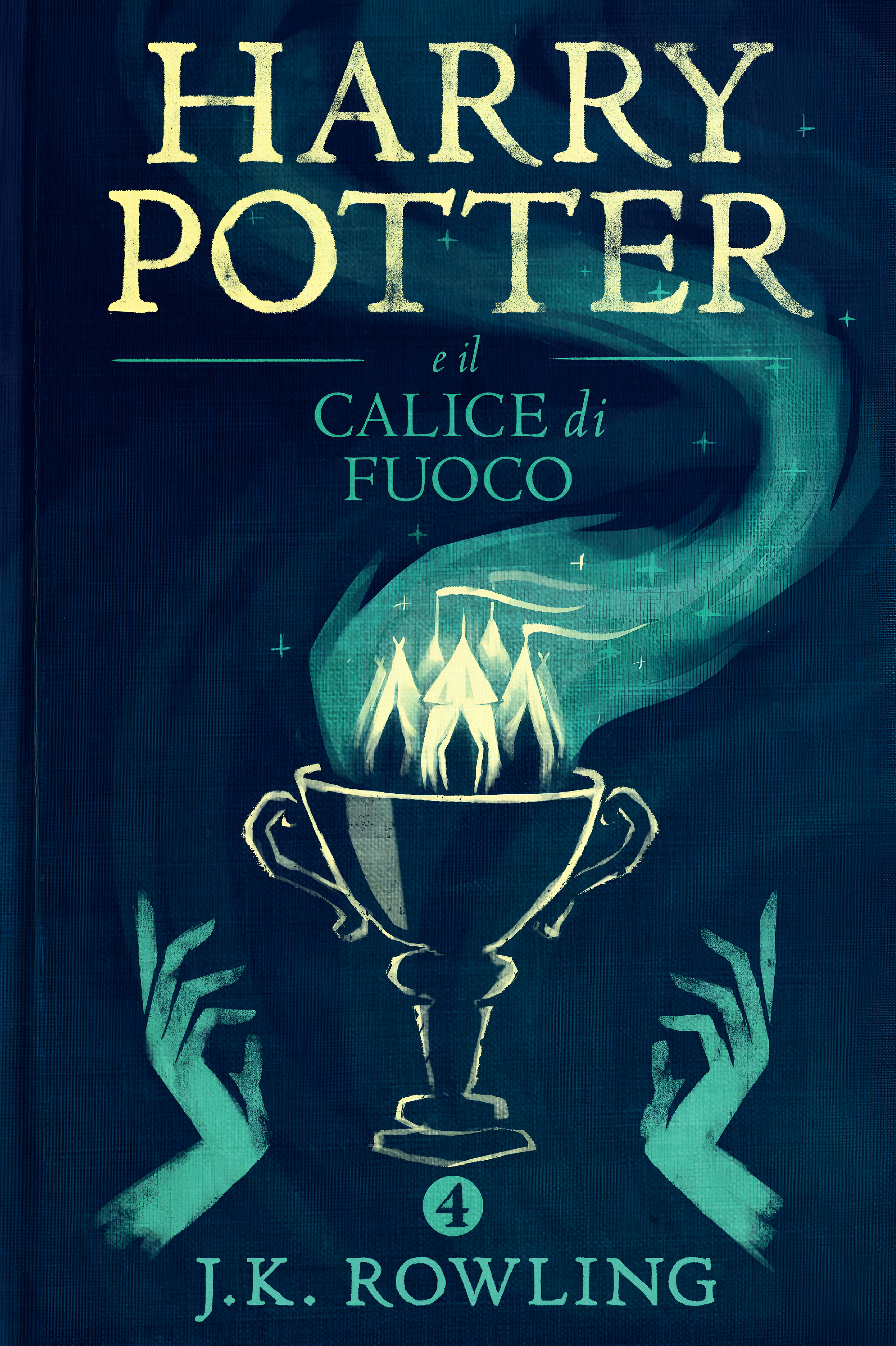
It's April 2026, and the literary landscape is awash with familiar comfort reads. Among the recurring titans, Harry Potter and the Goblet of Fire continues to trend, often lauded as the pivotal moment the Boy Who Lived's saga shed its childish skin for a darker, more mature narrative. Fans point to Voldemort's dramatic return, the high stakes of the Triwizard Tournament, and the sudden, brutal shift in tone as evidence of its genius. They rave about the sheer ambition, the deepening mythology, and the irreversible turn towards a more adult fantasy epic. But let's pull back the curtain on this particular piece of wizarding history, shall we? Because while everyone else is still bowing down to its supposed brilliance, I'm here to tell you that Goblet of Fire is where the series actually starts to falter, introducing narrative bloat and structural clumsiness that foreshadowed later, more egregious missteps.
Why the Goblet of Fire's Hype Doesn't Hold Water
For all the talk of its groundbreaking darkness and crucial plot developments, a closer look reveals a story struggling under its own weight. Here's why Goblet of Fire is, frankly, overrated:
- Plotting that's more convoluted than clever: The elaborate Triwizard Tournament often feels like a thinly veiled excuse for an endgame, rather than a compelling standalone narrative. The challenges are arbitrary, and the ultimate purpose feels shoehorned.
- Character motivations that strain credulity: Harry's emotional swings feel less earned, Dumbledore's enigmatic actions shift from wise to frustratingly manipulative, and secondary characters are often sidelined or used as mere plot devices.
- A loss of the series' early narrative charm: The meticulous world-building and whimsical discovery of earlier books are replaced by a relentless march towards doom, sacrificing much of the magic that made Hogwarts so beloved.
- Pacing issues and unnecessary length: The book's considerable length feels justified by the sheer volume of events, but not always by narrative necessity, leading to saggy passages and a lack of the series' signature tight plotting.
The Tournament: A Plot Device, Not a Narrative Triumph

The Triwizard Tournament, the supposed beating heart of Harry Potter and the Goblet of Fire, is less a triumph of magical competition and more a narrative contrivance designed to usher in Voldemort's resurrection. Consider the tasks: a dragon heist, a perilous lake dive, a deadly maze. Each feels less about showcasing magical prowess and more about creating artificial peril, a ticking clock to force Harry towards his inevitable confrontation. Compare this to the intricate, layered mysteries of Chamber of Secrets or the emotional depth of Prisoner of Azkaban; the tournament's mechanics serve the overarching plot rather than standing on their own as compelling narrative set pieces. It’s an overly complex route to a predetermined destination.
Characters Adrift in a Swirling Plot
While Harry's angsty teenage years are a natural progression, his moodiness in Goblet of Fire often feels less like genuine turmoil and more like a narrative requirement. Rowling needed Harry isolated and vulnerable, and sometimes it feels like his personality bends to that need rather than developing organically. Even the great Dumbledore starts his long descent into the 'wise but frustratingly opaque' mentor archetype, a trait that would plague the later books. His actions, while ultimately justifiable in hindsight, often feel less like profound wisdom and more like plot-serving obfuscation. The burgeoning Ron/Hermione drama, while relatable, frequently overshadows the actual plot, adding page count without always enhancing the central mystery or characters beyond their romantic squabbles.
Sacrificing Charm for Spectacle
The inherent wonder and discovery of Hogwarts, a hallmark of the earlier books, begins to diminish notably in Goblet of Fire. The subtle magic, the quirky lessons, the joy of a hidden world — these elements take a backseat to forced drama and a relentless march towards a grim future. While the series needed to get darker, the transition here feels less like a natural evolution and more like an abrupt shift, sacrificing much of the unique blend of whimsy and grounded reality that made the first few installments so captivating. This isn't to say darkness is inherently bad; it's about the execution. Many readers gravitate towards Why Classic Fantasy Comforts Us in Chaotic Times for that comforting blend, and Goblet of Fire begins to betray that core without fully committing to a truly gritty, sophisticated alternative.
Acknowledging Its Strengths (Briefly)
To be fair, Goblet of Fire is undeniably impactful. Voldemort's full return is a seismic event, irrevocably raising the stakes and setting the stage for the epic conclusion. The introduction of new magical schools expands the wizarding world, and the sheer scale of the Triwizard Tournament does offer a sense of grand adventure. These are crucial, undeniable turning points for the overall narrative trajectory.
My Verdict: Complexity Doesn't Excuse Clumsiness
The book aims for grander themes and higher stakes, and it partially succeeds in transforming the series. But it does so with a noticeable drop in narrative economy, pacing, and character consistency. This foundational bloat, this tendency to overwrite and over-complicate for the sake of spectacle, sets the stage for later, even more sprawling installments that would truly test readers' patience. If you're seeking genuinely complex fantasy with meticulous world-building and a tight narrative focus that earns its emotional weight, look beyond the boy wizard's increasingly messy middle.
Read This Instead
For a masterclass in world-building and character depth without the narrative flab, pick up Ursula K. Le Guin's A Wizard of Earthsea. It's a tighter, more profound exploration of power, responsibility, and self-discovery. No unnecessary Triwizard tournaments, just pure, potent magic, delivered with an elegance and concision that Goblet of Fire could only dream of achieving. Give it a like if you agree, or better yet, read it and find out for yourself!
FAQ
Is Harry Potter and the Goblet of Fire considered a strong entry in the series?
While many fans praise *Harry Potter and the Goblet of Fire* for its darker tone and pivotal plot points, some critics argue it introduces narrative bloat and structural issues that detract from its overall quality compared to earlier, tighter installments.
What major plot points does Goblet of Fire introduce?
*Goblet of Fire* famously introduces the Triwizard Tournament, expands the wizarding world with new schools, and culminates in the dramatic return of Lord Voldemort, marking a significant shift in the series' tone and stakes.
Why do some critics view Goblet of Fire as a turning point?
Critics often see *Goblet of Fire* as a turning point because it transitions the series from a charming children's fantasy to a darker, more complex young adult epic. However, some argue this shift comes at the cost of the tighter plotting and character consistency found in the initial books.