J.K. Rowling's Early Magic: A Lit-Pop Scorecard
Beyond the hype, we brutally rank the first four Harry Potter books, dissecting what truly makes J.K. Rowling's wizarding world tick (or falter).
J.K. Rowling. The name alone conjures images of wands, spellbooks, and a global phenomenon that redefined fantasy literature for an entire generation. Decades on, her early entries into the Harry Potter saga still trend with an astonishing fervor, proof that the Boy Who Lived remains a cultural lodestar. But popularity doesn't always equate to perfection, and as always, Lit-Pop is here to slice through the nostalgia. We're putting Rowling's foundational four under the microscope, brutally scoring them to see which truly holds up as a masterpiece of craft and which, perhaps, benefited from beginner's luck.
Demystifying J.K. Rowling's Early Magic: What Makes Her Tick?
- World-Building Evolution: How the Wizarding World expands and deepens across the early novels.
- Character Arc Strengths & Weaknesses: Analyzing the development of Harry, Ron, Hermione, and the supporting cast.
- Narrative Pacing & Plot Twists: Critically assessing Rowling's storytelling mechanics and mystery crafting.
- Enduring Thematic Resonance: Unpacking the underlying messages that elevate (or hinder) each book.
Our Lit-Pop Scoring Methodology
To ensure a fair (and utterly unforgiving) assessment, we've devised a multi-point rubric, with each category scored out of 10. The highest possible total for any book is 40. No participation trophies here.
- World-Building & Atmosphere (WBA): /10 – The richness, consistency, and immersive quality of the magical world. Does it feel alive?
- Character Development (CD): /10 – The depth, consistency, and growth (or stagnation) of the core cast and supporting players. Are they more than archetypes?
- Plot Ingenuity & Pacing (PIP): /10 – How clever, surprising, and well-structured the central mystery or conflict is, and how effectively the story moves.
- Thematic Depth (TD): /10 – The underlying ideas, moral complexities, and emotional resonance explored. Does it offer something beyond pure escapism?
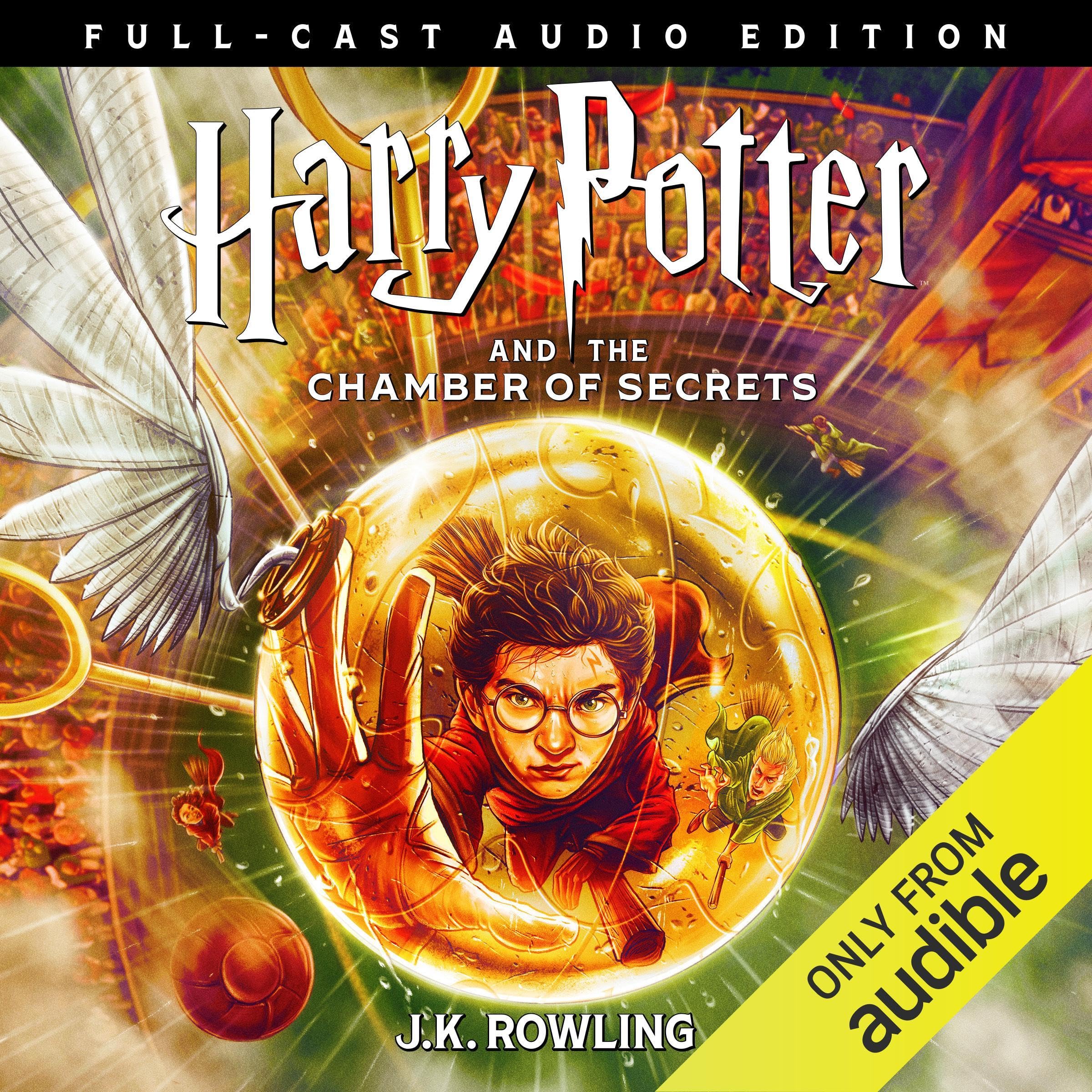
4. Harry Potter and the Chamber of Secrets

Let's not mince words: this one is often a slog. While it introduces some crucial lore (Tom Riddle, the basilisk), the mystery feels less organic and more like a series of convenient revelations. Harry's early heroism feels a bit too accidental, and the plot device of everyone being petrified feels like a narrative sidestep to avoid actual danger. It's a necessary bridge, but a creaky one. As we've argued before, it's the weakest link in early Harry Potter.
- WBA: 6/10 (More of the same, some new creatures but little new feel)
- CD: 5/10 (Mostly static, Ron's wand issues are comedic but not deep)
- PIP: 6/10 (Rushed exposition, convenient clues, and a predictable culprit)
- TD: 6/10 (Themes of prejudice are present but not fully explored)
- Total: 23/40
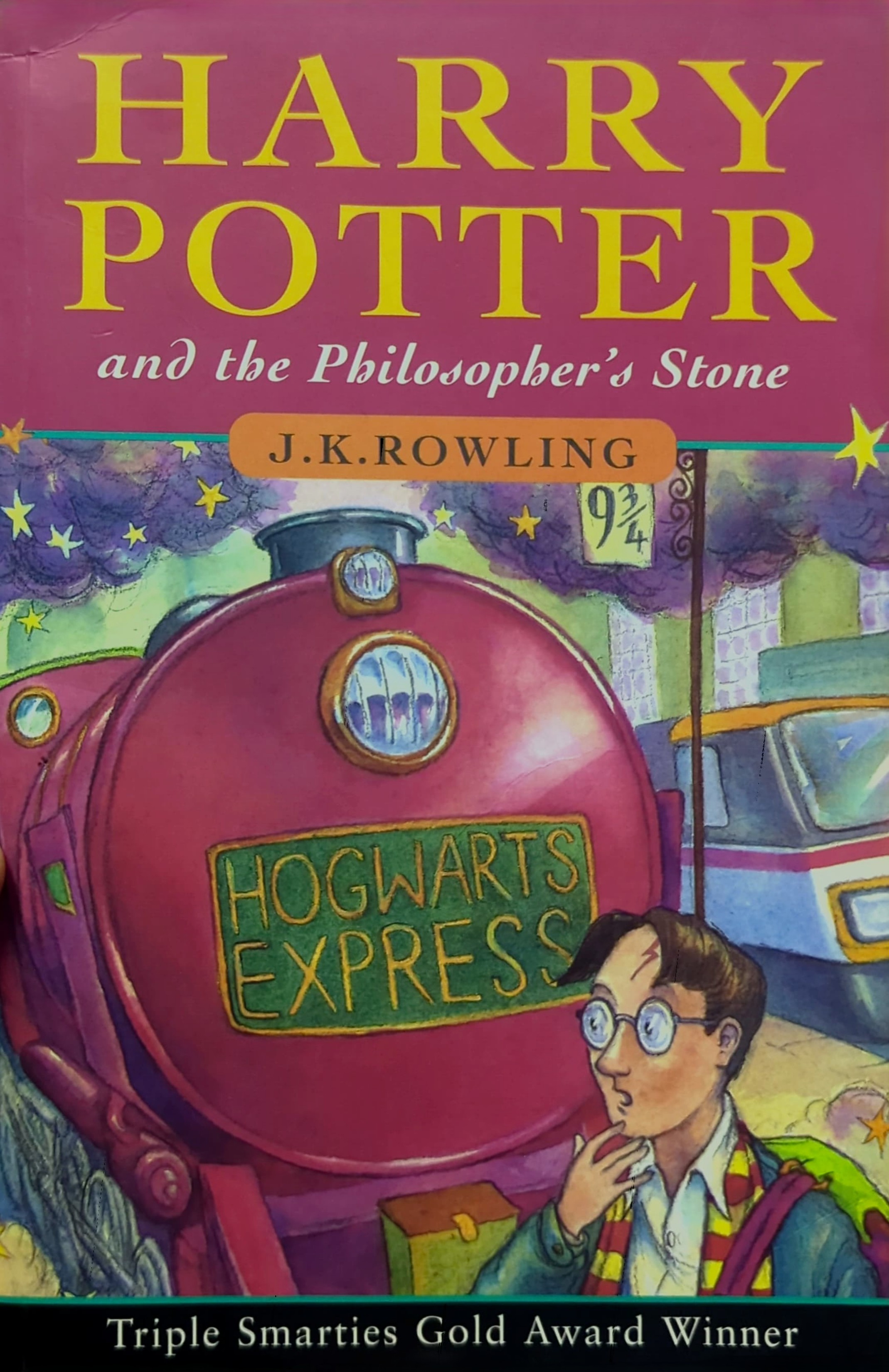
3. Harry Potter and the Philosopher's Stone

The genesis. The one that started it all. You can't deny the sheer charm here, the effortless way Rowling spun gold from mundane beginnings. The introduction to Hogwarts is pure, unadulterated magic, drawing readers into a world so meticulously crafted it feels utterly real. The mystery of the Stone itself, however, is a little simplistic, and the villain reveal, while iconic, suffers from a touch of Scooby-Doo villainy. It's a fantastic foundation, but subsequent books show just how much more sophisticated Rowling's writing would become. A classic, yes, but not her absolute best work in this early run.
- WBA: 9/10 (Pure, unadulterated magical immersion. A masterclass.)
- CD: 7/10 (Solid archetypes, clear motivations, but early stage growth)
- PIP: 7/10 (Engaging, but the mystery is somewhat transparent)
- TD: 7/10 (Friendship, courage, good vs. evil – foundational but not complex)
- Total: 30/40
2. Harry Potter and the Goblet of Fire

This is where Rowling shed the skin of mere children's fantasy and embraced the darker, more intricate tapestry of young adult literature. Goblet of Fire is a sprawling epic, introducing global magical politics, a gripping tournament, and the devastating return of Voldemort. The pacing is a marvel, juggling multiple plotlines without losing steam, and the emotional stakes are ratcheted up considerably. However, its length can sometimes feel indulgent, and certain plot points (like the constant media vilification of Harry) occasionally border on repetitive. It's a monumental achievement, but not without its minor bloat.
- WBA: 9/10 (Expansive, mature, introduces broader magical society)
- CD: 8/10 (Harry's teenage angst, Hermione's activism, Ron's jealousy – complex)
- PIP: 9/10 (Multi-layered, suspenseful, with a genuinely shocking climax)
- TD: 8/10 (Prejudice, corruption, death, the loss of innocence – profound)
- Total: 34/40
1. Harry Potter and the Prisoner of Azkaban

Behold, the undeniable peak of early Rowling. Prisoner of Azkaban is a masterclass in mystery, character-driven storytelling, and world-building expansion. The introduction of the Dementors instantly elevates the atmospheric dread, while Lupin and Sirius Black bring layers of morally ambiguous complexity to the adult cast. The time-turner plot device, often a narrative trap, is handled with such elegant precision that it feels earned, not cheap. This book isn't just about good versus evil; it's about justice, redemption, and the weight of history. It's a flawless narrative pivot, proving that Rowling could evolve her craft exponentially. This is where the series truly became literature.
- WBA: 9/10 (Dementors, Azkaban, Hogsmeade – rich and darker)
- CD: 9/10 (Sirius, Lupin, Harry's emotional depth, Hermione's resilience – outstanding)
- PIP: 10/10 (Ingenious, unpredictable, satisfyingly complex, perfect pacing)
- TD: 9/10 (Justice, prejudice, trauma, the nature of good and evil – deeply resonant)
- Total: 37/40
The Final Early Harry Potter Ranking
| Rank | Book Title | World-Building & Atmosphere | Character Development | Plot Ingenuity & Pacing | Thematic Depth | Total Score |
|---|---|---|---|---|---|---|
| 1 | Harry Potter and the Prisoner of Azkaban | 9 | 9 | 10 | 9 | 37/40 |
| 2 | Harry Potter and the Goblet of Fire | 9 | 8 | 9 | 8 | 34/40 |
| 3 | Harry Potter and the Philosopher's Stone | 9 | 7 | 7 | 7 | 30/40 |
| 4 | Harry Potter and the Chamber of Secrets | 6 | 5 | 6 | 6 | 23/40 |
Like this breakdown? Let us know which fantasy worlds you want to see ranked next!
FAQ
What is J.K. Rowling's most critically acclaimed Harry Potter book?
Among the early books, many critics and fans consider 'Harry Potter and the Prisoner of Azkaban' to be her most tightly plotted and thematically rich work, showcasing a significant leap in her storytelling prowess.
What themes are prevalent in J.K. Rowling's early Harry Potter books?
Early Harry Potter books explore themes of friendship, courage, good versus evil, prejudice, loss, and the importance of choice, evolving in complexity as the series progresses.
How did J.K. Rowling's writing style evolve in the first four Harry Potter books?
Rowling's writing style matured from charming and adventurous children's fiction in the first two books to more complex, darker, and thematically profound young adult literature with intricate plotting and character development in 'Prisoner of Azkaban' and 'Goblet of Fire'.