Lit-Pop's Connection Index: Ranking 2026's Top Novels
We pit five of this year's most-hyped books against our brutal scoring system to find which stories of love, family, and friendship truly resonate.
The book snapped shut with a soft thud, but the silence it left in the 2 AM quiet was deafening. It was one of those novels—the kind that builds a world of relationships so textured and real that returning to your own life feels like surfacing from a deep dive. The characters, with their flawed affections and unspoken griefs, lingered like ghosts in the room. This is the alchemy we chase as readers: not just a story, but a simulation of connection so potent it re-calibrates our own understanding of the human heart.
But let’s be honest, not every book achieves this. For every novel that dissects relationships with a surgeon’s precision, there are a dozen that just play with paper dolls. The market is saturated with stories promising profound connection, but many deliver flimsy plots held together by tropes and convenience. So, we decided to cut through the noise. We’ve developed the Lit-Pop Connection Index, a bespoke scoring system to rigorously measure which of today’s trending books genuinely master the art of human dynamics and which are just faking it.
Ranking 2026's Most Talked-About Books on Love, Family, and Friendship
This scorecard breaks down the novels that promise deep explorations of the human condition. We're analyzing:
- Mothers and Sons by Adam Haslett
- The Loneliness of Sonia and Sunny by Kiran Desai
- Funny Story by Emily Henry
- Marion Lane and the Midnight Murder by T.A. Willberg
- Drive Me Crazy by Carly Robyn
The Lit-Pop Connection Index: Our Scoring System
We don't deal in vague praise. Our rankings are based on a 40-point scale across four critical categories. A book can have a thrilling plot or beautiful prose, but if it fails on these metrics, it fails to connect.
Character Depth (/10)
Are the characters three-dimensional individuals with messy, contradictory desires, or are they flat archetypes serving the plot? We look for earned emotional arcs, believable motivations, and the kind of complex interiority that makes a fictional person feel real enough to miss.
Relational Dynamics (/10)
This is the core of the Index. How skillfully does the author portray the push and pull between characters? Is the dialogue sharp and revealing? Is the subtext richer than the text itself? We reward nuanced depictions of love, rivalry, friendship, and estrangement that evolve believably over the course of the narrative.
Thematic Resonance (/10)
Does the book offer a fresh, challenging, or profound insight into the human condition? Does it move beyond familiar platitudes about love or family and say something that genuinely sticks with you? A high score here means the book's ideas haunt you long after the final page.
Narrative Craft (/10)
Pacing, prose, and structure. A story about connection can be crippled by clunky writing or a poorly paced plot. This category scores how well the author's technical skill serves the emotional core of the story. Gorgeous prose that elevates emotion scores high; lazy writing that relies on clichés gets penalized.
The Contenders: From Lowest to Highest Score
#5: Drive Me Crazy by Carly Robyn

- Character Depth: 3/10
- Relational Dynamics: 4/10
- Thematic Resonance: 2/10
- Narrative Craft: 4/10
- Total: 13/40
Let's be clear: there's a place for breezy, low-stakes romance. But Drive Me Crazy feels less like a novel and more like a checklist of the genre's most tired tropes. Our protagonists, a workaholic city girl and a charmingly rustic small-town guy, are sketches, not people. Their defining traits are their jobs and a single, endlessly repeated personality quirk. There's no sense of a life lived before page one, no messy interiority that complicates their paint-by-numbers journey to love. The central relationship suffers immensely from this lack of depth. Their connection isn't built on shared vulnerability or challenging conversations; it's built on a series of contrived scenarios and banter that feels focus-grouped for maximum palatability. It’s the literary equivalent of a sitcom, where every problem is introduced and resolved within a neat, predictable arc. The narrative craft is serviceable but utterly uninspired, leaning on clichés rather than earning its emotional beats. Thematically, it has nothing to say about love that hasn't been said a thousand times before, and better. It's a forgettable, calorie-free confection.
#4: Marion Lane and the Midnight Murder by T.A. Willberg

- Character Depth: 5/10
- Relational Dynamics: 6/10
- Thematic Resonance: 5/10
- Narrative Craft: 7/10
- Total: 23/40
T.A. Willberg’s debut is a charming puzzle box of a book, set in a deliciously atmospheric, quasi-magical version of 1950s London. The concept of Miss Brickett’s secretive detective agency, hidden beneath the city streets, is a winner, and the narrative craft in plotting the central mystery is commendable. Where it scores points on our index is in the found-family dynamic among the young apprentices. The shared sense of purpose, the clandestine training, and the loyalty forged under pressure create a believable and engaging relational web. However, the novel's relentless focus on the whodunit plot comes at the expense of our protagonist, Marion. She is more of a lens through which we view the mystery than a fully realized character in her own right. Her motivations are clear, but her inner life feels secondary to the mechanics of the investigation. The relational dynamics outside the core group are thin, and a budding romance feels more like a plot requirement than an organic development. While the book has something to say about loyalty and justice, its thematic resonance is limited by its genre constraints. It’s a well-constructed and entertaining read, but its human connections are ultimately in service to the plot, not the other way around.
#3: Funny Story by Emily Henry

- Character Depth: 7/10
- Relational Dynamics: 9/10
- Thematic Resonance: 7/10
- Narrative Craft: 8/10
- Total: 31/40
No one writes modern romance with the sheer life force of Emily Henry. Funny Story is another masterclass in the razor-sharp banter and simmering chemistry that have become her trademark. The premise—two people jilted by their respective partners, who have run off together, become reluctant roommates—is the perfect setup for her brand of chaos. Where Henry excels, and why this book ranks highly, is in Relational Dynamics. The slow burn between Daphne and Miles is exquisite, built not on grand gestures but on shared domestic moments, late-night conversations, and the gradual erosion of their preconceived notions about each other. The dialogue is so witty it practically sparkles. The supporting cast, particularly Daphne's burgeoning friendship with Ashleigh, provides a rich, warm tapestry of platonic connection that feels just as vital as the central romance. The narrative craft is seamless; Henry's prose is accessible yet precise. If there's a criticism, it's that her characters can sometimes feel almost too self-aware, their banter a little too perfectly polished for real life. The thematic exploration of starting over is poignant, but it stops just short of the gut-punching depth that would elevate it to the top of this list. It's a brilliant, heartwarming novel that absolutely nails the feeling of finding your person and your place.
#2: The Loneliness of Sonia and Sunny by Kiran Desai

- Character Depth: 9/10
- Relational Dynamics: 8/10
- Thematic Resonance: 10/10
- Narrative Craft: 9/10
- Total: 36/40
Reading a new Kiran Desai novel is an event, and The Loneliness of Sonia and Sunny is a stark reminder of what literary fiction can do that no other genre can. This is not a book about connection, but about its haunting absence. Desai explores the profound isolation that can exist within the most intimate of relationships—marriage, family, and lifelong friendships. The characters of Sonia and Sunny are rendered with excruciating, empathetic detail. They are not always likable, but their loneliness is so palpable, so deeply understood, that it's impossible to look away. Desai's prose is magnificent, a dense, lyrical instrument that captures the quiet tragedies and unspoken resentments of everyday life. The book’s power lies in its thematic resonance; it articulates a specific, modern form of alienation with devastating accuracy. The relational dynamics are not about heartwarming growth but about the painful, realistic ways people fail to see one another. It loses a point or two in that category only because the experience is more analytical than immersive; you are observing these fractured connections with awe, not necessarily feeling them yourself. It's a challenging, melancholic, and deeply intelligent novel that sacrifices easy comfort for profound truth. A formidable piece of work.
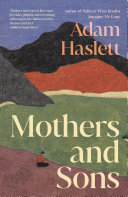
#1: Mothers and Sons by Adam Haslett

- Character Depth: 10/10
- Relational Dynamics: 10/10
- Thematic Resonance: 9/10
- Narrative Craft: 10/10
- Total: 39/40
Adam Haslett writes about family not as a haven, but as a crucible. Mothers and Sons is a quiet masterpiece of psychological realism, an unflinching look at the fractures caused by secrets, mental illness, and the cavernous gaps between what we feel and what we are able to say. The novel dissects the relationship between a formidable, emotionally guarded mother and her estranged, troubled son with a level of insight that is both breathtaking and painful. Haslett’s characters are masterpieces of depth; their histories, their fears, their very thought patterns are laid bare on the page. The narrative craft is flawless, shifting perspectives to create a prismatic view of the family's shared trauma, where each truth is subjective and sympathy shifts from one character to the next. The relational dynamics are the star of the show—the stilted phone calls, the passive-aggressive letters, the memories warped by years of resentment. Haslett captures the precise weight of unspoken history between two people who should be closer than anyone. It's a novel that understands that the most profound connections are often the most damaged. It’s a demanding, emotionally brutal read, but as an exploration of the intricate, often agonizing dance of family, it is simply unparalleled. It's the kind of book that justifies why we read novels in the first place.
Final Rankings: The Lit-Pop Connection Index
| Rank | Title | Character Depth (/10) | Relational Dynamics (/10) | Thematic Resonance (/10) | Narrative Craft (/10) | Total (/40) |
|---|---|---|---|---|---|---|
| 1 | Mothers and Sons | 10 | 10 | 9 | 10 | 39 |
| 2 | The Loneliness of Sonia and Sunny | 9 | 8 | 10 | 9 | 36 |
| 3 | Funny Story | 7 | 9 | 7 | 8 | 31 |
| 4 | Marion Lane and the Midnight Murder | 5 | 6 | 5 | 7 | 23 |
| 5 | Drive Me Crazy | 3 | 4 | 2 | 4 | 13 |
Editor's Verdict
Adam Haslett’s Mothers and Sons is a testament to the terrifying, beautiful power of the literary novel. It forgoes easy sentiment in favor of a truth so sharp it draws blood. While other books explore family dynamics, few have the courage to sit with the sheer, unresolvable pain that often defines them. Haslett has cemented his place as one of the great psychologists of contemporary American fiction. The final chapter of this novel contains the most devastatingly honest portrayal of parental regret in American fiction this decade. It’s a book that doesn't just ask to be read, but to be absorbed, reckoned with, and survived.
FAQ
Is 'Mothers and Sons' a good book club pick?
It is an outstanding choice for a serious book club that thrives on deep, challenging discussions about family trauma, mental health, and complex characters. However, it is an emotionally demanding and somber novel, not a light or easy read.
How does Emily Henry's 'Funny Story' compare to her other novels?
Funny Story showcases Emily Henry's signature strengths: witty, rapid-fire dialogue and palpable character chemistry. It distinguishes itself with a mature focus on rebuilding a life after heartbreak, making the 'found family' and community themes feel particularly earned and resonant.
Which of these books is the best 'beach read'?
Of the books on this list, Emily Henry's 'Funny Story' is the ideal choice for a 'beach read' or vacation book. It's smart, funny, and emotionally satisfying without being as heavy as the literary fiction ranked higher on our list.