Azkaban's Shadow: The Harry Potter Game Changer
Forget childish wonder; J.K. Rowling’s third installment plunged the wizarding world into a complex, darker era that remains pivotal.
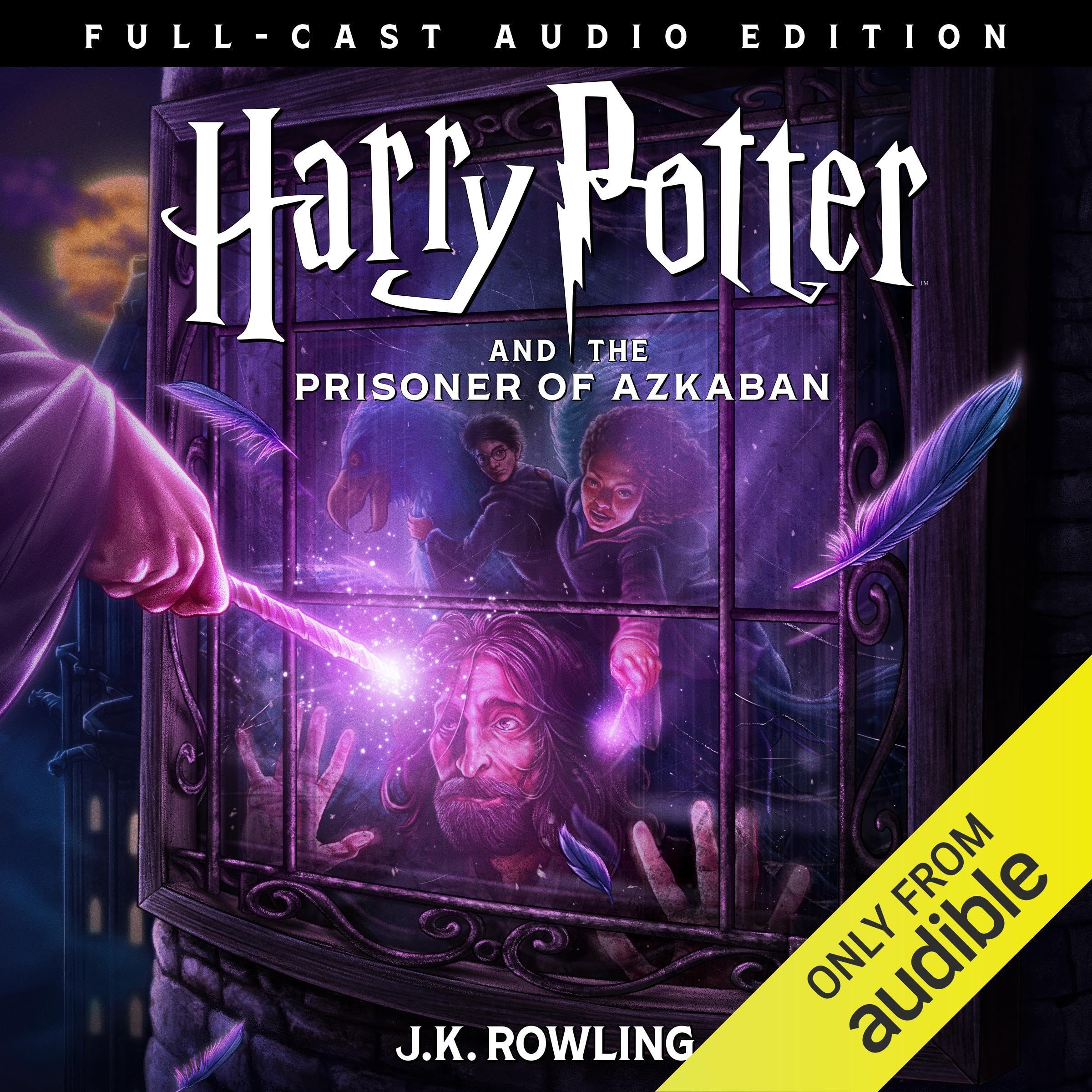
Amidst the cacophony of endless 'best of' lists and re-reads of the Philosopher's Stone, a crucial truth often gets lost: the true magic of the Harry Potter saga begins not with a magical mirror or a giant spider, but with the haunting, emotionally charged narrative of Azkaban. This isn't just another installment; it's the crucible where a children's fantasy matured into a literary phenomenon, shedding its innocence for a world far more nuanced and terrifying. To claim any Harry Potter conversation without acknowledging Azkaban's profound shift is to miss the entire point of the series' enduring power.
Why Prisoner of Azkaban Still Casts a Spell
Azkaban isn't just a fan favorite; it's a structural and thematic marvel that forever altered the trajectory of the Wizarding World. Here's why it demands a deeper look:
- The Series' Darkest Turn: How it introduced psychological horror and moral complexity.
- Complex Character Introductions: The nuanced brilliance of Sirius Black and Remus Lupin.
- Themes of Justice and Identity: Harry's personal growth amidst betrayal and prejudice.
- Narrative Innovation: Expanding world-building and masterful foreshadowing.
The Darkening Horizon: From Whimsy to Weight
Before Harry Potter and the Prisoner of Azkaban, the Wizarding World, for all its wonder, felt largely contained within the whimsical, if perilous, walls of Hogwarts. Then came Azkaban, and with it, a tangible sense of dread that lingered long after the final page. The introduction of the Dementors wasn't just a creature design triumph; it was a psychological masterstroke. Rowling's description of them as beings that 'suck hope and happiness from the air' and force their victims to relive their worst memories tapped into a primal fear far more sophisticated than Quirrell's turban or the Basilisk's stare. This was trauma personified, a literal manifestation of depression, a daring move for what was still largely considered children's literature.

This tonal shift wasn't accidental; it was a deliberate, courageous choice by Rowling to reflect the increasing stakes of Harry's journey. The stakes were no longer just about defeating a clear-cut villain; they were about confronting injustice, understanding the shades of grey in human (and wizard) nature, and grappling with the weight of a horrific past. It opened the door for the later, truly gut-wrenching moments of the series, showing readers that even in a world of magic, pain, loss, and difficult choices are inevitable. This pivotal move cemented the series' ability to age with its audience, transcending the simple 'good versus evil' tropes that defined its predecessors and many other fantasy books of its time, a depth sometimes missed in discussions about Why Classic Fantasy Comforts Us in Chaotic Times.
Character Complexity: Beyond Black and White
Azkaban's greatest triumph might be its unapologetic embrace of morally ambiguous characters, paving the way for the series' most beloved and conflicted figures. Enter Sirius Black, initially presented as a psychotic mass murderer, only to be revealed as Harry's unjustly accused godfather. This narrative sleight of hand was brilliant, forcing readers to question assumptions and empathize with a character once feared. Sirius isn't just a plot device; he's a living embodiment of the costs of war, betrayal, and a flawed justice system. His raw grief, fierce loyalty, and reckless charm immediately endeared him, laying a foundation for Harry's burgeoning understanding of his family's past and his own identity.
Then there's Remus Lupin, the kind, insightful Defence Against the Dark Arts professor whose hidden lycanthropy serves as a powerful metaphor for prejudice and the societal marginalization of those deemed 'different.' Lupin isn't perfect; his inability to fully trust or advocate for himself stems from deep-seated trauma and fear, making him one of the most relatable and tragic figures in the entire series. These characters, along with the revelation of Peter Pettigrew's cowardice, shattered the simplistic hero-villain dynamic, proving that allies can be flawed, and perceived enemies can be victims. It challenged young readers to think critically about appearance versus reality, a level of sophistication rarely seen in the genre at the time.
World-Building Expansion and Narrative Foreshadowing
Beyond character and tone, Azkaban significantly deepened the Wizarding World's lore and demonstrated Rowling's masterful plotting. The introduction of Hogsmeade, the only all-wizard village, expanded the geographical and social landscape beyond Hogwarts' familiar halls, hinting at a wider, more vibrant, and perhaps more dangerous world. This subtle expansion made the magical realm feel lived-in and real, not just a backdrop for school adventures.
However, the real genius lies in the narrative structure and its intricate use of magical elements. The Time-Turner, initially a seemingly convenient plot device, is handled with such elegant precision that it avoids the usual paradoxes, instead becoming a symbol of second chances and the power of choice. More importantly, Azkaban is a treasure trove of foreshadowing. The intricate backstory of the Marauders, the hints of Pettigrew's survival, and the profound connections to Harry's parents' past aren't merely exposition; they are meticulously placed breadcrumbs that would pay off in monumental ways throughout the rest of the series. This wasn't just a story; it was a complex tapestry being woven, layer by intricate layer, establishing Rowling's reputation as a plotter of the highest caliber. It’s this kind of intricate world-building that elevates it above many of its contemporaries, rivaling even the foundational craftsmanship of works like Dune in its ability to build a compelling and enduring universe.
Editor's Verdict
Azkaban isn't just another installment; it's the brutal, beautiful inflection point that truly elevated Harry Potter into a lasting cultural phenomenon. It dared to explore darkness, introduced nuanced characters, and masterfully expanded its world, proving that even beloved children's series must evolve to achieve true greatness. If you think you know Harry Potter, re-read Azkaban with fresh eyes – you'll find the real magic there.
Editor's Rating: 9/10
FAQ
What makes Prisoner of Azkaban so important in the Harry Potter series?
It's widely considered the turning point where the series shed its strictly children's book label, introducing darker themes, complex characters, and moral ambiguities that laid the groundwork for the more mature installments to follow.
Does Harry Potter and the Prisoner of Azkaban have a main villain?
Uniquely for the series, it largely lacks a traditional singular 'Dark Lord' villain. Instead, the narrative initially frames Sirius Black as the antagonist, only to reveal a more complex truth involving Peter Pettigrew and the overarching specter of injustice and betrayal.
How did Prisoner of Azkaban change the tone of the Harry Potter series?
It introduced significantly darker themes, psychological horror through the Dementors, and moral complexities, shifting the series from a purely adventurous children's fantasy to a more mature, emotionally resonant narrative that explored trauma and difficult choices.