Lit-Pop's Adaptation Scorecard: Hits, Misses, & Future Hopes
From faithful sagas to Hollywood’s latest gambles, we brutally rank the book-to-screen adaptations that matter right now, and what’s still to come.
The transition from page to screen is a minefield, a treacherous journey where beloved narratives often meet messy, unrecognizable fates. For every Lord of the Rings, there are a dozen Eragons. But with a new wave of adaptations hitting our screens and announced for the future, it's time to cut through the noise. Lit-Pop isn't here for vague praise; we're here to dissect what works, what utterly fails, and whether your cherished literary worlds are safe in Hollywood's hands. Get ready for a brutal scorecard on the state of book-to-screen translations.
Trending Book Adaptations: What to Watch (and What to Skip)
Thinking about diving into the latest book-to-screen buzz? Here’s what this scorecard tackles:
- Denis Villeneuve's Dune: A deep dive into its faithfulness and visual grandeur.
- The Hobbit Trilogy's Sins: How Peter Jackson stretched a classic to its breaking point.
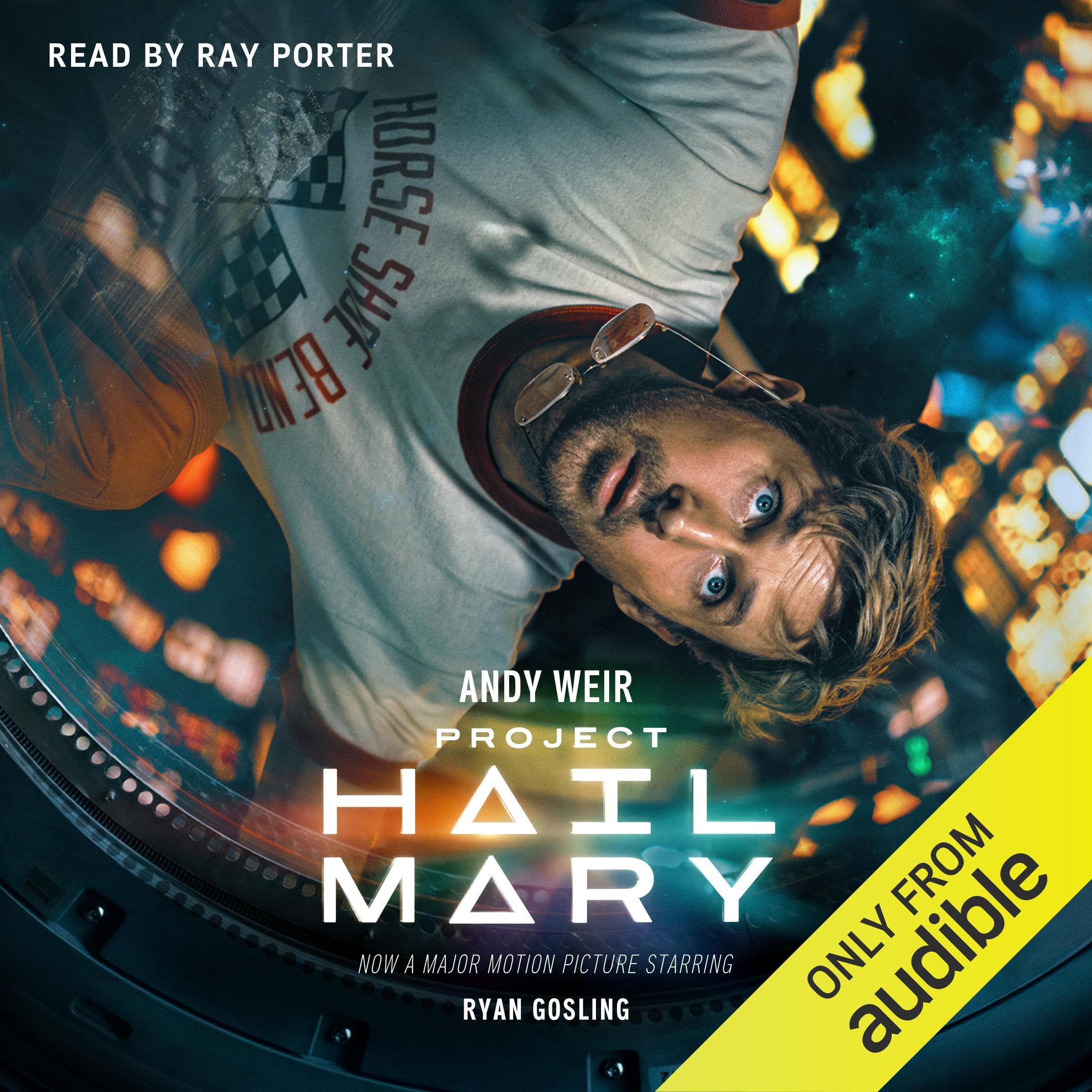
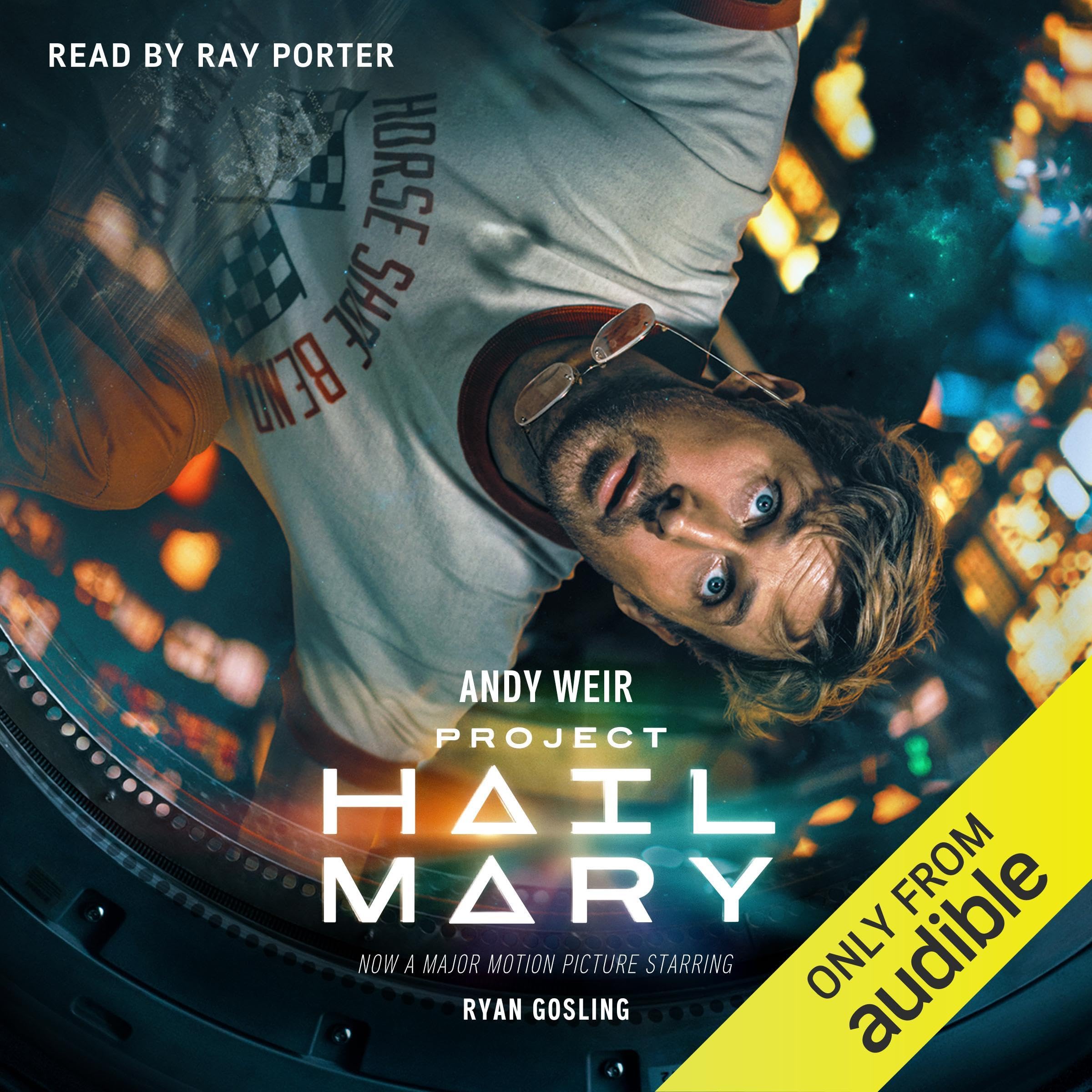
- Project Hail Mary's Cinematic Promise: Why Andy Weir's sci-fi hit is ripe for adaptation.
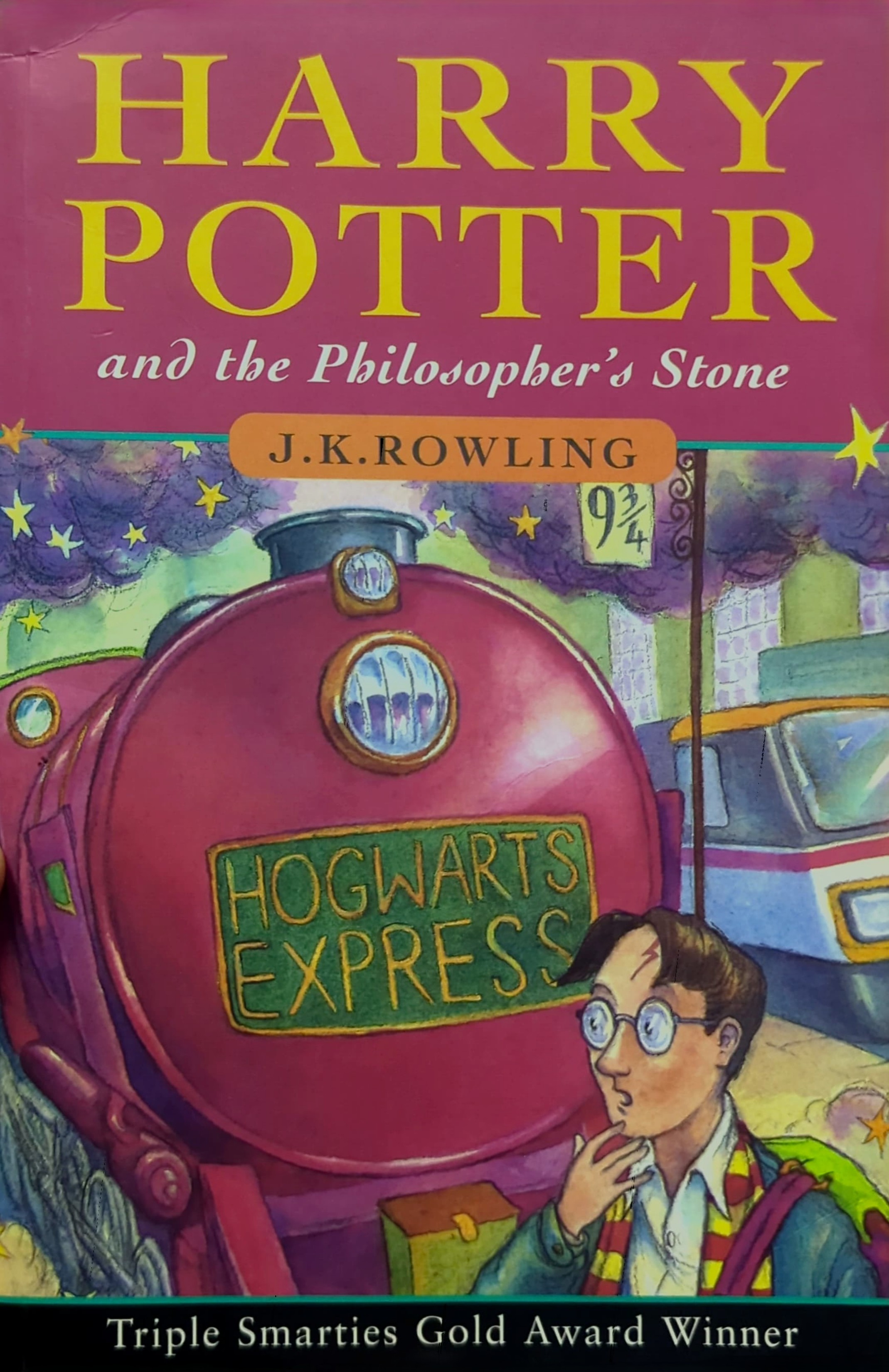
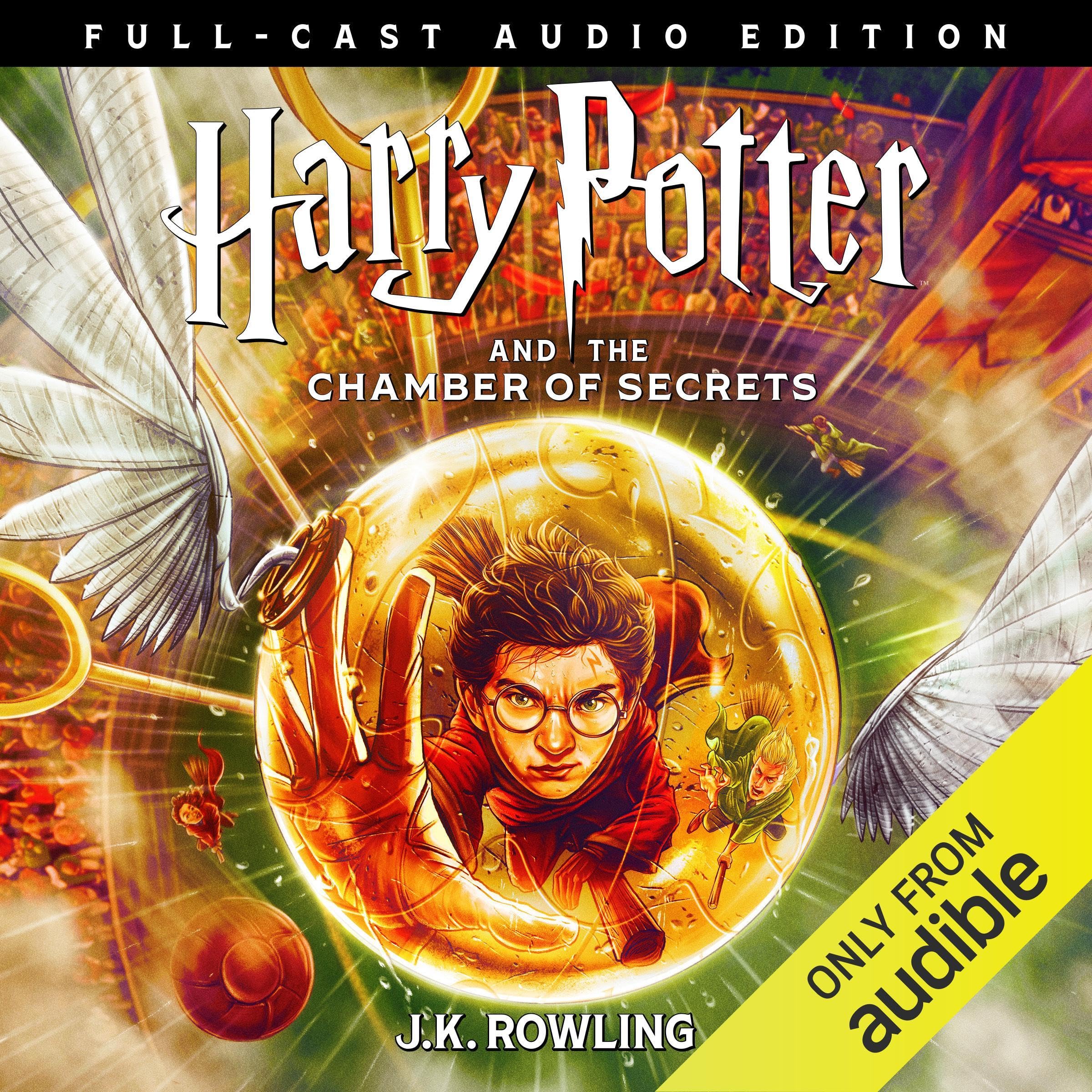
- The Harry Potter Reboot's Burden: Can a new HBO series escape the shadow of the originals?
- 1984's Enduring Relevance: The challenge of adapting a timeless dystopian warning.
- Animal Farm's Animated Future: How to bring Orwell's fable to life anew.
Our Scoring Methodology: The Lit-Pop Litmus Test
We're judging these adaptations on three critical criteria, with a maximum total of 25 points:
- Fidelity to Source (0-10): How accurately does the adaptation capture the core plot, character arcs, and, most importantly, the spirit and thematic depth of the original novel? This isn't just about scene-for-scene recreation, but essential narrative integrity.
- Cinematic Vision (0-10): Does the adaptation stand on its own as compelling cinema or television? This includes direction, screenplay, performances, visual storytelling, and overall impact as a standalone piece of entertainment.
- Fan Satisfaction (0-5): Does the adaptation meet the high, often impossible, expectations of the book's devoted readership? This is a subjective but vital measure of success in the adaptation game.
1. Dune (Denis Villeneuve's Films)

Fidelity to Source: 9/10 Villeneuve's Dune is a masterclass in respectful adaptation. He doesn't just skim the surface; he plunges into Frank Herbert's intricate world-building, political machinations, and philosophical underpinnings. The internal monologues, often the death knell for sci-fi adaptations, are cleverly integrated through visual cues and subtle dialogue. While some elements are streamlined, the essence of Arrakis, the Fremen, and the Bene Gesserit is remarkably intact. This isn't just a movie inspired by Dune; it's Dune on film.
Cinematic Vision: 10/10 Visually, Dune is an unparalleled triumph. Every frame is a painting, every sound a tremor in the desert. The scale is monumental, the world-building immersive, and the pacing deliberate, allowing the grandeur and the menace to truly sink in. Hans Zimmer's score is iconic, and the cast delivers performances that elevate the already rich material. This is filmmaking operating at its absolute peak, proving that epic sci-fi can be both intelligent and breathtaking.
Fan Satisfaction: 5/5 Finally, a Dune adaptation that doesn't just satisfy; it vindicates. Decades of waiting, and the impossible was achieved. Fans largely agree: this is the Dune they've been dreaming of, a respectful, visually stunning, and emotionally resonant translation. It feels like the book, looks like the book, and breathes like the book.
Total: 24/25
2. The Hobbit, or There and Back Again (Peter Jackson's Trilogy)

Fidelity to Source: 3/10 This is where Peter Jackson stumbled, badly. Turning a whimsical, self-contained children's story into a bloated, three-film epic was an egregious error. The addition of extraneous plotlines, unnecessary characters (Tauriel, anyone?), and relentless action sequences diluted the original's charm and simplicity. What was once a journey of discovery became a forced march through an overproduced CGI landscape. It's less an adaptation and more a fan-fiction fever dream with a massive budget.
Cinematic Vision: 6/10 While individual moments shine (Smaug is still magnificent), the trilogy as a whole suffers from inconsistent pacing, overreliance on CGI, and a lack of the grounded, practical artistry that made Lord of the Rings so special. The forced epic scope clashes with the intimate tone of the book, leaving audiences with a sense of visual exhaustion rather than wonder. It looks expensive, but it rarely feels earned.
Fan Satisfaction: 2/5 For many, including this critic, the Hobbit trilogy was a profound disappointment. The decision to expand it so drastically felt like a cynical cash grab rather than a creative necessity. While some casual viewers enjoyed the spectacle, hardcore Tolkien fans felt betrayed by the narrative liberties and the departure from the book's gentle spirit. We've certainly discussed superior Tolkien adaptations before, and this isn't one of them. For a better fantasy comparison, see our piece on The Hobbit vs. Goblet of Fire: Which Fantasy Epic Reigns Supreme?.
Total: 11/25
3. Project Hail Mary (Upcoming Film)

Fidelity to Source: TBD (Potential: 8/10) Andy Weir's novel is a meticulously crafted puzzle box of science, humor, and heart. The upcoming film, starring Ryan Gosling, has the potential for high fidelity, given the linear plot and engaging protagonist. The challenge will be translating Ryland Grace's internal monologue and scientific explanations without bogging down the pacing. If the script can capture his wit and the sheer ingenuity of his problem-solving, it will be a winner. Crucially, the bond with Rocky must be handled with care, as it's the emotional core.
Cinematic Vision: TBD (Potential: 9/10) With a strong director and Gosling at the helm, the cinematic vision could be spectacular. The vastness of space, the unique alien design (if they dare to be faithful), and the ticking-clock tension all lend themselves perfectly to the big screen. The potential for visual innovation in depicting scientific concepts and the sheer wonder of interstellar travel is immense. This is a story that begs for cinematic grandeur, and the ingredients are there for a visually stunning, emotionally resonant sci-fi blockbuster. Read our earlier thoughts on the book in Unpopular Opinion: 'Project Hail Mary' is Overhyped Sci-Fi, but the adaptation potential remains high.
Fan Satisfaction: TBD (Potential: 4/5) Fans are cautiously optimistic. The book is beloved for its intelligence and optimism, and any adaptation that stays true to that spirit, and nails the central relationship, will be lauded. The biggest fear will be oversimplification of the science or a Hollywood-esque alteration of the ending. If it delivers the same blend of smarts and heart, it will be a runaway success.
Total: TBD (Potential: 21/25)
4. Harry Potter and the Philosopher's Stone (Upcoming HBO Max Series)

Fidelity to Source: TBD (Potential: 7/10) The biggest promise of the HBO Max series is its episodic format, allowing for greater fidelity than the original films. This means more time for world-building details, character development, and plotlines often condensed or cut. However, the shadow of the original films is long, and deviating too much or too little could both alienate. The challenge will be staying true to the book's whimsical yet grounded tone without simply rehashing what's been done. The
FAQ
Should I read the book before watching the adaptation?
Generally, yes. Reading the book first allows you to fully immerse yourself in the author's original vision, character depth, and thematic nuances before they are interpreted through another medium. This enriches your viewing experience, whether the adaptation is faithful or takes liberties.
What makes a book-to-screen adaptation successful?
A successful adaptation balances fidelity to the source material's core themes and characters with a strong cinematic vision that utilizes the strengths of the screen medium. It should honor the book's spirit while making compelling choices for visual storytelling and pacing, standing strong as a piece of art in its own right.