Jumanji: How to Turn a 32-Page Art Book Into a Blockbuster
Hollywood is raiding the nursery for its next big franchise, but adapting minimalist children's classics like Jumanji and The Cat in the Hat is an act of radical, and risky, reinvention.
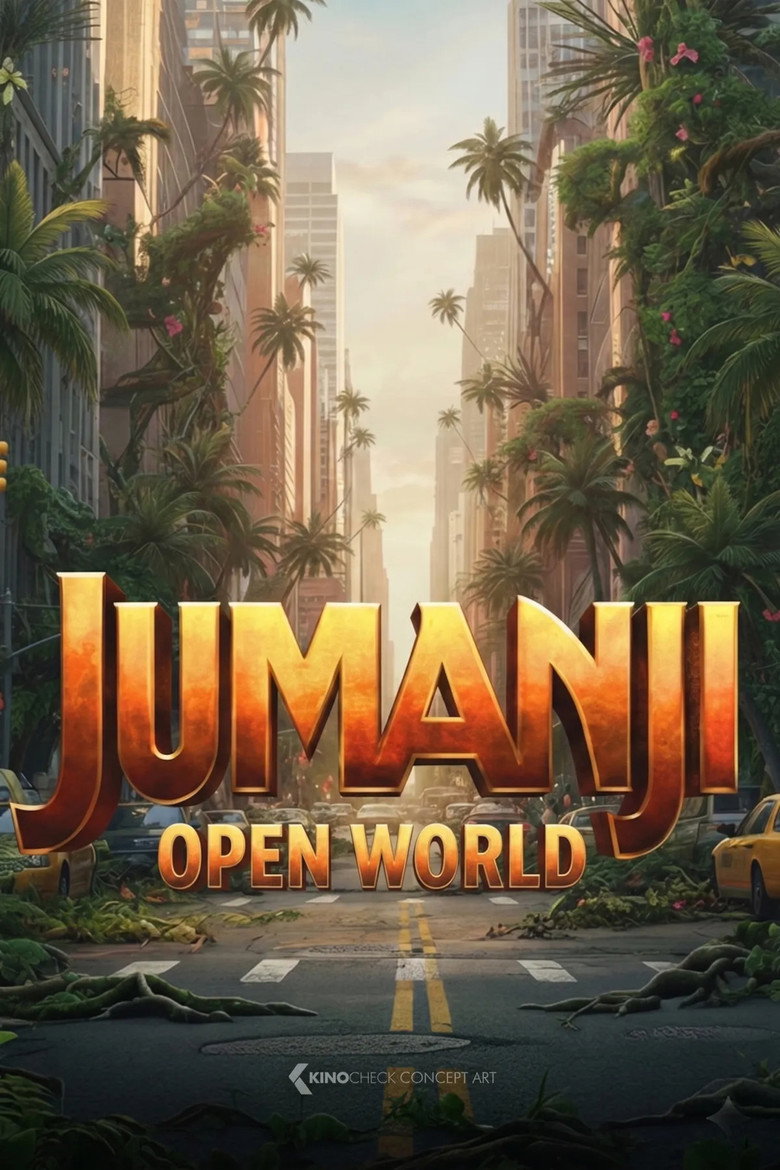
The book sat on the coffee table, a quiet rectangle of dread. For a child of the 90s, opening Chris Van Allsburg’s Jumanji was an exercise in bravery. It wasn’t the story, which was deceptively simple, but the art. Those grainy, charcoal illustrations depicted a world tilting into chaos with the chilling realism of a photograph. A lion perched on a piano wasn't cartoonish; it was a predator in the living room, its eyes unnervingly placid. Monkeys ransacked a kitchen with the manic energy of a home invasion. It was a sublime, suburban horror story told in shades of grey, where the mundane was swallowed by the menacing. Now, flash forward to a darkened theater, the bass cranked so high it rattles your teeth. Dwayne “The Rock” Johnson, playing the avatar of a nerdy teenager, is punching his way through a legion of CGI thugs in a lush, digital jungle. The threat isn't existential dread; it's a video game boss. This is the chasm between the page and the screen, a gulf so wide it represents one of the most audacious, and successful, acts of adaptive alchemy in modern cinema.
From Picture Book to Blockbuster: An Adaptation Breakdown
This essay explores the high-stakes game of adapting minimalist children's literature into feature-length blockbusters. We'll dissect the key transformations and what they reveal about Hollywood's current creative strategy.
- Jumanji (The Book) vs. Jumanji: Open World (The Movie): Analyzing the shift from a mysterious board game to a body-swapping video game.
- The Cat in the Hat (The Book) vs. The Cat in the Hat (The Movies): Comparing the disastrous 2003 live-action attempt with the promise of the upcoming animated feature.
- The Theory of 'Promotional IP': Why studios are increasingly targeting properties with high brand recognition but low narrative density.
- Success vs. Failure: Defining what makes one adaptation soar and another crash.
Hollywood's Great IP Excavation
We are living in the age of the IP strip mine. Studios, desperate for pre-existing brand awareness in a fractured media landscape, are no longer content with adapting sprawling fantasy epics or dense literary novels. They are drilling down to the bedrock of our collective childhoods: the picture book. This isn’t about faithfully translating a story; it’s about extracting a beloved title and a core concept—a brand name, really—and building a massive cinematic structure on top of it. Jumanji is the triumphant poster child for this strategy. Chris Van Allsburg's 1981 book is a masterpiece of atmosphere, but it is narratively skeletal. Two children play a game, chaos ensues, the game ends. That’s it. There are no heroes, no villains, no lore. The 2017 film, Welcome to the Jungle, and its successors recognized that you cannot stretch 32 pages of mood into a two-hour movie. Instead, they took the central conceit—a magic game that unleashes jungle chaos—and completely re-engineered it for a modern audience.
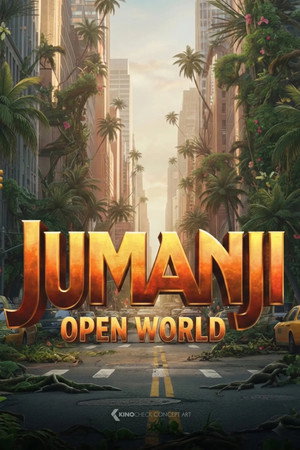

This cultural moment is driven by a simple economic reality: it is infinitely easier to market a title people already love. The name Jumanji carries decades of nostalgic goodwill, first from the book, then from the 1995 Robin Williams film. This new franchise leverages that name recognition but attaches it to a completely different engine—the high-concept, star-driven action-comedy. It’s a brilliant bait-and-switch. This trend also explains the persistence of properties like The Cat in the Hat. The 2003 live-action film was a critical and commercial travesty, a film so misguided it caused the Seuss estate to forbid any further live-action adaptations of his work. Yet, here we are in 2026, with a new animated version on the horizon. Why? Because the Cat’s striped hat is one of the most recognizable silhouettes in global culture. The brand is too valuable to leave dormant. The failure of the first film and the promise of the new one perfectly bookend the risks and perceived rewards of this IP excavation. The Mike Myers vehicle failed because it tried to graft an adult-oriented, chaotic mess onto a foundation of pure, childlike anarchy. The upcoming animated film, by its very nature, suggests a course correction—an attempt to capture the spirit and style of Seuss, not just his characters. It’s an admission that some source material is inextricably linked to its medium, and a successful adaptation must respect that link.
The Unspoken vs. The Overshown
Comparing these books to their films is a study in contrasting artistic strengths. One medium whispers, the other screams, and neither is inherently better, but they achieve radically different goals.
The power of the Jumanji book is what it doesn't show. Van Allsburg’s photorealistic charcoal drawings create a profound sense of unease precisely because they are static. A rhino stampede isn’t a flurry of motion; it’s a frozen moment of terror, the immense weight and power of the animals captured in a single, silent frame. The horror is in the juxtaposition of the impossible and the mundane—a monsoon in the den. The book’s sparse prose offers no explanation, no comfort. The game is a force of nature, an intrusion of the sublime into suburbia. Its strength is its mystery. The film franchise, particularly Jumanji: Open World, is the polar opposite. Its primary strength is kinetic, verbal, and visual spectacle. It trades mystery for mechanics, giving the game clear rules, levels, and objectives. The internal, psychological fear of the book is externalized into literal, punchable threats. The genius of the new films lies in the character comedy born from the body-swap premise. Watching Dwayne Johnson channel the neurotic energy of a teenage boy or Jack Black embody the vanity of a high-school queen bee is pure cinematic joy. The film excels at showing, not suggesting, and its success is rooted in the charisma of its stars and the clarity of its high-concept plot. The book is art-house horror; the film is a four-quadrant theme park ride.


This same dynamic, with a more tragic outcome, applies to The Cat in the Hat. Dr. Seuss's book is a marvel of economy. Its strength lies in its perfect marriage of rhythmic, anapestic tetrameter and minimalist, three-color illustration. The chaos the Cat unleashes is joyful because it is contained by the rigid structure of the poetry and the clean lines of the art. It’s a controlled explosion, a lesson in mischief that reassuringly ends with everything put right. The 2003 film mistook this controlled chaos for a license to create absolute, anarchic ugliness. Its visual palette was a nauseating explosion of clashing colors and grimy textures. Its script, padded with inappropriate jokes and a nonsensical plot about a corporate villain, completely misunderstood that the book’s tension comes from a simple, relatable place: two bored kids, a messy house, and the looming threat of their mother’s return. The book’s strength is its simplicity and linguistic brilliance. The film’s weakness was its utter contempt for those virtues. The hope for the 2026 animated version is that it understands this. Animation is the only medium that can faithfully replicate Seuss's visual language, to bring his world to life without the uncanny-valley horror of a man in a cat suit. Its potential strength is a return to the source’s clean, vibrant spirit.
The Art of Inflation: From 30 Pages to Two Hours
Every adaptation is an act of translation, but adapting a picture book is an act of invention. The divergences aren't just trims or consolidations; they are foundational reconstructions.
The most significant and brilliant divergence in the Jumanji franchise was changing the core mechanic from a board game to a video game. This single choice solved every narrative problem. In the book, the children are passive victims; the game happens to them. In the film, by being sucked into the game, they become active protagonists. This shift immediately provides a classic quest structure: they have a goal (find the jewel, lift the curse), obstacles (traps, villains), and a clear path to victory. It also introduces the avatar/body-swap concept, which is the comedic and emotional engine of the entire series. It’s no longer just about surviving a stampede in your hallway; it’s about learning empathy, courage, and self-acceptance by literally walking around in someone else’s (super-powered) skin. This is a betrayal of the book's quiet, atmospheric horror, but it is an absolutely necessary and inspired betrayal for the creation of a modern blockbuster. The film keeps the name and the jungle theme, but builds something entirely new and, in its own way, just as entertaining. It’s the gold standard for how to inflate a concept without popping it.
Conversely, the 2003 The Cat in the Hat is the cautionary tale. Its divergences were not born of narrative necessity, but of creative bankruptcy. The writers clearly believed the book’s simple premise—a chaotic cat visits two bored kids—was insufficient. So they added filler of the worst kind: a boorish, germaphobic neighbor as a villain (Alec Baldwin, tragically), a subplot about the mother's real estate career, and a trip to a rave-like party. They took Seuss's self-contained world, a single house on a rainy day, and blew it open, diluting its power. The most egregious divergence was the characterization of the Cat himself. In the book, he is a force of pure, unadulterated id—a magical creature of mischief. Mike Myers played him as a smarmy, winking lounge lizard, spewing dated pop-culture references and creepy innuendos. It was a complete tonal misfire. The lesson is clear: when you inflate a story, the new material must be in harmony with the spirit of the original. Jumanji succeeded by creating new plot mechanics and character dynamics that felt fresh yet thematically appropriate. The Cat in the Hat failed by injecting cynical, ugly elements that were actively hostile to the source material's innocent charm.
The Editor's Verdict
When the source is a whisper and the adaptation is a shout, which do you listen to first? It depends entirely on the quality of the shout.
For the Jumanji Pair, the answer is to experience both, but in the correct order. Start with Chris Van Allsburg's book. It is a haunting, beautiful, and brief experience that stands alone as a work of art. Its unique brand of suburban dread is something no film can fully replicate. Then, watch the new films, starting with Welcome to the Jungle. Appreciate them as a completely separate creation—a brilliant act of commercial reinvention that uses the book's title as a launchpad for a ridiculously fun action-comedy franchise. They are a masterclass in how to respectfully betray a source to create something new and wonderful.
- Jumanji (Book) Rating: 9/10. Its power is in its atmospheric illustrations and unsettling calm, a high point in children's literature.
- Jumanji: Open World & Franchise Rating: 8/10. Points are awarded for the brilliant video game concept and the cast's incredible chemistry. It loses a couple for the generic CGI action sequences that sometimes overwhelm the character comedy.
For the Cat in the Hat Pair, the choice is painfully simple. The book is essential reading, a cornerstone of 20th-century children's literature. The 2003 film is essential avoiding. The upcoming 2026 animated movie carries the hope of a generation of readers, a hope that animation can finally do justice to Seuss's vision where live-action so spectacularly failed. The potential is there, but the scars of the past run deep.
- The Cat in the Hat (Book) Rating: 10/10. It is a linguistically and visually perfect object.
- The Cat in the Hat (2026 Film) Rating: TBD. The move to animation is the single most promising decision the project could have made, but the challenge of stretching this story remains immense.
FAQ
How are the new Jumanji movies different from the book?
The book by Chris Van Allsburg is a quiet, atmospheric horror story where a board game brings the jungle into a suburban house. The new movies are action-comedies where teenagers are sucked into a video game, becoming adult avatars to complete a quest.
Why did the 2003 'The Cat in the Hat' movie fail?
The live-action film was a critical and commercial failure due to its chaotic and ugly visual design, a reliance on crude, adult-oriented humor that was unfaithful to the source material, and a padded, unnecessary plot. It led Dr. Seuss's estate to ban further live-action adaptations.
What is the premise of the upcoming 'The Cat in the Hat' movie?
The 2026 film is an animated feature, a medium considered much more suitable for Dr. Seuss's iconic art style. While plot details are scarce, it aims to be a more faithful and family-friendly adaptation than the 2003 live-action version.