Fractured Families and Quiet Dread: The 2026 Adaptation Shift
Why psychological thrillers and domestic suspense are finally beating spectacle to the screen
The era of cinematic spectacle is over, and the only adaptations worth your attention are the ones that trap you in a psychological pressure cooker with a fractured family and an unreliable narrator. We are done with worldbuilding that spans galaxies when the most terrifying frontiers are the ones hidden behind suburban doors and post-apocalyptic horizons. Hollywood’s recent pivot toward intimate, character-driven thrillers and domestic suspense novels isn’t a fleeting trend—it’s a necessary correction. Audiences are exhausted by CGI bloat and algorithmic franchise fatigue, while writers are finally leaning into the quiet, suffocating dread that only comes from internal moral collapse. The upcoming slate of book-to-screen crossovers proves that psychological tension, when handled with surgical precision, outperforms explosions every single time. If you want proof, look no further than how the industry is finally treating internal trauma as the primary antagonist.
What to Know About 2026’s Psychological Thriller Adaptations
- How The Dog Stars translates post-apocalyptic grief into cinematic survival
- Why The Last Sunrise shifts from YA romance to intense domestic suspense on screen
- The folk-horror dread of Wicker and how isolation fuels unreliable narration
- Which versions win: original novels versus their high-stakes film counterparts
The Fractured Lens: Why Quiet Dread and Domestic Suspense Define 2026
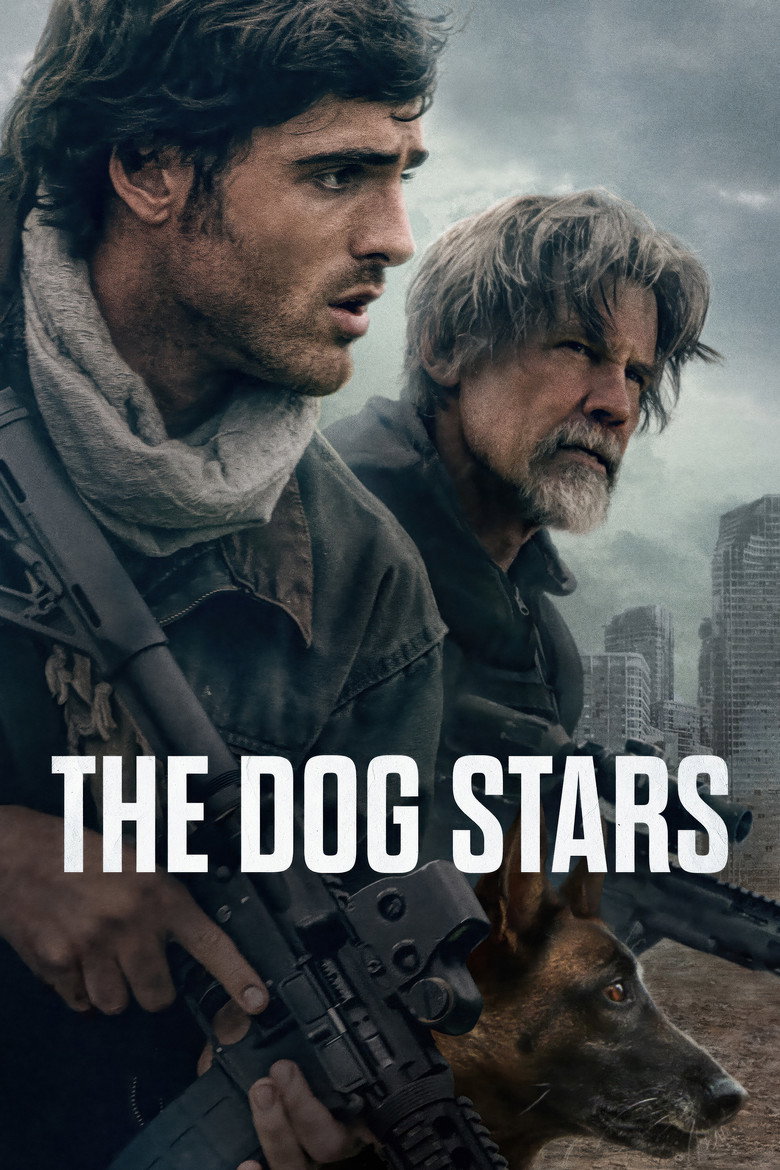
The cultural landscape of 2026 is defined by a profound exhaustion with scale. We’ve spent a decade watching cinematic universes expand into multidimensional sagas, only to realize that the most resonant stories are the ones that force characters—and audiences—to confront inescapable, intimate consequences. Nowhere is this more evident than in the adaptation of The Dog Stars by Peter Heller. The novel’s premise—a father navigating a silent, post-viral world with his dog and estranged daughter—mirrors our collective anxiety about isolation, ecological collapse, and the fragility of familial bonds. It isn’t about saving the world; it’s about the agonizing, granular process of trying to save one person when everything else has burned down. The book’s success lies in its refusal to offer heroic closure. Instead, it dwells in the liminal space of grief, making it a perfect anchor for a cultural moment obsessed with survival psychology rather than military triumph. As we explore in deeper dives on literary adaptations of psychological depth, the shift away from external villains toward internal decay is no longer a niche preference—it’s the dominant narrative paradigm.
This shift toward internalized dread is equally visible in how we’re recontextualizing The Last Sunrise by Anna Todd. Originally positioned within the YA romance ecosystem, the narrative’s core actually thrives on emotional volatility, codependency, and the terrifying unpredictability of young adulthood. When stripped of genre expectations, it functions as a domestic suspense novel where the threat isn’t a monster, but the psychological manipulation inherent in volatile relationships. The cultural appetite for dissecting unreliable romantic partners aligns perfectly with the broader thriller movement. Audiences are no longer interested in fairy-tale meet-cutes; they want the messy, psychologically fraught reality of love as a survival mechanism. The book’s raw, unfiltered access to adolescent anxiety taps directly into a generation that views emotional stability as a luxury rather than a baseline.
Meanwhile, Wicker taps into a different strain of contemporary anxiety: the fear of the unknown encroaching on the familiar. The source material’s exploration of a lone protagonist entering a closed, ritualistic community plays directly into our current distrust of insular systems and performative harmony. Whether interpreted through folk horror or psychological suspense, the narrative weaponizes isolation. The cultural moment demands stories where the environment itself is an unreliable narrator, and where trust is the first casualty of survival. These three pairings—apocalyptic grief, romantic codependency, and communal dread—share a common DNA: they reject external spectacle in favor of internal collapse. They understand that the most effective suspense doesn’t come from what’s chasing you, but from what you’re running from inside yourself.
Architecture of Tension: Prose Interiority Versus Cinematic Exteriority
The novel remains the undisputed champion of interiority. Peter Heller’s The Dog Stars proves this by weaponizing silence. The prose doesn’t just describe the empty landscape; it mimics the protagonist’s fractured mental state through fragmented syntax, lingering unspoken regrets, and a pacing that deliberately denies the reader narrative momentum. The book’s greatest strength is its refusal to explain Eddie’s grief through exposition. Instead, it forces you to sit in the uncomfortable quiet alongside him, making the act of reading a psychological endurance test. No film can replicate the exact texture of that internal monologue. The screen version of The Dog Stars will inevitably have to externalize Eddie’s grief through visual metaphors—driftwood, decaying architecture, the dog’s restless pacing, and cross-cutting between past and present. While cinematic, this translation sacrifices the novel’s greatest strength: the unmediated access to a mind slowly unraveling. The book earns its tension through psychological proximity; the movie will have to earn it through atmospheric dread and careful blocking.

Conversely, The Last Sunrise is where the screen format actually outperforms the page. Anna Todd’s novel relies heavily on diary-style entries and text-message formatting, which works on the page but translates poorly to traditional prose pacing. The fragmented structure can feel repetitive in book form, trapping the reader in a loop of emotional rehashing. The screen adaptation, however, transforms this into a rhythmic editing choice. Visual storytelling allows the film to juxtapose romantic idealism with domestic tension through lighting, framing, and performance. The actor’s micro-expressions can convey the shifting power dynamics between characters in a way that exposition cannot. A lingering shot of a character avoiding eye contact across a dinner table does more heavy lifting than three pages of internal justification. The screen adaptation transforms what might be a claustrophobic reading experience into a visually dynamic study of emotional manipulation, proving that sometimes the camera is the only tool sharp enough to cut through melodrama.

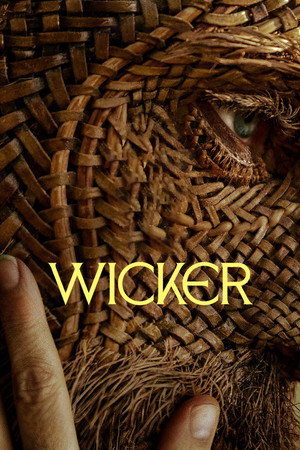
Wicker presents a fascinating dichotomy. The book/script thrives on slow-burn psychological suggestion, planting subtle clues that only coalesce in hindsight. This requires a patient reader who enjoys piecing together unreliable perspectives and tracking the gradual erosion of rationality. The 2026 film adaptation, however, leverages the inherent strengths of the visual medium: sound design and spatial composition. Folk horror and psychological suspense rely on the audience’s peripheral vision—the thing just outside the frame, the distorted choir, the unnatural geometry of the set. While the book builds dread through implication and literary restraint, the movie can weaponize auditory hallucinations, sub-bass frequencies, and cinematographic disorientation. The page wins for intellectual puzzle-solving and thematic precision; the screen wins for visceral, physiological fear. As we’ve argued in previous breakdowns of why screen adaptations fail literary risk, the medium that wins is the one that stops trying to replicate the other and instead leans into its native language.

The Fidelity Trap: Where Script Rewrites Outpace Novel Pacing
Adaptation is never translation; it’s negotiation. The most interesting divergences in The Dog Stars will likely involve the compression of time and the externalization of the daughter’s trauma. The novel spends chapters on Eddie’s memories of his wife, using flashbacks to ground his present-day desperation. A film cannot afford that luxuriously slow burn without risking pacing collapse. The screen version will almost certainly condense these memories into visual triggers—a photograph, a piece of clothing, a recurring melody that distorts as his mental state degrades. This is a necessary betrayal. While purists will mourn the loss of internal context, the film gains narrative momentum by forcing the emotional stakes into the present tense. However, if the adaptation removes the daughter’s agency to make her a mere plot device, it commits a fatal error. Her psychological complexity is the anchor of the story, and flattening her for cinematic efficiency would drain the moral dilemma of its weight. The film must preserve her interiority through action rather than dialogue, or it becomes just another survival movie.
In The Last Sunrise, the divergence strategy should focus on tonal recalibration. The book’s YA roots often lean into melodrama, which can undermine the psychological tension. The film adaptation has a unique opportunity to strip away the genre trappings and lean fully into domestic suspense. By tightening the dialogue, removing the diary-entry crutch, and replacing internal monologue with environmental storytelling, the screen version can elevate the material into a sharper study of emotional volatility. If the filmmakers resist the urge to manufacture a neat, romantic resolution and instead commit to the ambiguity of the source material’s fractured relationships, the adaptation will surpass the novel. A tidy ending would be a catastrophic loss; a lingering, uncomfortable silence would be a triumph. The film must trust the audience to sit with unresolved tension, a quality that separates prestige suspense from network television filler.
Wicker faces the most treacherous adaptation path. Folk horror relies on cultural specificity and ritualistic detail. Stripping away the book’s meticulous descriptions of the community’s customs to prioritize plot progression is a common adaptation failure. The film must resist compressing the ritual into a generic horror set-piece. Instead, it should amplify the psychological unraveling of the protagonist by making the environment increasingly hostile and inexplicable. The most interesting divergence here will be the handling of the climax. The source material’s conclusion hinges on a specific, culturally grounded sacrifice. If the film translates this into a broader, more universal horror payoff, it gains accessibility but loses thematic precision. My prediction: the film will externalize the psychological horror into literal manifestations, a choice that sacrifices the story’s intellectual rigor for visceral impact. It’s a risky gamble, but one that could work if the cinematography remains disciplined and the sound design refuses to cheapen the dread with jump scares.
The Final Scorecard: Which Medium Actually Delivers the Truth?
When the dust settles on 2026’s psychological slate, the hierarchy of mediums becomes clear. For The Dog Stars, the novel is essential. Peter Heller’s prose captures the quiet devastation of survival in a way that no camera can replicate. The book earns a 9/10 for its unflinching commitment to interiority, its masterful use of silence as a narrative tool, and its refusal to sanitize grief. The film adaptation The Dog Stars will likely score an 8/10, trading literary depth for atmospheric tension. It loses a point for the inevitable compression of backstory, but gains one for the visceral impact of visual survival. Viewers should read the book first to understand the psychological architecture before experiencing the cinematic execution.
For The Last Sunrise, the screen adaptation is the superior entry point. The novel’s structural fragmentation and YA melodrama hold it back, earning it a 7/10. It suffers from repetitive emotional loops that lack narrative progression. The film The Last Sunrise benefits from visual storytelling, performance-driven tension, and tighter pacing, pushing it to an 8.5/10. It earns extra points for transforming text-message formatting into dynamic editing rhythms. Watch the movie first; the book serves better as a companion piece for those who want to explore the raw, unpolished emotional diary entries without the filter of cinematic structure.
Wicker remains a masterclass in slow-burn dread, scoring a 9/10 for its meticulous pacing, psychological suggestion, and intellectual rigor. The film Wicker will likely score an 8/10, leveraging sound design and spatial horror to compensate for the inevitable compression of ritualistic detail. It loses a point for the high risk of visualizing the unseeable, but gains one for the potential of physiological terror. Read the book to appreciate the intellectual puzzle; watch the film to experience the visceral payoff.
The definitive claim: The Dog Stars achieves a more profound exploration of paternal grief than any post-apocalyptic film in the 2020s, primarily because it refuses to externalize the apocalypse into a villainous force. The page wins when the threat is internal; the screen wins when the threat is environmental. Adaptations that understand this distinction will define the next era of prestige storytelling, and those that ignore it will be buried under their own spectacle.
FAQ
Why are psychological thrillers and domestic suspense novels dominating 2026 adaptations?
Audiences are fatigued by CGI-heavy blockbusters and franchise bloat. The current cultural mood favors intimate, high-stakes storytelling that explores internal moral collapse, fractured families, and unreliable narration over external spectacle.
Which medium handles internal monologue better in these adaptations?
The novel remains superior for interiority and psychological proximity, using syntax and pacing to mimic mental states. The screen must externalize these emotions through visual metaphors, blocking, sound design, and performance, which trades literary depth for visceral impact.
Do these adaptations improve upon or detract from the source material?
It depends on the project. The Dog Stars book outshines the film due to its unflinching interiority, while The Last Sunrise movie benefits from tighter pacing and visual storytelling that the novel's fragmented structure lacks. Wicker remains strongest on the page for its intellectual rigor, though the film can amplify physiological dread.