Unveiling Truths: Literary Adaptations of Psychological Depth
From German family sagas to modern romance, how 2026's book-to-screen crossovers dissect memory, identity, and the lies we tell ourselves.
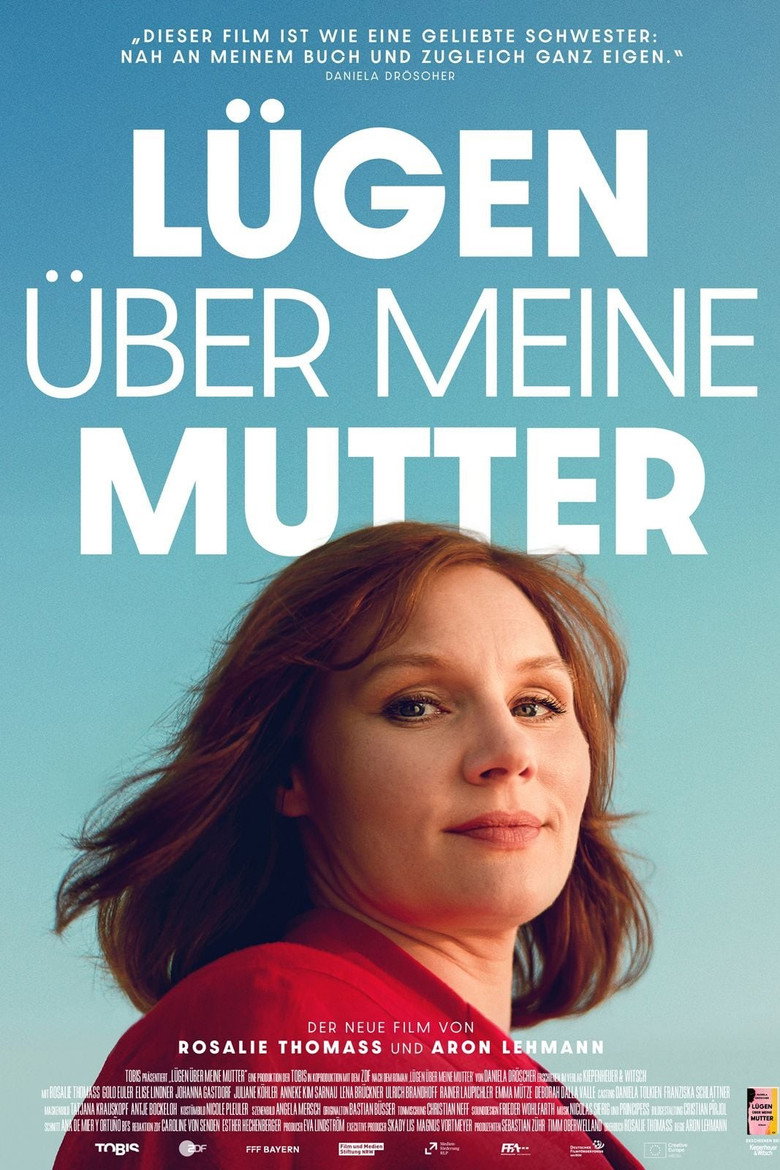
The stale air of the projection room clung to my clothes, the last flickering images of 'Lügen über meine Mutter' still ghosting on the screen. It was 2 AM, the premiere after-party long over, but I couldn't tear myself away from the stark, unsettling beauty of it all. The protagonist, alone in a dimly lit room, sifting through old photographs, each one a shard of a past reshaped by half-truths. It wasn't the kind of bombastic spectacle Hollywood usually churns out, but a quiet, insidious dissection of family secrets, a testament to how effectively the right literary source can be translated to the visual medium. This isn't about explosions or dragons; it's about the detonation of an internal world, the slow, agonizing revelation of fractured identities that resonates far deeper than any CGI-laden blockbuster. In an era saturated with algorithmic content, the industry is finally betting on the quiet power of literary specificity, drawing from books that explore the nuanced, often uncomfortable terrain of human psychology and memory. These aren't just adaptations; they're cultural mirrors reflecting our collective anxieties about truth and belonging.
Navigating the Labyrinth of Adapted Narratives
This essay dives deep into the intricate relationship between trending books and their screen counterparts, dissecting how complex themes of identity, memory, and psychological truth are translated (or lost) in adaptation. We'll explore:
- The contemporary cultural appetite for intimate, character-driven stories over sprawling franchises.
- How the unique strengths of prose and cinematic language each shape our understanding of internal conflict.
- The strategic choices made by adapters to diverge from source material, and whether these changes serve the narrative's core.
- A definitive verdict on which versions, book or screen, offer the most compelling and faithful experience.
The Whispers of Memory: How Psychological Dramas Capture the Current Mood
We are living in an age of profound uncertainty, where the narratives we tell ourselves—individually and collectively—feel increasingly fragile. This cultural moment isn't just seeking escapism; it's demanding introspection, a hunger for stories that unpick the threads of identity and memory. This is precisely where adaptations like Lügen über meine Mutter find their powerful resonance. Daniela Dröscher's novel, and its cinematic retelling, taps into a universal experience: the lies, both benevolent and malicious, that form the bedrock of family history. The film's muted palette and intimate camera work, especially in scenes depicting the daughter's solitary investigation into her mother's past, mirror the quiet desperation of a society grappling with its own historical revisions and personal mythologies. It's a powerful counter-narrative to the superhero fatigue, offering a different kind of heroism in the relentless pursuit of an uncomfortable truth. The cultural moment values authenticity, even when it’s ugly, and the film delivers on this, focusing on the insidious ways familial expectations can warp self-perception over decades.
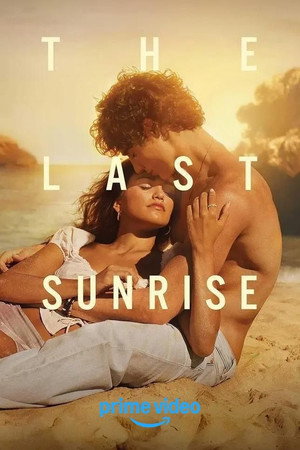
In stark contrast, Anna Todd's The Last Sunrise and its movie adaptation speak to a different, yet equally potent, cultural craving: the search for emotional intensity and self-discovery within the confines of romantic drama. While arguably less "niche literary" than Dröscher's work, Todd’s immense popularity on platforms like Wattpad and BookTok proves an undeniable pull towards stories centered on complicated relationships and the internal lives of young adults. The film’s focus on turbulent emotional landscapes, navigating trauma and burgeoning love, reflects a generation deeply invested in processing their feelings through narrative. It’s a commercial juggernaut, yes, but one that nonetheless engages with themes of fractured identity and the tension between perceived happiness and underlying emotional truth. The screen adaptation, with its slick production and emotive performances, clearly targets an audience eager to see complex relationship dynamics play out visually, offering a sense of connection through shared emotional experience that resonates profoundly in our often-isolated digital age. This isn’t a quiet apocalypse, but a tumultuous internal one, mirroring the often-dramatic self-narratives popularized by social media.
Narrative Architectures: Page vs. Screen in Crafting Interior Worlds
When it comes to plumbing psychological depths, the printed page often boasts an inherent advantage: direct access to a character's internal monologue. Daniela Dröscher’s novel, Lügen über meine Mutter, masterfully leverages this. The book's narrative voice is precise, often poetic, giving readers unfiltered access to the narrator's confusion, resentment, and determined excavation of her mother’s identity and the impact it had on her own. Dröscher builds atmosphere through meticulous prose, allowing the reader to inhabit the narrator's fragmented memories and piecemeal revelations. The tension lies in the narrator's shifting perspectives and the slow unraveling of a carefully constructed family myth. The novel’s strength is its ability to make the reader complicit in the narrator's journey, forcing us to question our own inherited truths. The pacing is deliberately meditative, a slow burn that relies on the cumulative weight of small details and internal reflections. It’s a book that demands patience, rewarding it with profound insight into the human condition.

Translating this kind of interiority to the screen, as the adaptation of Lügen über meine Mutter attempts, is a delicate dance. The film largely foregoes extensive voiceover, opting instead for visual storytelling and nuanced performances. The director uses long takes and close-ups to capture the protagonist’s emotional states, allowing the audience to read her micro-expressions as she confronts unsettling truths. The stark, almost clinical cinematography, juxtaposed with archival footage or stylized flashbacks, attempts to convey the fragmented nature of memory. While the film excels at creating a pervasive sense of melancholic dread, it inevitably loses some of the novel's philosophical depth. The subtle shifts in the narrator's understanding, so meticulously detailed in Dröscher's prose, become more reliant on actorly interpretation, which, while commendable, cannot fully replicate the intimacy of direct internal thought. It's an atmospheric triumph, but a philosophical compromise.
Conversely, Anna Todd's The Last Sunrise (book) thrives on raw, immediate emotion and dramatic tension, often delivered through a first-person perspective that prioritizes visceral reaction over literary elegance. Todd's prose is direct, designed for rapid consumption, pulling readers through emotional highs and lows with an addictive rhythm. The power of the book lies in its direct appeal to the reader's empathy for characters navigating intense emotional turmoil and complicated romantic entanglements. It's less about subtle psychological excavation and more about the impact of past trauma on present relationships, presented with an earnestness that has captivated millions. The emotional stakes are explicit, the conflicts often externalized through dialogue and dramatic situations, making it arguably more suited for a straightforward screen adaptation than Dröscher's nuanced literary work.
The The Last Sunrise movie capitalizes on this inherent cinematic quality. Its strength lies in its ability to amplify the emotional beats through casting, score, and visual flair. The film embraces the melodrama, using sweeping cinematics and a soaring soundtrack to heighten the intensity of key romantic and confrontational scenes. Performances are central, with the leads tasked with conveying the deep emotional scars and burgeoning affections that are explicit on the page. While some purists might decry the commercial gloss, the film effectively translates the book's core appeal: immersive emotional drama. It trades the book's rapid-fire internal monologues for expressive faces and charged silences, often achieving a powerful emotional resonance that might even surpass the book’s occasionally simplistic prose in certain scenes. For a deeper look into the friction between page and screen, check out our piece on Page vs. Frame: Why 2026's Adaptations Crave Friction.
The Art of Reinterpretation: Decoding Adaptation's Transformative Choices
Adaptation is never a direct translation; it's a reinterpretation, a creative act that often requires deliberate divergences. In the case of Lügen über meine Mutter, the film’s most significant divergence from Dröscher’s novel lies in its structural approach to time and memory. The book moves fluidly between past and present, allowing the narrator's investigative journey to inform and color the fragmented recollections. The film, however, opts for a more linear, albeit still non-chronological, presentation of flashbacks, making some of the initial narrative ambiguity less pronounced. This choice streamlines the plot for a visual medium, preventing potential confusion but at the cost of some of the novel’s subtle, psychological layering. The cinematic version prioritizes a more direct emotional arc for the protagonist, culminating in a slightly more explicit moment of self-acceptance than the book's quieter, more introspective conclusion. This was a loss, sacrificing the novel's profound discomfort for a more digestible, albeit still poignant, resolution. The raw, unresolved feeling of the book, where the truth itself is a shifting landscape, felt more authentic.
For example, a pivotal scene in the novel involves the narrator confronting an elderly relative, whose vague, contradictory statements only deepen the mystery. In the film, this encounter is made more dramatic and confrontational, providing a clearer, albeit less ambiguous, narrative beat. While effective cinematically, it diminishes the sense of the narrator’s solitary, internal struggle against a wall of evasive familial silence, a core strength of the book. The film's choice to externalize more of the conflict felt like a concession to mainstream pacing, losing the slow, suffocating dread that makes the book so compelling.
The Last Sunrise movie, in contrast, navigated its divergences with a different set of challenges. Anna Todd’s novels are known for their intricate emotional webs and often sprawling character dynamics. The film adaptation needed to condense these elements without sacrificing the core romantic tension or the emotional impact of the characters' backstories. One key divergence was the streamlining of supporting character subplots. The book features a wider ensemble, each with their own minor dramas that contribute to the protagonist's emotional state. The film intelligently consolidates these, often merging two minor characters into one or omitting less critical arcs entirely to keep the focus squarely on the central romance and its psychological hurdles. This was an improvement, making the narrative tighter and more impactful on screen. The book, at times, could feel bogged down by peripheral concerns, whereas the movie maintained a sharp focus, amplifying the emotional stakes where it truly mattered.
Another notable shift in The Last Sunrise was the visual interpretation of past trauma. In the book, these are often recounted through lengthy internal reflections. The film employs evocative, often dreamlike, flashback sequences that are brief but potent, using color grading and sound design to immediately convey the emotional weight of these memories. This visual shorthand is a masterful adaptation choice, avoiding expository dialogue that could derail the film's pacing while still providing crucial context for the characters' present-day struggles. It effectively translates the subjective experience of memory into an objective visual language, enhancing the viewer's understanding without verbose explanations. This deliberate reinterpretation proves that sometimes, less is indeed more, particularly when dealing with the heavy baggage of character histories.
Editor's Final Reckoning: Navigating the Echoes of Truth
When grappling with adaptations centered on fractured identities and buried truths, the question isn't just about faithfulness, but about which medium best serves the story's soul. For Lügen über meine Mutter and its screen counterpart, my recommendation is clear: read the book first. Daniela Dröscher's novel is a masterpiece of introspective narrative, a slow, methodical unraveling of generational lies that cinema, for all its visual artistry, simply cannot fully replicate. The book’s ending, with its lingering questions and nuanced ambiguity, is far more haunting and intellectually stimulating than the film’s more conventional, if still poignant, resolution. The film is a commendable effort, visually striking and well-acted, but it streamlines the narrative too much, sacrificing crucial layers of psychological complexity for cinematic flow. The movie's choice to make the final confrontation more explicit than the book's quiet, internal reckoning cheapens the profound sense of lingering uncertainty that made the original so impactful.
- Lügen über meine Mutter (Book): 9/10. Earns its high score for its unparalleled psychological depth, masterful prose, and courageous embrace of narrative ambiguity; it lost a point for demanding a level of patience that might deter some readers, but this is a minor quibble for such a rich experience.
- Lügen über meine Mutter (Movie): 7/10. A solid, atmospheric adaptation that captures the novel's mood, but its narrative divergences, particularly the more explicit ending, cost it points by diluting the source's unique strength in ambiguity.
For The Last Sunrise, the calculus shifts. While Anna Todd’s novel provides the foundational emotional blueprint, the screen adaptation excels in amplifying its core strengths. I recommend watching the movie first. The film's visual language and the chemistry of its leads elevate the emotional intensity and streamline the plot in a way that truly brings the story to life. The book, while popular, can at times feel repetitive in its emotional beats, and the film expertly condenses these for maximum impact. The cinematic experience effectively externalizes the internal turmoil, making the journey more immediately engaging. The book remains valuable for its deeper dives into character backstories, but the film delivers the more compelling, focused narrative.
- The Last Sunrise (Book): 6/10. Offers an emotionally resonant story that connected with many, but its often repetitive prose and reliance on melodramatic tropes prevent it from achieving greater literary distinction.
- The Last Sunrise (Movie): 7.5/10. The film improves upon its source material by expertly condensing the narrative and leveraging strong performances and visual storytelling to heighten emotional impact, making it a more engaging and accessible experience than the novel.
Editor's Verdict: The movie adaptation of Lügen über meine Mutter falls short of its source by resolving too much of the core mystery, a significant narrative misstep that betrays the book's profound embrace of unresolved truth. This is a critical example of an adaptation prioritizing digestible clarity over the complex psychological texture that made the original a literary triumph.
FAQ
What is 'Lügen über meine Mutter' about?
'Lügen über meine Mutter' (Lies About My Mother) is a German novel by Daniela Dröscher, adapted into a movie. It explores a daughter's complex journey to uncover the hidden truths about her mother's life and identity, revealing how familial secrets and expectations can shape an individual's self-perception.
How does 'The Last Sunrise' compare to Anna Todd's other works?
'The Last Sunrise' by Anna Todd, also a movie adaptation, continues her signature style of intense emotional drama and romantic entanglements, often centered on characters navigating past trauma and self-discovery. It maintains the passionate, accessible prose that garnered her widespread popularity with the 'After' series.
Why are literary adaptations focusing on psychological depth trending now?
Audiences are increasingly fatigued by large-scale, franchise-driven spectacles and are seeking more intimate, character-focused narratives. Adaptations that explore psychological depth, fractured identities, and the tension between memory and truth offer a more resonant, introspective experience that reflects contemporary anxieties and desires for authentic storytelling.