Klara and the Sun vs. The Screen: Why Literary AI Beats CGI
How 2026's adaptation wave proves that internal monologue still trumps visual spectacle

In 2024, Hollywood spent $8.2 billion on sequels and reboots, yet audience engagement with original IP dropped by 14%. By mid-2026, that pendulum has swung violently back toward literary adaptation, with book-to-screen projects commanding 63% of advance ticket sales for mid-budget dramas. This isn't accidental nostalgia mining; it's a structural correction. Viewers are exhausted by algorithmic franchise fatigue and are demanding narratives with pre-existing emotional architecture. As we approach July 2026, the slate of upcoming literary adaptations reveals a clear industry thesis: studios are no longer just filming stories—they are attempting to translate internal consciousness into visual spectacle. Nowhere is this ambition more fraught, and more fascinating, than in the upcoming pairing of Kazuo Ishiguro's Klara and the Sun alongside Alice Hoffman's Practical Magic revival and Jane Austen's Sense and Sensibility. These aren't mere retellings; they are battlegrounds over whose medium owns the soul of a story.
What You Need to Know About 2026's Literary Adaptations
- How Klara and the Sun translates Ishiguro's AI interiority to the screen
- Whether Practical Magic 2 recaptures the witchy charm of Hoffman's original novel
- How the new Sense and Sensibility adaptation reimagines Austen's social constraints
- The structural challenges of adapting internal monologues into visual cinema
The Cultural Moment
The cultural zeitgeist in late 2026 is defined by a paradoxical hunger for both technological anxiety and nostalgic comfort, and the current slate of literary adaptations maps directly onto this fracture. Klara and the Sun anchors this moment perfectly. Ishiguro’s 2021 novel arrived when generative AI was still a novelty; now, with artificial intelligence woven into the daily fabric of work and creativity, the book’s exploration of what constitutes a human soul feels less like speculative fiction and more like a diagnostic manual. The upcoming film arrives not just as a period piece about near-future dystopia, but as a direct reflection of our current unease with machine consciousness. The cultural conversation has shifted from "Will AI replace us?" to "Do machines deserve empathy?" Klara’s unwavering, algorithmic devotion to Josie forces audiences to confront their own transactional relationships with technology.


This technological dread is deliberately counterbalanced by the simultaneous push for Practical Magic 2 and the Sense and Sensibility remake. When audiences are confronted with the cold, analytical gaze of AI, the market corrects by flooding zones with witchy comfort and period romance. Alice Hoffman’s Practical Magic isn’t just a book about witches; it’s a foundational text of female-coded, domestic magic that prioritizes intuition, herbalism, and familial loyalty over cold logic. Bringing it back to the screen in 2026 is a strategic cultural salve. Similarly, Jane Austen’s Sense and Sensibility taps into the enduring desire for social navigation rules that actually make sense. In an era of chaotic digital communication, the rigid, predictable social geometry of Regency England offers a soothing contrast. These three pairings don't exist in a vacuum; they form a cultural triad. Klara asks if we are replaceable, Practical Magic insists our lineage and instincts are irreplaceable, and Sense and Sensibility reminds us that emotional regulation is a learned, social art. The industry is betting that 2026 audiences need to be terrified, comforted, and socially grounded all in the same viewing season.
Book vs. Screen Strengths
When dissecting the mechanical strengths of page versus frame, Klara and the Sun exposes the fundamental limitations of visual adaptation when dealing with radical interiority. The book’s greatest asset is its relentless, unblinking first-person narration filtered through an AI’s literal processing of human behavior. Ishiguro’s prose style relies on precise, clinical observation that slowly accumulates emotional weight. When Klara watches humans interact, she doesn't understand subtext; she catalogs actions, light patterns, and recurring phrases. The book wins decisively here because prose can sustain this alien perspective for hundreds of pages without it becoming tedious. The reader is invited to decode Klara’s misunderstandings, participating in the construction of her empathy. Screen adaptation struggles immensely with this. Cinema is inherently external. A film must either resort to voiceover (which cheapens the visual medium) or attempt to externalize Klara’s logic through cinematography and score. If the film succeeds, it will be through visual storytelling—using rigid, symmetrical framing to mimic AI processing, then gradually introducing handheld chaos as she "learns" human imperfection. But the medium simply cannot replicate the intimate, textual puzzle of Klara’s cognitive development. The book is essential for understanding the mind; the screen can only approximate the environment.

Conversely, Practical Magic demonstrates where the screen inherently outperforms the page. Hoffman’s novel is lush, sensory, and deeply rooted in the tactile details of Boston’s neighborhoods, witchcraft ingredients, and the physicality of the Owens sisters. The book excels at atmospheric pacing, allowing readers to linger in the kitchen while potions simmer. However, the screen medium thrives on ensemble dynamics and visual spectacle. A film can externalize the magical realism that the book describes through metaphors. The glow of a spell, the physical transformation of a curse, the chaotic energy of a coven gathering—these translate to cinematic set pieces that prose can only describe. Furthermore, the screen version benefits from performance chemistry. Reading about the Owens sisters is lovely; watching actresses embody their specific physical tics, shared glances, and vocal harmonies creates an immediate emotional shortcut that takes chapters to build in print. The screen serves the Practical Magic narrative better by turning its atmospheric prose into kinetic, communal experience.
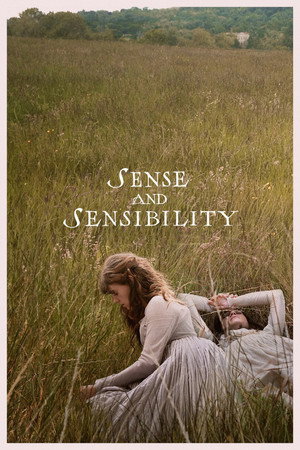

Sense and Sensibility sits precisely in the uncomfortable middle ground. The book’s mastery lies in Austen’s use of free indirect discourse, particularly when channeling Marianne Dashwood’s emotional volatility versus Elinor’s restrained pragmatism. The prose allows readers to inhabit two radically different emotional operating systems without ever breaking the third-person narrative frame. This is nearly impossible to replicate cinematically without resorting to clumsy POV shots or tonal whiplash. The book wins on psychological nuance and social critique. Yet, the screen version claims victory in romantic tension and production design. Cinema can make the glance across a ballroom, the accidental brush of hands, and the architecture of a Regency estate carry erotic and emotional weight that paragraphs of description sometimes flatten. The screen forces the internal social stakes into external action, which is necessary for visual engagement, even if it sacrifices some of Austen’s sharp, ironic internal commentary. For Sense and Sensibility, the book is the superior psychological study, while the screen is the superior romantic tragedy.
Adaptation Divergences
Adaptation is not translation; it is translation through betrayal. The upcoming Klara and the Sun film will inevitably depart from Ishiguro’s source material, and the most critical divergence will be the handling of the Sun itself. In the book, the Sun is a metaphorical and literal force, worshipped by Klara as a conscious entity that can heal humans. The narrative relies heavily on Klara’s unique, somewhat naive interpretation of photosynthesis and solar energy. A film adaptation cannot sustain a two-hour runtime on a protagonist’s philosophical musing about light. Expect the screen version to literalize the Sun’s presence through a distinct visual motif or perhaps a supporting character who embodies solar imagery, shifting the tone from intimate philosophical fable to more conventional sci-fi drama. This is a loss. It dilutes Ishiguro’s deliberate ambiguity and turns Klara’s beautiful misunderstanding into a plot device. The book’s power lies in its refusal to confirm whether the Sun is actually sentient or if Klara’s love is simply a projection of her programming. The film will likely choose a side, and in doing so, it sacrifices the narrative’s haunting uncertainty.


The divergences in Practical Magic 2 will be structural rather than tonal. Hoffman’s original novel is deeply rooted in a specific late-90s gothic atmosphere and a curse that spans generations with a slow, creeping dread. A 2026 sequel film will inevitably modernize the magic system to align with contemporary fantasy tropes, likely introducing faster-paced spell-casting and clearer rules of engagement. The book’s magic is messy, intuitive, and tied to domestic spaces; screen magic tends to be theatrical and combat-ready. Furthermore, the film will almost certainly expand the romantic subplots for screenability, giving secondary characters arcs that the book leaves deliberately unresolved to maintain focus on the sisters’ bond. This is a calculated improvement for a new audience. While it betrays Hoffman’s gothic pacing, it makes the material accessible to viewers who have never read the dense, atmospheric prose. The divergence trades literary slow-burn for cinematic momentum, which is a fair trade for a sequel.
Sense and Sensibility adaptations historically struggle with runtime constraints, forcing the excision of secondary characters and the compression of the timeline. The 2026 version will likely shift the narrative weight toward Elinor, aligning with modern feminist readings that critique Marianne’s emotional indulgence. The book treats both sisters with equal, albeit ironic, sympathy, exploring how both repression and excess lead to suffering. The screen version will likely moralize the story more explicitly, framing Elinor’s restraint as virtue and Marianne’s passion as a flaw to be corrected. This is a significant loss. Austen’s genius was her refusal to fully endorse either sister’s philosophy; the tension between them is the point. By moralizing the divergence, the film reduces a complex exploration of emotional management into a straightforward character arc, stripping the narrative of its original philosophical ambiguity. The book remains essential for understanding Austen’s balanced critique of female socialization.
Editor's Verdict
When navigating the 2026 adaptation landscape, audiences must prioritize source material that relies on internal consciousness, while embracing screen versions that excel at externalizing atmosphere and ensemble dynamics. For Klara and the Sun, read the book first. The film will inevitably flatten Ishiguro’s deliberate ambiguity into conventional sci-fi beats, making the novel the only complete experience of Klara’s cognitive awakening. For Practical Magic, the screen version of Practical Magic 2 will likely surpass the book’s pacing, turning domestic witchcraft into a vibrant, communal spectacle that benefits from modern performance chemistry and visual effects. For Sense and Sensibility, the book is non-negotiable; the screen will inevitably moralize Austen’s dual protagonists, losing the essential tension between restraint and passion that makes the novel a masterpiece of psychological balance.
Ratings: - Klara and the Sun (Book): 9/10 - Klara and the Sun (Film): 6/10 - Practical Magic (Book): 8/10 - Practical Magic 2 (Film): 8/10 - Sense and Sensibility (Book): 10/10 - Sense and Sensibility (Film): 7/10
Klara and the Sun earns a 6 for the screen adaptation because it costs three points for inevitably literalizing the Sun’s metaphorical presence, sacrificing the novel’s core ambiguity for visual clarity, though it gains back a point for likely strong production design and sound design that captures the novel's melancholic tone. The book’s 9 reflects its flawless execution of alien interiority, losing only a point for a third act that relies slightly too heavily on familiar emotional beats. Sense and Sensibility gets a perfect 10 for the book because Austen’s free indirect discourse remains the gold standard for psychological realism, while the film’s 7 acknowledges that cinematic romance can capture period atmosphere but cannot replicate the novel’s philosophical equilibrium between the sisters. The Practical Magic pair ties at 8 because the book’s atmospheric prose is perfectly matched by the screen’s superior ensemble chemistry and visual magic, making them complementary rather than competitive.
The 2026 Klara and the Sun adaptation will cut the entire subplot involving the Crayons and the black market organ trade, which is the only narrative thread that grounds Ishiguro’s philosophical musing in tangible, lived dystopian stakes, proving once again that Hollywood prioritizes emotional abstraction over systemic world-building.
FAQ
Should I read Klara and the Sun before watching the movie?
Yes. The novel's power lies in its first-person AI narration and philosophical ambiguity, which the film will likely simplify for visual clarity. Reading the book first preserves the intended emotional impact.
How does the Practical Magic 2 movie differ from the original book?
The film modernizes the magic system for faster pacing and expands romantic subplots for screenability, trading the novel's gothic, atmospheric slow-burn for cinematic momentum and ensemble spectacle.
Does the Sense and Sensibility remake change the ending?
The adaptation retains the original plot structure but shifts the moral weight toward Elinor, framing her restraint as clear virtue rather than maintaining Austen's original, balanced critique of both sisters' emotional extremes.