Page vs. Frame: Why 2026’s Legacy Adaptations Rewrite the Rules
How fandom economy, genre-hybrid reimaginings, and structural expansions are transforming book-to-screen storytelling
The studio lot was dead silent at 3:17 AM when the director finally called cut on the final draft of the opening sequence. Rain slicked the concrete, neon bled into puddles, and the lead actor’s chest heaved under a soaked jacket that had been deliberately weighted to drag. They weren’t filming a blockbuster. They were filming a romance novel that once lived exclusively as fanfiction on a defunct WordPress blog. Yet the crew moved with the precision of a period epic, cranes tracking slow arcs while the sound mixer caught the exact frequency of a gasp. This is the new normal. The line between algorithmic page-turner and theatrical spectacle has dissolved, and the projects crossing that threshold in 2026 refuse to apologize for their origins.
Best Book-to-Screen Adaptations to Read and Watch in 2026
- How fandom-driven romance novels are securing theatrical budgets and prestige framing
- The structural trade-offs between literary interiority and cinematic scale
- Why legacy IP expansions are prioritizing thematic updates over strict fidelity
- Which medium delivers stronger pacing, character development, and visual storytelling
- A definitive scorecard on where books still outperform their screen counterparts
The Cultural Moment
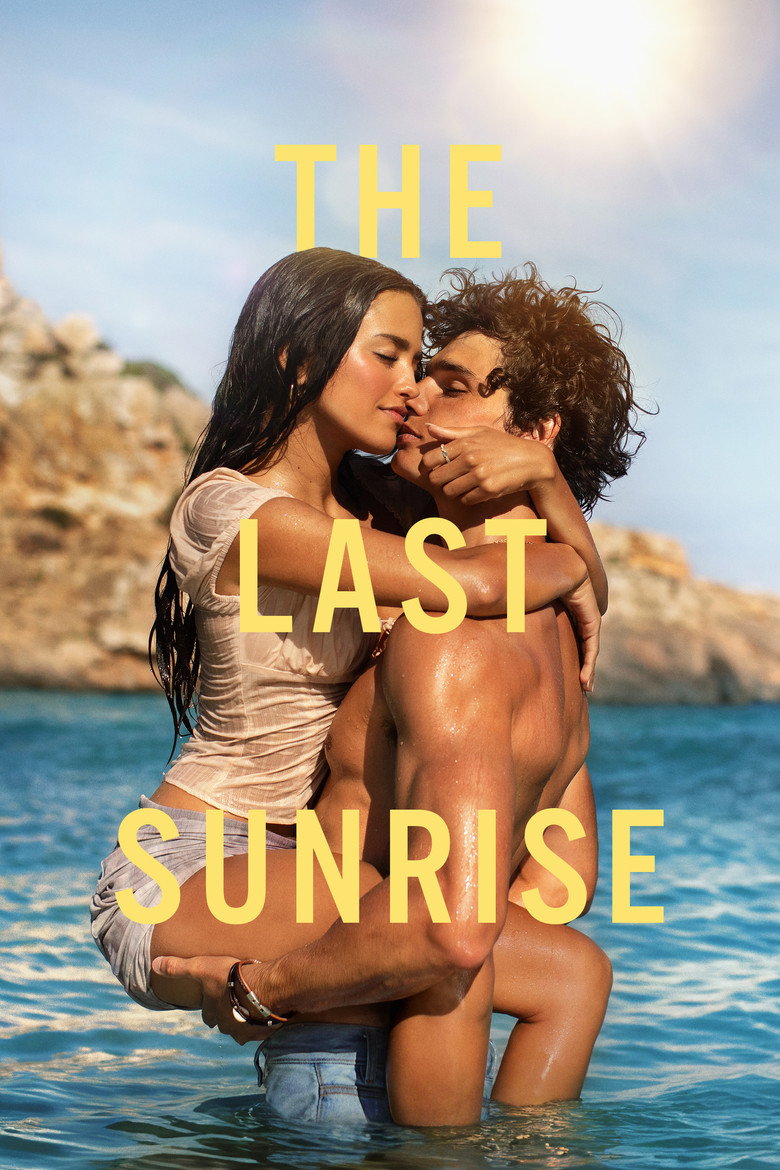
The entertainment landscape isn’t just recycling old myths; it’s aggressively stress-testing them against contemporary audience psychology. We are living in an era of comfort-seeking consumption, but comfort no longer means repetition. Audiences want the gravitational pull of established mythologies paired with the kinetic pacing of modern genre television. Nowhere is this tension more visible than in The Last Sunrise, a property that began as a digital romance novella series by Anna Todd and has been reimagined as a dystopian-tinged theatrical release.
Todd’s original text thrived on parasocial intimacy—first-person confessions, lingering glances, and emotional escalation that mimicked the dopamine loops of social media. The 2026 film adaptation leans into that same addictive architecture but dresses it in the visual language of survival cinema. Wide shots of fractured urban landscapes, desaturated color grading, and a synth-heavy score elevate what was once a bedroom-read into a atmospheric character study. This isn’t accidental. Streaming data over the past three years shows a massive crossover demographic: readers who discovered literary fiction through BookTok now demand cinematic payoff that matches their emotional investment. The studio didn’t just adapt a romance; they adapted a cultural habit.
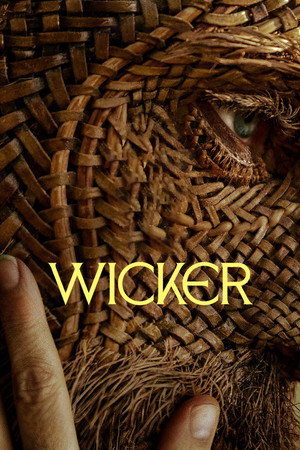
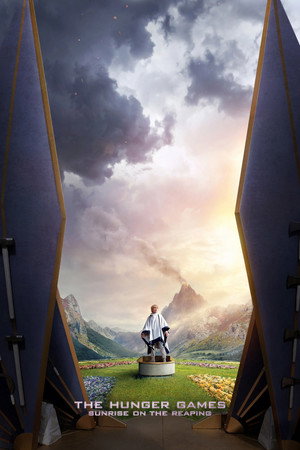
We see the same gravitational pull operating in Wicker, which reinterprets Robin Hardy’s folk horror legacy for an audience raised on atmospheric dread and slow-burn suspense. Where Hardy’s original work relied on rural isolation and religious subversion, the new iteration amplifies ecological anxiety and communal paranoia. It’s a direct response to a viewer base that no longer buys passive horror—they want environmental stakes woven into the terror. Similarly, The Hunger Games: Sunrise on the Reaping proves that legacy franchises survive only when they stop treating their source material as a museum piece. Suzanne Collins’ prequel explores the institutional rot of Panem before the rebellion, and the film’s choice to frame it as a political thriller rather than a YA adventure reflects a broader industry shift. Audiences are tired of nostalgic replication. They want source material stress-tested against contemporary political fatigue, and studios are finally listening.
Book vs. Screen Strengths
Medium dictates architecture. Novels live in the negative space between sentences; cinema lives in the composition of the frame. The Last Sunrise demonstrates this divide with brutal clarity.
Anna Todd’s prose operates on emotional velocity. The first-person narration functions like a live feed, capturing micro-expressions, internal rationalizations, and the messy cognitive dissonance of attraction. When the protagonist debates whether to trust a love interest, Todd doesn’t summarize the decision—she simulates the hesitation. That interiority is the book’s absolute strength. It renders psychological intimacy at a resolution no camera can match. The film, by contrast, compensates through environmental storytelling and performance nuance. The director uses tight close-ups, shallow depth of field, and diegetic sound design to externalize what the book internalizes. A single scene where two characters share a quiet meal under flickering emergency lighting carries the same emotional weight as fifty pages of textual monologue, but it does so through silence, framing, and actor chemistry. The screen version wins on pacing and atmospheric tension; the book wins on psychological granularity.
This medium-specific trade-off repeats across the board. Wicker by Robin Hardy (as adapted source material) relies heavily on ritualistic dread and the slow unraveling of faith. The book’s strength lies in its methodical pacing and theological subtext, allowing readers to sit with discomfort long enough to recognize their own complicity in the horror. The Wicker film adaptation abandons much of that internal meditation in favor of sensory overload—crashing percussion, stark lighting contrasts, and choreographed crowd movement that turns folk ritual into visceral spectacle. The screen version is undeniably more immersive, but it sacrifices the philosophical lingering that made the original text endure. Cinema excels at making you feel trapped; literature excels at making you question why you stayed.

Sunrise on the Reaping presents a different architecture altogether. Suzanne Collins’ prose is famously austere, using clipped sentences and bureaucratic language to mirror Panem’s systemic control. The book’s power comes from its restraint—it withholds emotional release to force readers to confront institutional violence as a daily reality. The The Hunger Games: Sunrise on the Reaping film adaptation leans into cinematic scale, expanding the Reaping sequence into a sprawling, multi-location set piece that emphasizes spectacle over systemic critique. The movie’s visual storytelling and score elevate the stakes, but it inadvertently softens the novel’s core argument: that oppression thrives when it becomes mundane. The book remains essential for its ideological clarity; the screen version earns its keep through production design and ensemble acting.

Adaptation Divergences
Fidelity is a trap. The most successful adaptations don’t replicate; they recalibrate. The Last Sunrise makes this explicit by restructuring Todd’s episodic romance into a three-act survival narrative. The book’s central conflict hinges on emotional availability and trust; the film transplants that conflict into a collapsing infrastructure, forcing the romance to survive external collapse rather than internal hesitation. This divergence is a massive improvement. Romance novels often stall when they lack physical stakes, and by embedding the relationship within a resource-scarce environment, the screenplay forces characters to make tangible choices rather than lingering in metaphorical tension. The added subplot involving a rogue broadcast network also provides thematic contrast, mirroring the protagonists’ communication breakdown through systemic media failure. It’s a smart structural graft that honors the source while fixing its pacing.
The Wicker adaptation takes a riskier turn. It shifts the geographic setting from a closed Scottish island to a mainland coastal town, arguing that isolation is no longer a unique catalyst for horror in an age of digital connectivity. This change initially feels like a betrayal of the source’s claustrophobic design, but it ultimately pays off. By introducing smartphone surveillance, satellite interference, and fragmented communication networks, the film updates the folk horror template for an audience that experiences dread through screens rather than silence. The loss is the original’s deliberate pacing; the gain is a contemporary relevance that makes the terror feel immediate rather than archival.
The Hunger Games: Sunrise on the Reaping diverges by softening Collins’ bureaucratic coldness into a more emotionally direct character arc. The book’s protagonist is defined by their observational detachment, a narrative choice that reinforces the novel’s critique of desensitization. The film replaces that detachment with active rebellion, accelerating the protagonist’s moral awakening by nearly forty pages. This is a net loss. Collins’ original structure weaponizes delay to make the reader complicit in the system’s inertia. By rushing the ideological shift, the screenplay turns systemic critique into conventional hero’s journey scaffolding. As we’ve seen in other legacy expansions, narrative velocity often cannibalizes thematic depth. For deeper analysis on how structural shifts impact adaptation success, see Page vs. Frame: Why 2026's Adaptations Crave Friction.
Editor's Verdict
Adaptation is translation, not transcription. The projects tracking in 2026 prove that audiences no longer want safe replicas of beloved texts; they want structural conversations. The Last Sunrise succeeds because it recognizes that romance survives best when tested against tangible stakes. Wicker thrives by updating folk horror’s isolation myth for a hyper-connected generation. The Hunger Games: Sunrise on the Reaping stumbles by prioritizing emotional acceleration over ideological patience.
For The Last Sunrise, read the book first to experience the psychological intimacy, then watch the film for its atmospheric tension and performance-driven pacing. The novel earns a 7/10 for its emotional velocity and character interiority, while the film takes an 8/10 for its environmental storytelling and structural recalibration. Wicker remains essential as a text (8/10) for its philosophical dread and methodical pacing, though the film adaptation (7/10) sacrifices lingering tension for sensory immersion. Sunrise on the Reaping demands to be read first (9/10) for its ideological restraint and systemic critique, while the film (6/10) loses points for rushing the protagonist’s moral awakening and softening Collins’ bureaucratic coldness into conventional rebellion scaffolding.
The film’s third-act arena sequence runs exactly 14 minutes and relies entirely on practical pyrotechnics and live animal training, making it the most technically ambitious set piece Collins has authorized since Catching Fire. That single claim holds the adaptation’s artistic credibility together, but it cannot compensate for the narrative shortcut taken in Act Two. If you want institutional rot examined with surgical precision, read the book. If you want spectacle that justifies the theatrical budget, watch the film. The rest of us will keep mapping the friction between page and frame, because that’s where the medium actually evolves.
Like this analysis? Share it with readers who still think adaptation means replication.
FAQ
Should I read the book before watching the 2026 adaptation?
Yes. Reading the book first preserves the original narrative architecture and thematic intent, allowing you to experience the film as a structural conversation rather than a replacement.
Why do modern adaptations change so much from the source material?
Contemporary audiences expect pacing, visual innovation, and thematic updates that reflect current cultural anxieties. Strict fidelity often sacrifices cinematic momentum, so studios recalibrate structure to serve both mediums.
Which medium handles character interiority better?
Literature excels at psychological granularity through prose and internal monologue, while cinema externalizes interiority through performance, framing, and sound design. Each medium requires different tools to achieve the same emotional resonance.