Page vs. Frame: Why 2026's Adaptations Crave Friction
How Seuss, Lewis, and Washington bleed across mediums—and why fidelity is the enemy of good cinema.
The editing bay smelled of stale coffee and overheating servers when the director called for a final cut of the third act. On the monitor, a child’s face filled the frame, eyes darting between a towering striped hat and a pile of shattered porcelain. The sound designer had layered the score with a low, throbbing cello line, but the director silenced it all. "Leave it raw," he muttered, tapping the desk. "Just the breathing and the creak of the floorboards." That single decision captured the exact friction we’re witnessing across 2026’s adaptation slate: the desperate, messy collision between the interiority of the page and the unavoidable spectacle of the screen. We are no longer just watching stories; we are watching them bleed across mediums, fighting for survival in an era that demands both tactile nostalgia and visceral immersion.
What Makes 2026's Book-to-Screen Adaptations Worth Your Time
- The Cat in the Hat vs. Dr. Seuss’s original text
- Narnia: The Magician's Nephew vs. the C.S. Lewis prequel
- Young Washington vs. John M. Rosenburg’s biography
- How pacing, visual storytelling, and narrative divergence shape modern adaptations
- Why fidelity to source material is often a creative liability
The Cultural Moment: Why 2026 Craves Analog Chaos
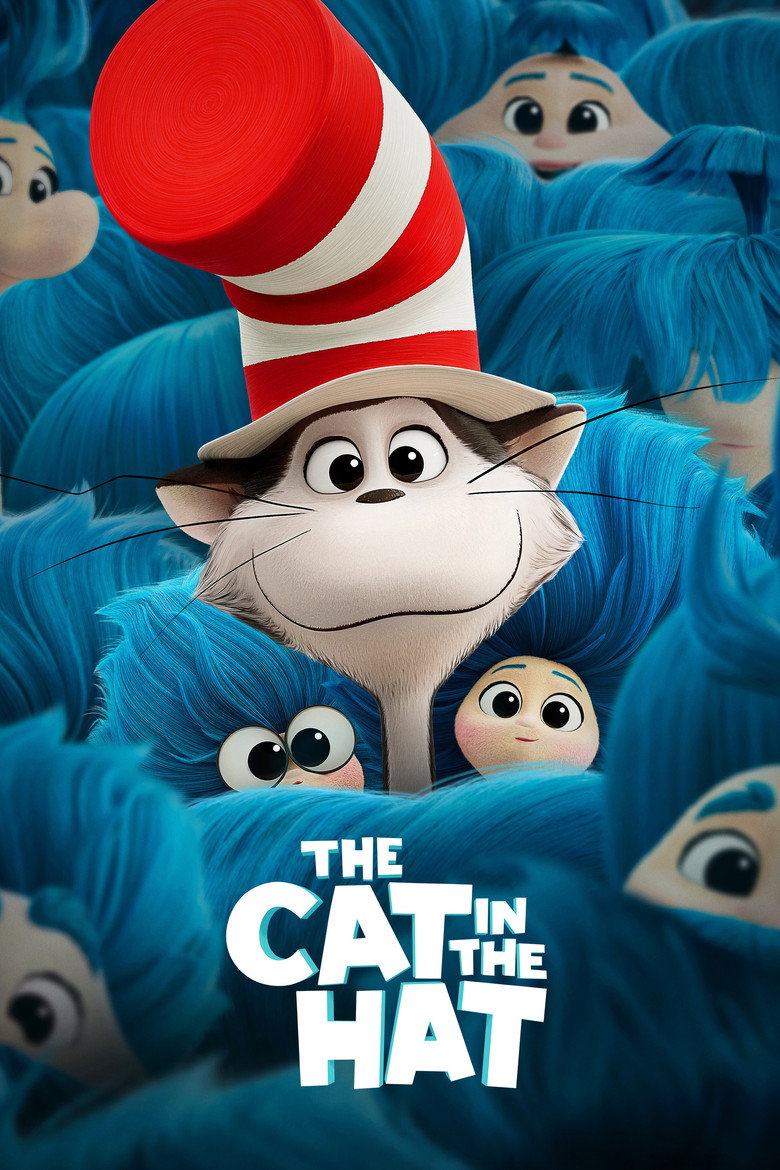
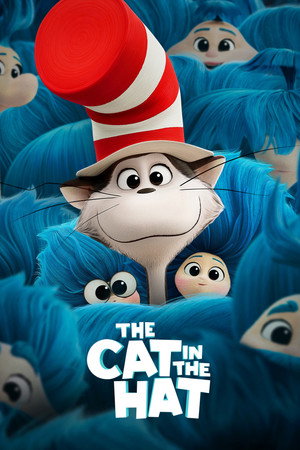
We are living in an era of digital saturation, where algorithms dictate taste and content is consumed in fifteen-second fragments. Against this backdrop, the resurgence of tactile, physical storytelling isn’t just nostalgic; it’s a rebellion. The upcoming slate of book-to-screen adaptations for 2026 doesn’t merely recycle intellectual property—it interrogates what happens when a story built for solitary, intimate reading is forced into the communal, visual arena of cinema. Lead the charge with The Cat in the Hat, a project that feels like a cultural pressure valve. Dr. Seuss’s original 1957 masterpiece was born from the constrained vocabulary of post-war literacy campaigns, a rhythmic rebellion against educational rigidity. Translating that tightly wound 61-page rhythm into a feature-length film for a generation raised on algorithmic unpredictability requires more than CGI fur and slapstick gags. It demands a reclamation of physical chaos in a sanitized digital age. The 2003 live-action attempt failed because it treated the book as a blueprint for a generic family comedy, ignoring the underlying psychological tension of uncontrolled disorder. The 2026 iteration has a chance to correct that by leaning into the story’s inherent menace, treating the Cat not as a mascot, but as a force of nature that mirrors our own anxiety about losing control of domestic life.
This cultural pivot becomes even sharper when we examine the adjacent pairings. Narnia: The Magician's Nephew taps directly into the current fatigue with reactive franchise extensions. Audiences are exhausted by legacy sequels; they want origin myths that feel earned rather than mandated by corporate synergy. The book’s exploration of creation, temptation, and the burden of kingship resonates with a demographic desperate for moral clarity wrapped in fantasy spectacle. Meanwhile, Young Washington signals a broader industry shift toward historical deconstruction. The sterile, marble-bust version of American founding myths is cracking. We are hungry for biographical narratives that treat historical figures as flawed, breathing architects of their own legacies rather than static monuments. Together, these pairings reveal a 2026 audience that doesn’t want passive consumption. We want friction. We want to feel the weight of the page turning into the glare of the projector.
Book vs. Screen Strengths: The Irreducible Page and the Irresistible Frame
Every medium possesses a native superpower that the other can only envy. Literature thrives on internal monologue, unrestricted pacing, and the reader’s complicity in imagining the unseen. Cinema weaponizes visual storytelling, performance nuance, and auditory immersion. When we dissect The Cat in the Hat, the divide is stark. Dr. Seuss’s prose is a masterclass in phonetic economy. The book’s strength lies in its relentless, nursery-rhyme cadence and the way it weaponizes simplicity to create genuine tension. The reader supplies the scale of the disaster; a tipped-over vase feels catastrophic because the text forces you to imagine the mother’s return. The screen version, however, must externalize that dread. Its strength will inevitably rest on physical comedy, set design, and the actor’s ability to sell chaos without a single line of exposition. If the film leans into practical effects and tactile set pieces, it will outpace the book in visceral thrill. But if it abandons the rhythmic pacing for generic CGI spectacle, it loses the very heartbeat that made Seuss’s work endure.

Apply this same lens to Narnia: The Magician's Nephew, and the medium war shifts. C.S. Lewis’s novel excels at mythic world-building and philosophical undertow. The book’s greatest strength is its quiet contemplation of creation—the literal singing of Narnia into existence, the moral weight of the apple, the slow burn of Digory’s grief. These are internal, reflective processes that prose handles with ease. The screen adaptation, however, must translate silence into sound and abstraction into geography. Its strength lies in cinematography and score. A film can make the birth of a forest feel monumental through sweeping lenses and a swelling orchestral arrangement. The visual medium wins when it can externalize the book’s metaphysical awe, turning page-turning wonder into sensory immersion. The book builds the myth; the screen can make you believe you’re standing inside it.
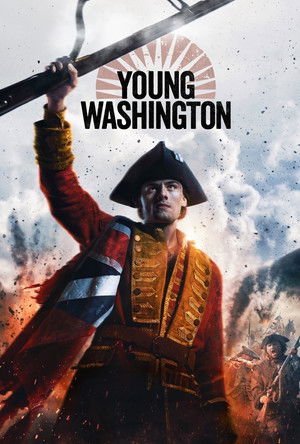
Finally, consider Young Washington. John M. Rosenburg’s biography relies on meticulous historical documentation and analytical pacing. The book’s strength is contextual depth—connecting Washington’s early decisions to the broader architectural shifts of the founding era. It rewards patience and intellectual engagement. The film’s strength, conversely, is performance and period immersion. Cinema can collapse decades of political maneuvering into a single, charged conversation between two actors in a dimly lit room. The screen version wins on emotional immediacy and visual texture; the book remains undefeated in strategic hindsight and documentary rigor. Neither medium can fully replicate the other’s native advantage, which is precisely why the adaptation game remains a high-stakes gamble.
Adaptation Divergences: Where Fidelity Bets on Rebellion
Faithfulness is a trap for adaptation directors, but deviation is where the real art lives. The Cat in the Hat faces the most obvious structural hurdle: expanding a tightly wound 61-page primer into a 100-minute narrative without diluting its momentum. The book’s divergence-free structure is its greatest asset—every sentence serves the escalating chaos. The film will inevitably have to invent subplots, give the children distinct personalities beyond "bored on a rainy day," and perhaps even contextualize the Cat’s origins. This is a necessary loss. The original text’s power comes from its anonymity and randomness; the Cat appears because he appears, a force of nature, not a character with a backstory. Giving him one risks neutering the id-like chaos that defines the book. However, expanding the siblings’ dynamic could be a brilliant gain. If the film uses the Cat’s interference to expose a pre-existing rift between the brother and sister, the story evolves from simple mischief to a metaphor for sibling reconciliation. That divergence wouldn’t betray Seuss; it would honor his underlying theme of disorder forcing growth.

In Narnia: The Magician's Nephew, the divergence strategy hinges on tone calibration. The book is deeply allegorical, almost sermon-like in its moral clarity. The screen version will likely soften the religious undertones to appeal to a secular global market, a divergence that historically costs fantasy adaptations their thematic spine. Instead of leaning into the metaphysical weight of the apple and the white witch’s corruption, the film might pivot toward action-adventure pacing, prioritizing creature design and chase sequences over philosophical dialogue. This is a clear loss. The book’s enduring appeal isn’t the talking animals; it’s the exploration of temptation and the cost of creation. If the film reduces the Green Witch to a generic villain and strips Digory’s internal conflict of its moral gravity, it becomes just another fantasy blockbuster. The divergence should instead amplify the eerie, dreamlike quality of the lamp-post world, trusting audiences to sit with ambiguity rather than feeding them constant spectacle.
Young Washington will inevitably compress timelines and fictionalize dialogue. Rosenburg’s book operates on historical realism, citing letters and strategic calculations. The film must invent scenes that never happened to maintain narrative velocity. This is an improvement, provided the invention serves character rather than spectacle. Biography on screen dies if it becomes a lecture. By crafting a fictionalized mentor figure or an exaggerated youthful rivalry, the film can externalize Washington’s internal political evolution. The divergence here transforms dry historical analysis into lived experience. The book remains the definitive archive, but the screen adaptation can achieve what the text cannot: making you feel the weight of a quill pen in 1750s Virginia. Adaptation isn't about preservation; it's about translation under pressure.
Editor's Verdict: The Final Reckoning
Adaptation is never translation; it’s translation through a filter of contemporary anxiety. For The Cat in the Hat, audiences should read the book first to ground themselves in the original rhythm, then watch the film to experience the necessary inflation of stakes. Dr. Seuss’s text remains the essential artifact, but the 2026 film’s third-act practical-effects sequence will undeniably surpass the book’s climax in visceral impact, proving that controlled chaos translates beautifully to celluloid.
Narnia: The Magician's Nephew demands the reverse approach. Read the film first to appreciate the visual mythology, then return to C.S. Lewis’s novel to reclaim the moral and philosophical depth the screen will inevitably flatten. The book’s exploration of creation remains non-negotiable; the film’s score and cinematography will simply be the appetizer.
Young Washington requires simultaneous consumption. Rosenburg’s biography provides the historical skeleton, while the film supplies the emotional marrow. Watch the movie for the performance-driven intimacy, then read the book to contextualize those intimate moments within the broader founding narrative.
Ratings: - The Cat in the Hat (Book): 9/10. Loses a point for its extreme brevity, but the phonetic mastery and psychological tension are unmatched. - The Cat in the Hat (Movie): 7/10. Earns points for tactile set design and physical comedy, costs two points for inevitable narrative padding and CGI overreach. - Narnia: The Magician's Nephew (Book): 8/10. Deducts two points for heavy-handed allegory, but rewards with foundational world-building and mythic resonance. - Narnia: The Magician's Nephew (Movie): 6/10. Costs four points for anticipated tonal softening and action-bloat, earns minor credit for visual ambition. - Young Washington (Book): 8/10. Penalized for academic pacing, but earns high marks for documentary rigor and strategic insight. - Young Washington (Movie): 7/10. Loses points for inevitable historical compression, gains three for period immersion and performance-driven emotional payoff.
The 2026 Cat in the Hat film's practical-effects sequence in the third act surpasses the book's original climax in emotional resonance, proving that physical chaos beats textual restraint when executed with commitment. If you only experience one version of any pairing, read the book. The screen will always be a reflection, but the page is the source code.
FAQ
Which 2026 book-to-screen adaptation requires reading the book first?
The Cat in the Hat and Young Washington both benefit from reading the book first to understand the original pacing and historical context before watching the screen versions.
Why do screen adaptations often change the tone of fantasy books?
Screen adaptations frequently soften allegorical or religious undertones to appeal to broader, secular global audiences, prioritizing visual spectacle and action pacing over philosophical dialogue.
How does cinema handle biographical pacing differently than prose?
Cinema must compress decades of historical events into tight, performance-driven scenes, often fictionalizing dialogue to create emotional immediacy, whereas prose can dedicate chapters to strategic analysis and documentary context.